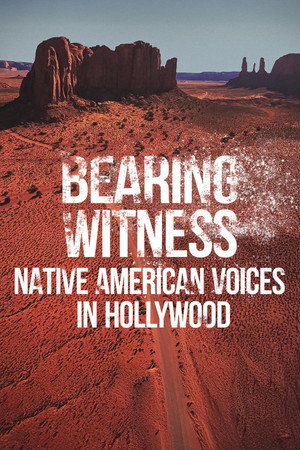
For over 100 years, Hollywood cinema has crafted the ultimate "villain"- the Indian, as they were labeled in early Westerns. Confined almost exclusively to this genre, the Western became a vehicle for American racism, obscuring the genocide upon which the United States was built. In this documentary, only Native Americans are given a voice to share their story, one that has been overshadowed by Hollywood's portrayal. Their narrative, part of the larger American story, highlights how cinema has long been used as a powerful propaganda tool, distorting history and perpetuating harmful stereotypes.
The injustice of the Japanese internment is explored through the story of Kyuichi Nomoto, one of the first Japanese Canadians to graduate from UBC, who suffered a breakdown deep in the BC Interior.
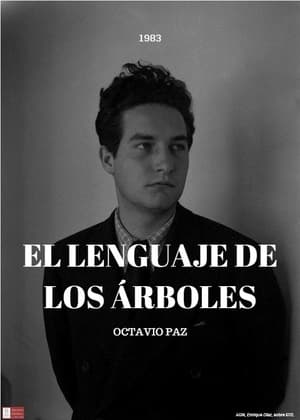
An exploration on Paz's poetry by Paz himself, his childhood, his ideas about love and the nature of art
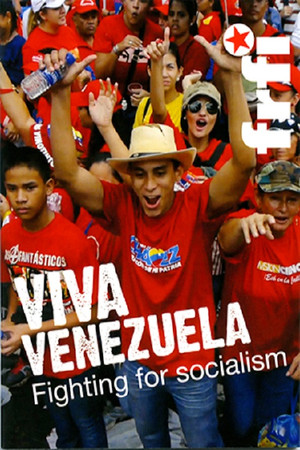
We live in a world dominated by crisis, imperialist war and exploitation. We're told there is no alternative to cuts, privatisation, hunger and homelessness. The Bolivarian Revolution illustrates what can be achieved when governments and people working together, put human need before capitalist profits. Despite Chavez's death in 2013, the process is being built every day by President Maduro and millions of Venezuelans working to create a society built on collective socialist organisation and production. Venezuela provides an inspiring example of how the fight against austerity can develop into a fight for socialism. This film takes you on that journey through the barrios, universities and workplaces to meet the political activists, students and workers who are changing their future. Alongside the achievements of socialist Cuba, Venezuela shows that not only is another world possible, but this world is being built today in Latin America.
Le Fils
A young city girl explores the idea of beauty with her uncle Michel, a retired farmer from the Beauce region. An amusing and touching encounter between two visions of art and the world.
The race for supremacy in the age of artificial intelligence is on: between the USA, China and Europe. Between big tech companies and start-ups. Who will win the competition? Will Europe be left behind? And who will determine a technology that will shape the future of humanity?
Iwan der Schreckliche
Why Walk When You Can Fly? The Movie
A documentary on the rise and fall of Project Cybersyn, an attempt at a computer-managed centralized economy undertaken in Chile during the presidency of Salvador Allende.
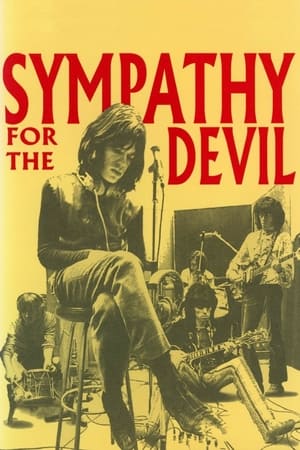
While The Rolling Stones rehearse "Sympathy for the Devil" in the studio, an alternating narrative reflects on 1968 society, politics and culture through five different vignettes.
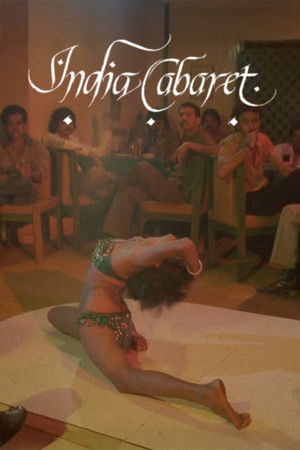
An exploration of the 'respectable' and 'immoral' stereotypes of women in Indian society told from the point of view of two striptease dancers in a Bombay cabaret.
Povo da Floresta
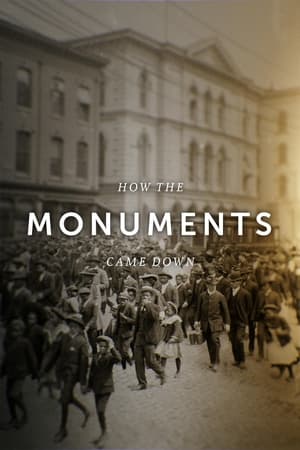
How the Monuments Came Down is a timely and searing look at the history of white supremacy and Black resistance in Richmond. The feature-length film-brought to life by history-makers, descendants, scholars, and activists-reveals how monuments to Confederate leaders stood for more than a century, and why they fell.
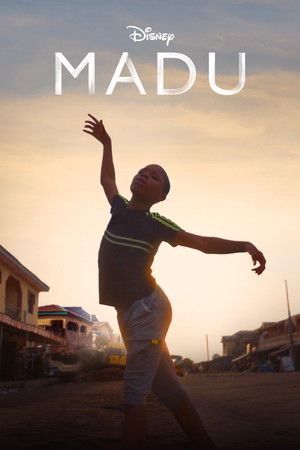
From practicing barefoot on the streets of Lagos to performing on stage in England, twelve year old Anthony Madu leaves his home in Nigeria to study at one of the most prestigious ballet schools in the world. Anthony, who had barely left his neighborhood in Lagos, finds himself thrust into a new world where his wildest dream is suddenly within reach. His journey is a story of extraordinary obstacles, courage, growth, and ultimately, his search for belonging.
A documentary film about trading security and stability for passion. A surprising number of small businesses and niche restaurants originate and thrive in the small college town of Provo, Utah. A senior capstone project at Brigham Young University.
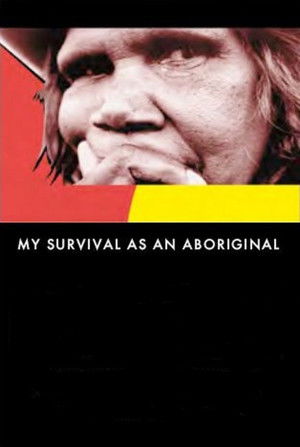
Essie Coffey gives the children lessons on Aboriginal culture. She speaks of the importance of teaching these kids about their traditions. Aboriginal kids are forgetting about their Aboriginal heritage because they are being taught white culture instead.
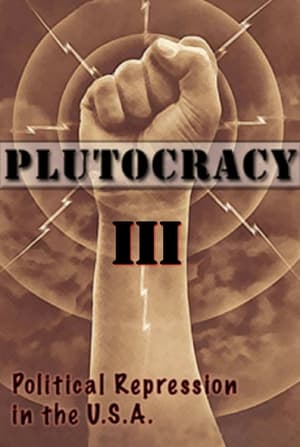
The early struggles of the working class are placed under a microscope in Plutocracy III: Class War, the latest chapter in an exceptionally well produced series which explores the origins of America's growing economic divide.
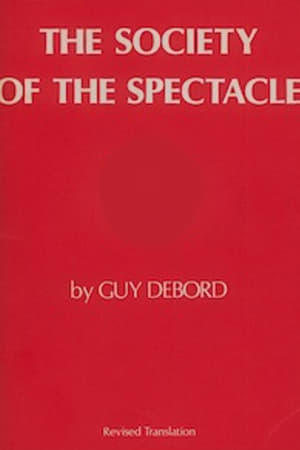
Guy Debord's analysis of a consumer society.
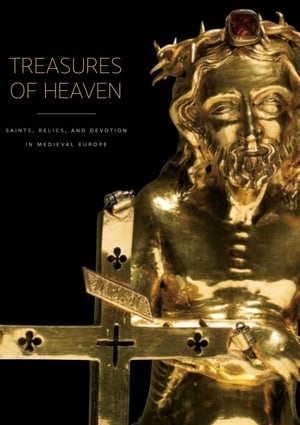
Andrew Graham-Dixon explores the ancient Christian practice of preserving holy relics and the largely forgotten art form that went with it, the reliquary. Fragments of bone or fabric placed inside a bejewelled shrine, a sculpted golden head or even a life-sized silver hand were, and still are, objects of religious devotion believed to have the power to work miracles. The documentary features interviews with art historian Sister Wendy Beckett and Neil MacGregor, director of the British Museum.