Projektionen der Sehnsucht
VIVA ÁGUA is a meditation on the philosophical work entitled ÁGUA VIVA written by Clarice Lispector in 1973. The film reflects on Lispector’s interior experimental monologue on the “instant-now” of time, the discomforts of language which are “beyond thought” and the harmonious dissonant reminders and remainders of that “sometime what is seen is ineffable.”
‘Death Sounds a Quiet Gong’ was originally screened at Village Works (12 St. Marks Place, New York City, NY) on October 24, 2025. The poem was first published in the inaugural release of biannual literary journal the Tough Poets Review.
On June 14, 1977, the eve of the first democratic elections after Franco's regime, Llorenç Soler and his crew go out into the street and ask passers-by which party they are going to vote for.
White Sands is a 3 screen projection 16mm film installation which reflects on the visible and invisible manifestations of the nuclear fuel chain on the land, air, water and people of New Mexico.
If Not is a meditation on love, inspired by If Not, Winter by Sappho, translated by Anne Carson. Filmed in Ephesus and Brooklyn.
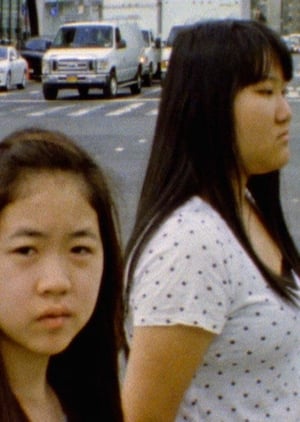
Dear features the interior world of two teenage Chinese girls in New York City, whose diary entries reveal their concerns related to growing up as immigrants amidst the ever-gentrifying landscape of Chinatown.
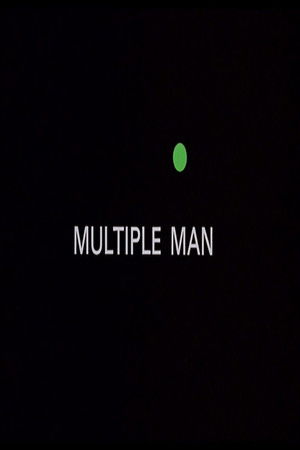
A many-faced view of humanity, of global man in all his forms and interests. Produced originally in 70 mm (with stereophonic sound) for showing at Man and His World, the Montréal fair that succeeded Expo 67, this film employs the multi-image technique. People of all places, origins, cultures, secular and religious, are here united and seen side by side, creating an impressive, inspiring and challenging portrait. The film's title appears in seven languages. Film without words.
Burford met Breer in February 1992 and filmed his actions. Breer manipulates some of his mutoscopes: he leafs through some cards of his film in the making, Sparkill Ave! A dome-shaped sculpture slowly moves across the space.
The town Minot is home to a U.S. Air Force base that guards 150 nuclear missiles buried in northern North Dakota. The weapons of mass destruction placed there 50 years ago are still targeted at Russia. Minot, North Dakota portrays an American landscape where people live with nuclear bombs in their backyard.
Alex and José, is a 16mm single channel projection that explores gender, movement and form.
A silent film portraying winter across three continents.
The PSA Project is a series of 15 videos that speak out against the U.S. occupation of Iraq and the act of war.
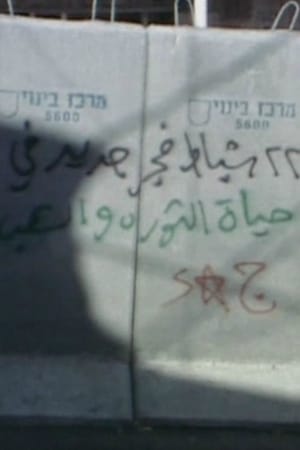
Still Life gazes unflinchingly at the violence of war, observing the eerie architecture of the West Bank and Gaza Strip collapsed under Israeli occupation. This portrait provides brutal witness to how government sanctioned destruction metes upon structures of home and State. Unlike the mediated images of current warfare, Still Life examines the effects of the destruction of Occupation through the details of cinematic landscapes and its inherent inhabitants. In its relentless questioning reaffirmed with a unique and unremitting soundtrack by composer Zeena Parkins, Still Life forces us to focus on details of devastation.
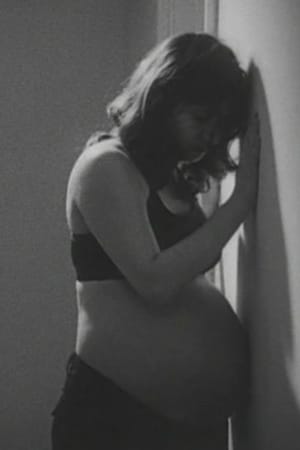
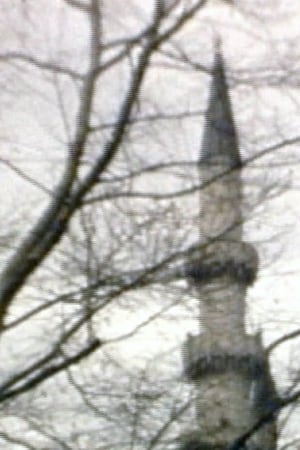
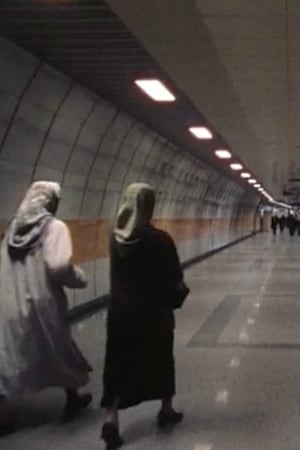
A sparing and minimal travelogue of Istanbul. A foreigner meditates on the unraveling of a relationship while moving from hotel room to hotel room. In a city simultaneously devoted to Islam and secular nationalism, she finds refuge in the frailty and severity of the rituals of devotion.
A glimpse into a refreshingly different sex education class in the Netherlands.
An intimate portrait of a couple raising their child gender neutral.
As we run, the layers of responsibility and identity we have gathered in our lives, the father, mother, lawyer, teacher, Manchester United-supporter labels, all fall away, leaving us with the raw human being underneath. With nothing but our own two legs moving us, we begin to get a vague, tingling sense of who, or what, we really are.
Short film on the mating behaviour of donkeys
“Past Perfect” is a spirited meditation on the elusiveness and inaccessibility of (Jewish) history as conveyed through sightseeing tours of “Jewish” Poland, a grandmother’s recollection of life in America during War II, and memoir-like “last moments” of a great aunt believed to have died in Treblinka. Shot almost entirely in contemporary Poland, “Past Perfect” lyrically portrays the relentless yet ultimately futile attempt to resuscitate a history literally gone up in smoke.