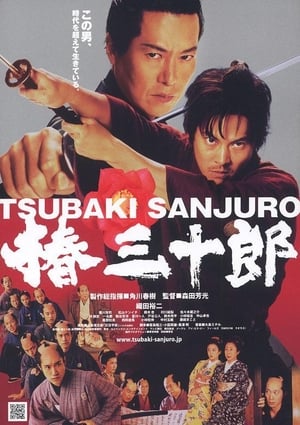
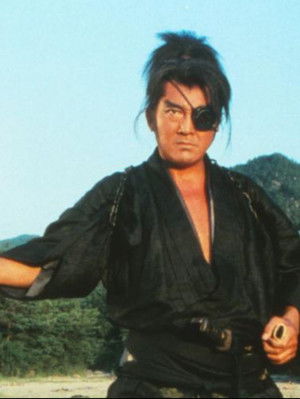
"Tsubaki Sanjuro" is a remake of Sanjuro (1962) by Akira Kurosawa. Sanjuro returns with sharper, faster, subtler sword, talking and perception. He uses them to settle the trouble and uses them good!
The first installment of this thrilling period drama special starring Matsukata Hiroki. Jubei fights to the death to protect the targeted Yagyu martial arts register. Set in the Edo period, shortly after Iemitsu became the third shogun, rumors spread within the shogunate that the register of the Yagyu family, the shogun's instructors, contained a secret that could threaten the very foundations of the shogunate. Jubei, the eldest son of the Yagyu family, asks his father, Tajima-no-kami, about the secret, but he remains silent and refuses to reveal anything. Meanwhile, Jubei, who is repeatedly engaged in battles with a mysterious ninja group for the register, learns an unexpected truth...
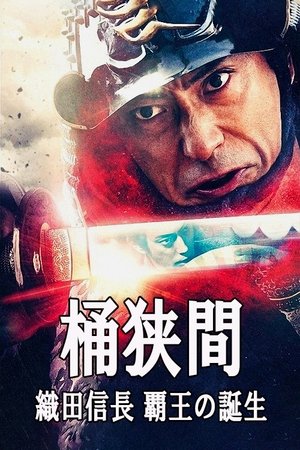
Drama set in the historical Warring States Era of Japan. Tokaido name Imagawa Yoshimoto personally led his army to invade Owari Province territory, now in Aichi Prefecture Nagoya City area, was the leader Nobunaga of this surprising burst of death. After the war, the Imagawa clan who originally dominated the Tokaido region fell away, and the victorious Oda Nobunaga quickly expanded his power in Central Japan and the Kinki region, laying the foundation for his future control of the central government of Japan.
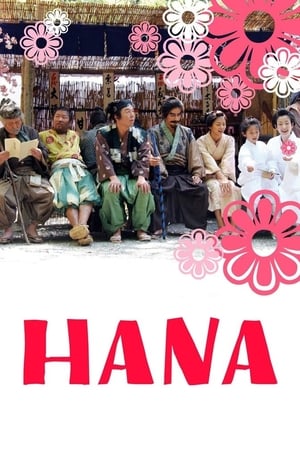
A samurai's path leads him to a young waitress whose hometown was destroyed by a dragon. He doesn't want any trouble — but it finds them anyway.
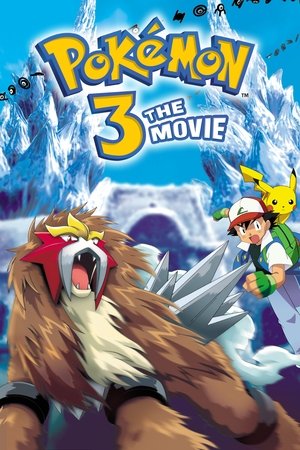
When the sadness of her father's disappearance gets to Molly Hale, she unknowingly uses the Unown to create her own dream world along with Entei, who she believes to be her father. When Entei kidnaps Ash's mother, Ash — alongside Misty and Brock — invade the mansion looking for his mom and trying to stop the mysteries of Molly's Dream World and Entei!
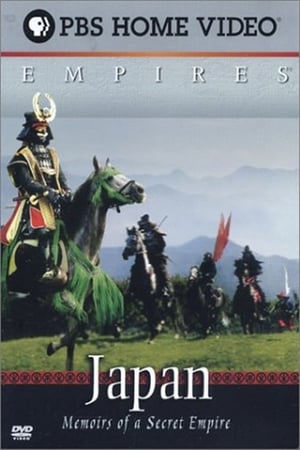
Japan blossomed into its Renaissance at approximately the same time as Europe. Unlike the West, it flourished not through conquest and exploration, but by fierce and defiant isolation. And the man at the heart of this empire was Tokugawa Ieyasu, a warlord who ruled with absolute control. This period is explored through myriad voices-- the Shogun, the Samurai, the Geisha, the poet, the peasant and the Westerner who glimpsed into this secret world.
In a poor district of Edo lives a young samurai named Soza. He has been sent by his clan to avenge the death of his father. He isn't an accomplished swordsman however, and he prefers sharing the life of the residents, teaching the kids how to write etc. When he finally finds the man he is looking for, he will have to decide whether he follows the way of the samurai or chooses peace and reconciliation.
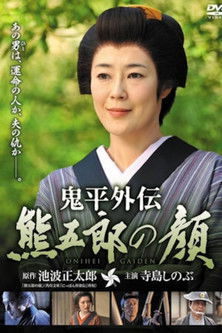
In pursuit of the notorious thief “Subashiri no Kumagoro,” the Arson and Theft Investigation Squad corners him. Seizo, who has been actively working as their agent is killed by Kumagoro. Amidst the chaos, Kumagoro manages to escape from the squad. Four years later, Seizo’s widow, Onobu, is raising her young son, Yusomatsu, single-handedly while running a small tea shop. One day, she helps a traveling merchant named Shintaro, who collapses from a sudden illness in front of her shop. The two soon fall in love and promise to start a family together. Shintaro leaves on a business trip and promises to return in a few days. Right after his departure, Onobu is shocked to see a wanted poster delivered by the Arson and Theft Investigation Squad… Kumagoro’s face on the poster is the spitting image of Shintaro.
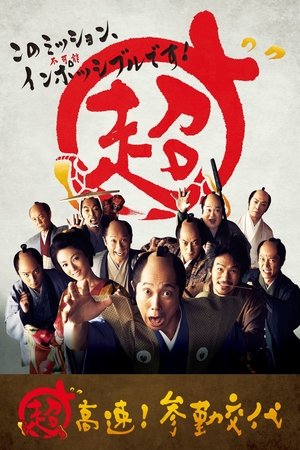
During the reign of the eighth shogun of the Tokugawa shogunate, the Yunagaya Domain in the Tohoku region is a small han. But at the han, there is a gold mine. Suddenly, Masaatsu Naito of Yunagaya Domain receives an order to perform Sankin-kotai within 5 days. Sankin-kotai is a custom that requires the daimyo to visit the shogun in Edo. Unfortunately, the time needed to visit the shogun in Edo for Masaatsu Naito is 8 days. Masaatsu Naito also learns he received the order because a high ranking government official wants the gold mine. Also, the expense for Sankin-kotai is high and the Yunagaya Domain is such a small han that it seems impossible to complete. Nevertheless, Masaatsu Naito begins an unexpected operation to complete Sankin-kotai in 5 days.
In the turbulent last days of the Edo period, Kawai Tsugunosuke, a Japanese samurai serving the Makino clan of Nagaoka, dreamt of independence from the restraints of vassalship. Despite his progressive views and his desire for his estate to remain neutral during the Boshin Civil War, he was bound by loyalty and duty to the clan and was compelled to choose sides.
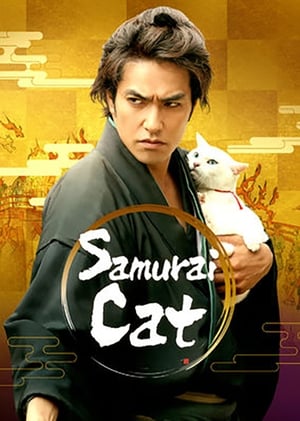
The ever versatile Kazuki Kitamura stars as masterless samurai Kyutaro Madarame, a feared swordsman who has fallen on hard times in old Edo. Caught between two warring gangs in an epic battle of cat lovers and dog lovers, he begrudgingly accepts the canine faction's offer to assassinate the opposite leader's beloved pet: an adorable white cat. Yet upon raising his lethal sword, he cannot bring himself to go through with the act, and the cat melts his ronin heart. But before finding peace as a newly minted cat person, the still fearsome Madarame will have to take on both gangs in a classic samurai street brawl.
Kanichiro Yoshimura is a Samurai and Family man who can no longer support his wife and children on the the low pay he receives from his small town clan, he is forced by the love for his family to leave for the city in search of higher pay to support them.
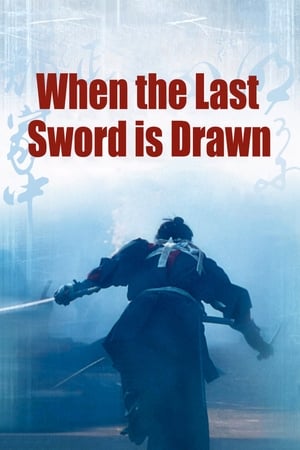
Down-on-his-luck veteran Tsugumo Hanshirō enters the courtyard of the prosperous House of Iyi. Unemployed, and with no family, he hopes to find a place to commit seppuku—and a worthy second to deliver the coup de grâce in his suicide ritual. The senior counselor for the Iyi clan questions the ronin’s resolve and integrity, suspecting Hanshirō of seeking charity rather than an honorable end. What follows is a pair of interlocking stories which lay bare the difference between honor and respect, and promises to examine the legendary foundations of the Samurai code.
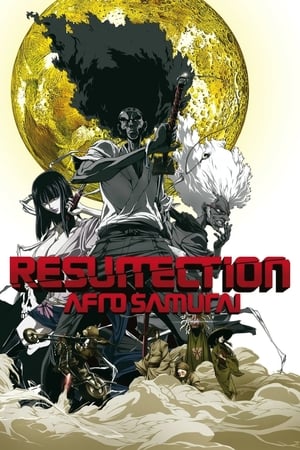
Afro Samurai avenged his father and found a life of peace. But the legendary master is forced back into the game by a beautiful and deadly woman from his past. The sparks of violence dropped along Afro’s bloody path now burn out of control – and nowhere are the flames of hatred more intense than in the eyes of Sio.
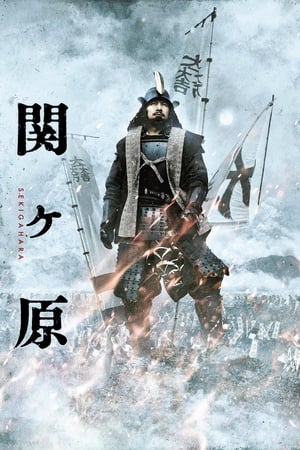
The background to and depiction of a watershed battle in Japanese history, at Sekigahara in 1600, when Tokugawa Ieyasu's Army of the East defeated the Army of the West of Ishida Mitsunari. The story includes the intrigues and shifting loyalties of the various retainers, family members, and samurai.
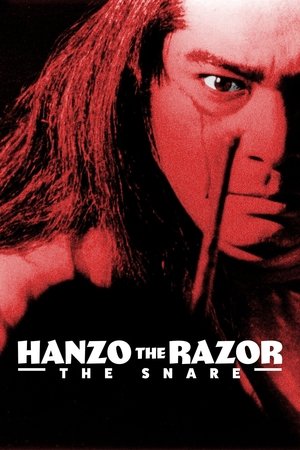
Against the backdrop of the Edo treasury devaluing currency and driving many into poverty, Hanzo Itami enforces the law without regard to status. He shows inadequate respect to the treasurer, who wants him dead.
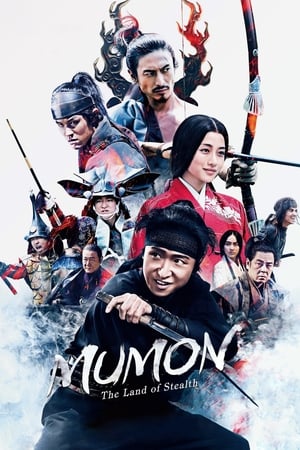
Raised suckling poison arrows among the sparring Iga ninja factions, Mumon is a carefree 16th-century mercenary. When the ninja council makes a power play to defeat the young Nobukatsu Oda struggling to step into his father’s warlord shoes as they expand rule across the country, Mumon jumps into the fray to satisfy his new bride Okuni’s demand that he make good on his promises of wealth. Yet Mumon soon finds what is worth fighting for beyond money or nation.
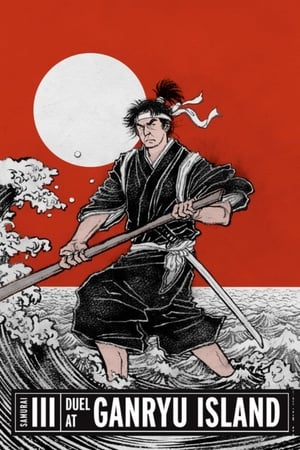
A humble and simple Takezo abandons his life as a knight errant. He's sought as a teacher and vassal by Shogun, Japan's most powerful clan leader. He's also challenged to fight by the supremely confident and skillful Sasaki Kojiro. Takezo agrees to fight Kojiro in a year's time but rejects Shogun's patronage, choosing instead to live on the edge of a village, raising vegetables. He's followed there by Otsu and later by Akemi, both in love with him. The year ends as Takezo assists the villagers against a band of brigands. He seeks Otsu's forgiveness and accepts her love, then sets off across the water to Ganryu Island for his final contest.
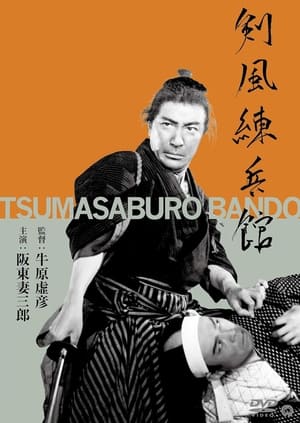
Near the end of the shogunate in Japan, Katsura Shogoro and his fellow samurai from the southwestern domain of Choshu enter the dojo of Saito Yakuro, the famed Shindo Munen Ryu swordsmen of Renpeikan in Edo. Katsura is initially not welcomed by the other, senior dojo followers. Undeterred, he focuses on improving his skill not only in swordsmanship but also learning how to repel the foreign British and American ships that threaten their domain.
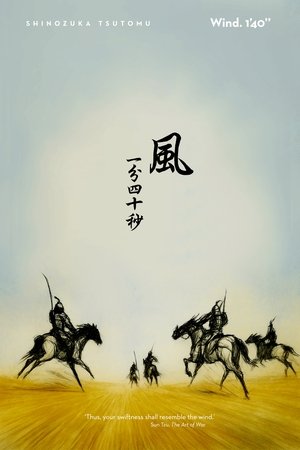
Impressionistic silent short film (also known as ‘Kaze. Ippun yonjûbyô’) created by 17-year-old high school student Shinozuka Tsutomu. The animation, which won the Debut Prize at the inaugural Hiroshima International Animation Festival in 1985, shows a group of samurai racing at breathtaking speed across golden meadows. The film stands out for its visceral sense of motion and extraordinary dynamism, as has been confirmed by jury member Kawamoto Kihachirō, who noted that you can almost feel the force of the wind. The focus on ‘wind’, speed and warriors elegantly evokes a famous military maxim by Sun Tzu: ‘Your swiftness shall resemble the wind’. It is the first of four tenets of Fūrinkazan (風林火山, lit. ‘Wind, Forest, Fire, Mountain’), a legendary Japanese battle standard drawn from Sun Tzu’s ‘The Art of War’. Warriors should also be ‘as calm and orderly as forests, as fierce as fire, and as steadfast as mountains’.