Filmed during lockdown 2020, ‘de Luz/Of Light’ explores fleeting perceptions and cyclic rituals of Portuguese coastal landscapes, specifically surrounding the Cabo Sardão Lighthouse in Beja, and constructs a complex audio-visual narrative through collaging together various natural rhythms (such as the sun and motion of the sea). This film is intended for screening with a 16:27 aspect ratio. The soundtrack was composed by sound artist Michelle Lewis-King.
WINHANGANHA (Wiradjuri language: Remember, know, think) - is a lyrical journey of archival footage and sound, poetry and original composition. It is an examination of how archives and the legacies of collection affect First Nations people and wider Australia, told through the lens of acclaimed Wiradjuri artist, Jazz Money.
A documentary shot by filmmakers all over the world that serves as a time capsule to show future generations what it was like to be alive on the 24th of July, 2010.
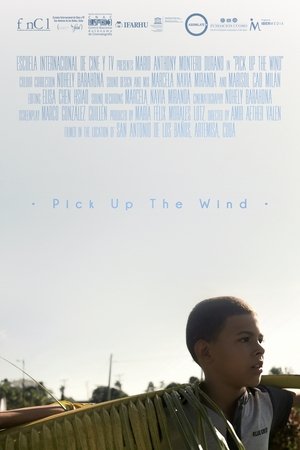
A short film following Anthony, a young child from the small, rural town of San Antonio de los Baños, Cuba. We see him in different moments of his daily life as he interacts with different forms of environmental, familial, and social influences. While Anthony displays contradictory traits of creativity, destruction, rigidity, and tenderness as he interacts with his external and internal worlds, we see a story built from the the multidimensionality of Anthony's layered personality as a young man.
"The Boy Of The Fish" follows Noon, a young boy living in a Syrian refugee camp, who finds solace and a sense of freedom in a whale-shaped doll he names "Bahr." Set against the challenging realities of camp life, Noon’s journey is both a story of resilience and a testament to the boundless imagination of childhood. Through vivid symbolism and a unique soundscape, the film explores themes of loss, hope, and the longing for freedom amidst confinement. Shot entirely on an iPhone due to restrictions in the conflict zone, the film combines raw authenticity with poetic depth to capture the emotional landscape of a young soul navigating adversity.
A generational trauma through the lens of an Asian American teenager through food and poetry.
Robert Drew shows the sights and sounds from the funeral of President John F. Kennedy in November, 1963. Preserved by the Academy Film Archive in 2002.
Con Traje y Sin Zapatos
A day in the city of Berlin, which experienced an industrial boom in the 1920s, and still provides an insight into the living and working conditions at that time. Germany had just recovered a little from the worst consequences of the First World War, the great economic crisis was still a few years away and Hitler was not yet an issue at the time.
Takes us to locations all around the US and shows us the heavy toll that modern technology is having on humans and the earth. The visual tone poem contains neither dialogue nor a vocalized narration: its tone is set by the juxtaposition of images and the exceptional music by Philip Glass.
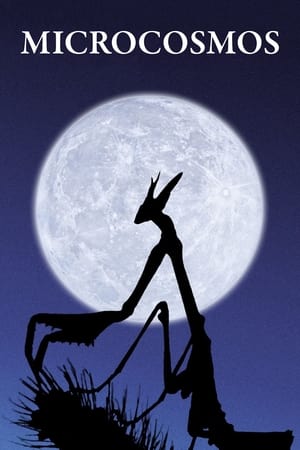
A paralysingly beautiful documentary with a global vision—an odyssey through landscape and time—that attempts to capture the essence of life.
Vidíš-li poutníka
"The Pig and the Society," symbolizes the stark contrast between the excesses of wealth and the plight of those left behind. It invites viewers to reflect on their perceptions and prejudices, challenging them to see beyond the surface and understand the systemic issues perpetuating homelessness.
Choreography of familiar gestures that the author was able to spice up with a peculiar and original perspective.
This short documentary, shot in the glass factories of Leerdam and Schiedam, demonstrates how glass blowers do their work. But thanks to the superbly edited ballet of working hands and the sequence of mechanical motions of the engines, is it especially a cinematic tour de force. That the industry can’t do without man’s involvement is shown in the scene where we hear the voice of Haanstra himself counting the bottles on the conveyor belt, until one bottle breaks…
What starts off as a conventional travelogue turns into a satirical portrait of the town of Nice on the French Côte d'Azur, especially its wealthy inhabitants.
She was born in a cave, more than 60 years ago. Now she lives in a village, with many children and grandchildren to look after. Sometimes, she dreams of her dead mother calling her home – to the cave.
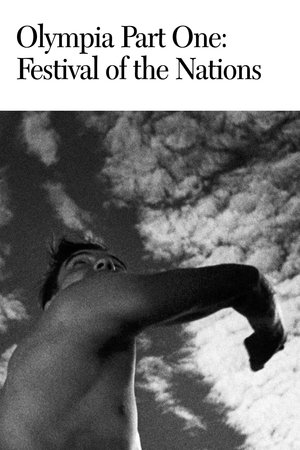
Starting with a long and lyrical overture, evoking the origins of the Olympic Games in ancient Greece, Riefenstahl covers twenty-one athletic events in the first half of this two-part love letter to the human body and spirit, culminating with the marathon, where Jesse Owens became the first track and field athlete to win four gold medals in a single Olympics.
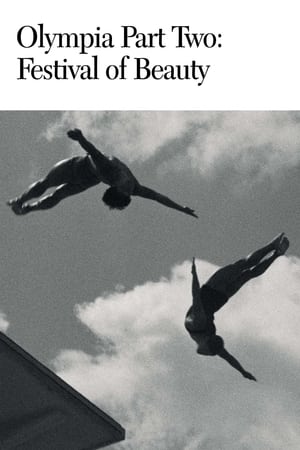
Part two of Leni Riefenstahl's monumental examination of the 1938 Olympic Games, the cameras leave the main stadium and venture into the many halls and fields deployed for such sports as fencing, polo, cycling, and the modern pentathlon, which was won by American Glenn Morris.
A woman narrates the thoughts of a world traveler, meditations on time and memory expressed in words and images from places as far-flung as Japan, Guinea-Bissau, Iceland, and San Francisco.