A medium-length documentary commissioned by the Cuenca City Council. The documentary shows an honest, sincere, although sometimes mere tourist portrait, of the lands of Cuenca and its people, without artifice or imposture, with feeling and authenticity and at the same time with marked coldness.
Documentary film that deals with the problems of the rock'n'roll scene in Niš, focusing primarily on the period after the collapse of the former SFRJ.
Directed by Marianne Chaud
A family in rural area of West Java, Indonesia enjoys their time with 'Ngadu Bagong', a sundanese traditional game where dogs put to fight against a wild boar in a single event. Ngadu Bagong has always been some sort of animal abuse but it's been in the tradition for a long time. Ade Rohmat has been in the game for a long time; a hobby that he now passes on to his daughter, Ilma Nurjanah. The potentially controversial Ngadu Bagong has always brought intense emotion, prestige, and fortune upon its practicioners.
Que mi nombre no se borre de la historia
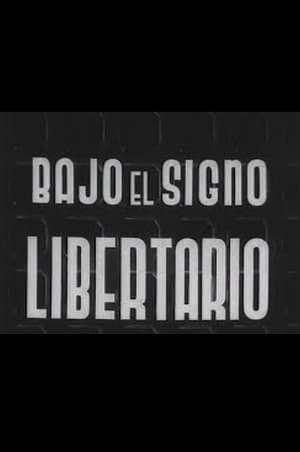
Bajo el signo libertario is a propaganda documentary, with the script and direction of Les (known for his articles in Solidaridad Obrera and the magazine Espectáculo) whose central theme is the reconstruction of the development of life in a libertarian community in the Aragonese town of Pina de Ebro.
The carnage in Sarajevo provides the focus of this French documentary which seeks to call attention to the terrible conflict in the hopes of finally ending it. The film is divided into five parts. Each part covers a time frame ranging from April 4, 1992, the beginning of the war, to the present. The major issues that occur are three-fold. It depicts the systematic genocide of Bosnians, the silence of Western countries, and the determination of the Bosnians to resist. They refuse to be seen as victims, even though the filmmakers portray them so. Also included are the origins and political aspects of the war. It offers interviews with participants. It also reveals how the U.S. State Department censored reports about Serbian death camps.
A documentary about punk and subculture scene of Pula, Croatia from 1978 to 1991, the city that gave birth to one of the most vivid punk and alternative rock scenes in former Yugoslavia, despite having population of just over 60,000 residents.
On August 8, 1988, the world’s first and largest Satanic rally took place. Ripped from a video featuring Satanist talking about creating a New World Order and killing off the masses. The 8-8-88 ritual was conducted right at the heart of the Satanic Panic. The goal, further exploit and feed upon the energies produced by the fears of the ignorant general public and media. It was shown to a sold-out crowd of degenerates promising them, “A Bitter Message of Hopeless Grief,” “A Nightmare of TERROR!” and “An Evening of Apocalyptic Delight!”
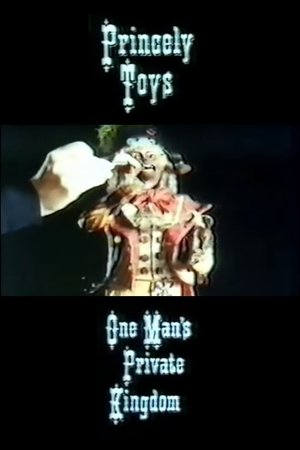
A made for TV BBC documentary exploring Jack Donovan's antique automaton collection. The documentary focuses on the toys themselves, displaying their range of movements in plain settings while the narrator weaves stories and comments about them to the synth sounds of library music.
A documentary film on the making of 'Close Encounters of the Third Kind'
This compelling Documentary moves beyond the spotlight and past the attention-grabbing headlines to give pop superstar Chris Brown a chance to tell his own story. New interviews with the international phenomenon reveal long-awaited answers about his passion for making music, his tumultuous and much publicized relationships, and the pitfalls of coming of age in the public eye. Also included is new concert footage, behind-the-scenes access, and special interviews from Usher, Jennifer Lopez, DJ Khaled, Mike Tyson, Jamie Foxx and others.
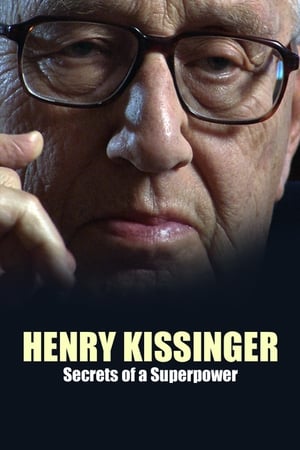
Though Henry Kissinger is often giving short statements to the media, he refuses detailed interviews about his own life. Now he has agreed to answer questions about his person in an extensive documentary.
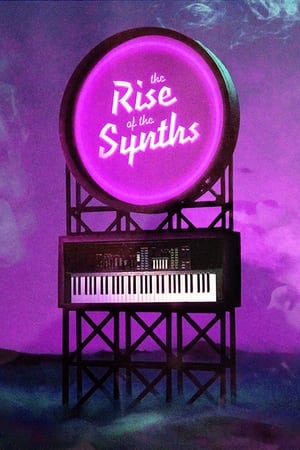
A documentary about the Synthwave scene, nostalgia and the universe of creating sounds. A love letter to human fascination and the collective memories of a universe, that never existed.
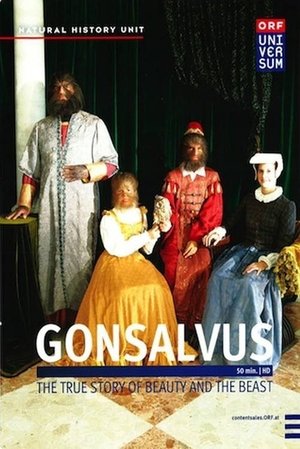
It's a condition known as "hypertrichosis" or "Ambras Syndrome," but in the 1500s it would transform one man into a national sensation and iconic fairy-tale character. His name: Petrus Gonsalvus, more commonly known today as the hairy hero of Beauty and the Beast.
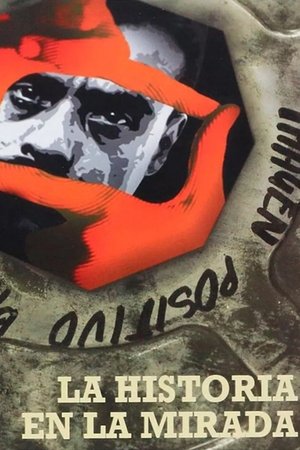
The film portraits the stage previous to the outbreak of the Mexican Revolution, from the end of Porfirio Díaz´ government, the social volatility, the ephemeral government of Madero and the presence of the working class in the figures of Villa and Zapata, until the signing if the Constitution of 1917. All of this through moving images, filmed during those events mainly by the Alva brothers, filmmakers of that time. Those images let us perceive the contradictory and shuddered glance of the people of that period.
Filmed to praise the work of the Spanish Ministry of Housing in solving the problem of shanty towns in Bilbao, it was made to be viewed by General Franco and not for public screening or distribution through the NO-DO newsreel. Although the short film was commissioned by the Ministry of Housing, director Jorge Grau produced a subtly critical work.
Oxígeno para vivir
In November 1936, a few months since the beginning of the Spanish Civil War, the government of the Second Republic moves to Valencia. In this situation, several Valencian artists and intellectuals decide to build four fallas — satirical plasterboard sculptures created to be burnt — to mock fascism.
A day in the life of Mr. Istvan and Ms. Magdi, neighbors for many years, is narrated by the building of Budapest where both live. The walls surrounding them reveal their small passions, stories and routines.