Kua and Teriki will soon get married. They live on the distant Tureia island in the French Polynesia, Pacific Ocean and have just been told that something is wrong with their son Maokis heart. It is a consequence of living only 100 km away from the island of Moruroa, where France has tested 193 atom bombs for 30 years. Several of their family members are sick and Moruroa can soon collapse, which can lead to a tsunami likely to drown all of them. Vive La France is a personal and intimate story about harvesting the consequences of the French atomic program.
Stop-motion animation on the arranging of marriages in 1950/60s set in the Eastern-Polish borderland. The script is based on a part of Mikołaj Smyk's diary, the director's grandfather. The biographical objects used in the animation, such as an authentic headscarf, Polish and Russian books, the copy of Mikołaj Smyk's diary and photographs help situate the story in its original environment.
Using home videos recorded by her voice coach, Diana takes us through the story of her life.
Happy farmers, a wedding and some giant cauliflowers...
A representation of queer and feminist imagery that was mainly shot in the Qinghai-Tibetan Plateau, remote and developing areas in southwest China, and metropolitan cities like Beijing from 2000 to 2004 to document the social changes in contemporary China. The director sympathetically and erotically represents a variety of women, including women as laborers, women as prayers, women in the ground, women in marriage, and women who lie on the funeral pyre with their dead husbands. Her camera juxtaposes the mountains and rivers in old times, the commercialized handicrafts as exposition, the capital exploitation of the elders’ living space, and the erotic freedom of the young people in a changing city.
Rosemarie Blank made this film, which focuses on women aged around fifty, in collaboration with the organisation VIDO (Dutch: Vrouwen in de Overgang/Women in the Menopause). An all but invisible group of housewives who have spent their lives putting themselves last to ensure that their husbands and children can reach their full potential.
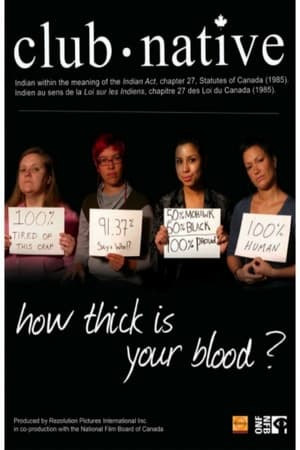
With moving stories from a range of characters from her Kahnawake Reserve, Mohawk filmmaker, Tracey Deer, reveals the divisive legacy of more than a hundred years of discriminatory and sexist government policy to expose the lingering "blood quantum" ideals, snobby attitudes and outright racism that threaten to destroy the fabric of her community.
It is hard to find a family home where all the members have gone to live their separate lives in different parts of the world. Travelling between different continents, the director visits divorced parents and their new partners and also meets her sister who decided to join an alternative community. Their family exists on archival films and photographs only. Is it still possible to put it all together against all odds?
This documentary follows three couples to see how things turned out several years after their weddings. The film presents challenging ideas about relationships, as it answers the question: Why is marriage so difficult?
Part Two: SMALL HAPPINESS - Despite the tremendous advances women in China have made, serious problems continue. Long Bow women talk about love, marriage, work, birth control, birth customs and the now outlawed custom of foot binding. Truly moving interviews with Lingqiao and her mother-in-law draw us into their lives.
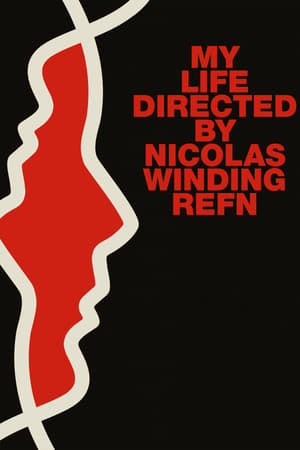
A documentary directed by Winding Refn's wife, Liv Corfixen, and it follows the Danish-born filmmaker during the making of his 2013 film Only God Forgives.
Marriage and sexuality is examined through the lens of screenwriter Dr. van de Velde, a Dutch gynocologist.
Kourtney, Travis, and their guests enjoy a luxurious wedding weekend in Portofino, Italy. Private and personal footage reveal an intimate family event full of beautiful moments.
Meticulous documentation of the course and rituals associated with a traditional, folk wedding. Images of nature and Masovian landscapes are intertwined in this study with elements of folk culture, the basis of which is the relationship between man and nature.
Filmmaker Amy Berg sheds light on the sexual, financial and spiritual abuses heaped upon members of the Fundamentalist Church of Jesus Christ of Latter-day Saints by their former leader, Warren Jeffs.
Footage from the Marzia and Felix Kjellberg’s wedding.
After documentarian Ross McElwee gets married, a series of misfortunes follow: his grandmother dies, his wife miscarries, and then his father dies less than a week later. Shaken by the sudden string of deaths, McElwee becomes depressed. After spending time with his friend and former high school poetry teacher, Charlene, he goes to meet his brother, a doctor. In a series of interviews, McElwee contemplates his morbid preoccupation with death and tries to figure out how to shake it off.
Through archival footage of his parents' wedding, the filmmaker embarks on a personal and societal reflection on the theme of love and marriage in contemporary Serbia. The film follows scenes from a traditional Balkan wedding, where songs, dances, and rituals reveal deeply rooted heteronormative values. As he watches these moments, the filmmaker questions his own relationship to marriage as an LGBT individual in a society grappling with change, yet resistant to equality. Will he, as their son, ever have the chance to experience love and marriage the way his parents did? The film explores the dilemma between tradition and modern love, confronting the past with hopes for a future where everyone has the right to love and union without restrictions. Through this personal narrative, the filmmaker addresses the issues of acceptance, family, and dreams that may never become reality in the current social context.
Director John Webster convinces his wife and two small children that the whole family should go on an oil diet, yet without having to give up their a middle class suburban lifestyle. All the everyday things that we don't do, or that we can't help doing, make up recipes for disaster. In this comedy of errors they find themselves questioning their values and putting to test their will power and ultimately, their happiness.
Chronicling one story of courage born out of the highly mediatized and controversial Prop 8 2008 election results in California. A Californian married gay couple and their two adopted children fight back against discrimination, ignorance and hate through home videos posted on their YouTube channel, Gay Family Values. As they pursue their American Dream, the opposing political, social and religious opinions that pervade society attempt to strip it from them.