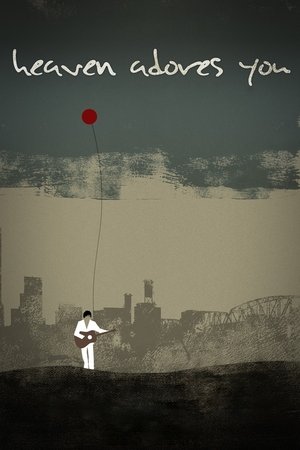
Heaven Adores You is an intimate, meditative inquiry into the life and music of Elliott Smith. By threading the music of Elliott Smith through the dense, yet often isolating landscapes of the three major cities he lived in -- Portland, New York City, Los Angeles -- Heaven Adores You presents a visual journey and an earnest review of the singer's prolific songwriting and the impact it continues to have on fans, friends, and fellow musicians.
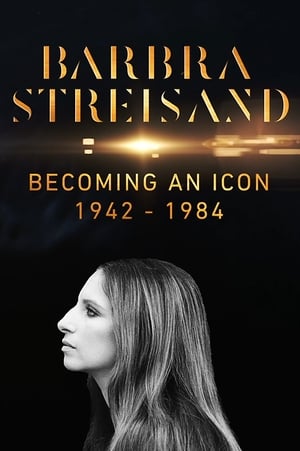
Barbra Streisand grew up in working class Brooklyn, dreaming of escape from her tough childhood. A stellar student, she resisted the pressure to go to college as her sights were firmly set on Broadway. She was determined to become an actress and landed her first role aged 16, but it was two years later, when she started to sing, that her career took off. Subverting stereotypes and breaking glass ceilings, this programme looks at her rise to stardom and the remarkable achievements of her early career.
Tati Express dives into Jacques Tati's films and how they look at a changing world throughout the 20th century. It shows how modernity impacts human-beings and goes through that amazing body of work at 100 mph.
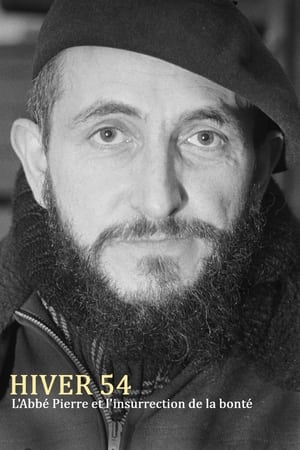
Hiver 54 : L'Abbé Pierre et l'insurrection de la bonté
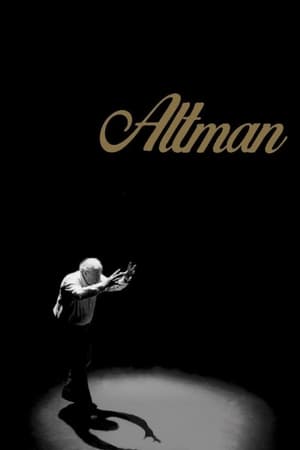
Robert Altman's life and career contained multitudes. This father of American independent cinema left an indelible mark, not merely on the evolution of his art form, but also on the western zeitgeist. With its use of rare interviews, representative film clips, archival images, and musings from his family and most recognizable collaborators, Altman is a dynamic and heartfelt mediation on an artist whose expression, passion and appetite knew few bounds.
From his chaotic childhood to the White House, JD Vance embodies the MAGA-style revenge of America. To recount the ideological journey of the Vice President of the United States, Thomas Snégaroff and David Thomson met with a dozen people who have been close to him throughout his life. They reveal who Vance truly is: how the man evolved ideologically and how he transformed politically. These encounters and interviews with his closest associates, including his mother Beverly and his mentor, David Frum, uncover the secrets of his ambitions and plans to transform America and Europe.
This documentary composed of numerous testimonies and archives, filmed in Japan highlights the extraordinary career of the actress-director Kinuyo Tanaka and her singular ambition to impose a female point of view on cinema, reflecting her own vision of the world.
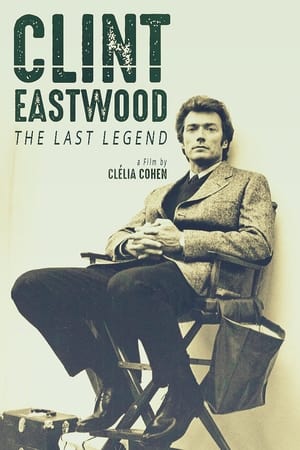
The portrait of the last cowboy Hollywood legend dives into the 65 years of an extraordinary career in Hollywood, highlighted iconic films like The Good, the Bad and the Ugly, as well as Million Dollar Baby, Mystic River and Gran Torino all the way to Cry Macho in 2021. It is no small task to cover more than 60 years of cinema history, especially when it is trying to surveyed with such breadth and diversity: TV star, international star, controversial icon, contested director, filmmaker with a capital F, Eastwood has been through it all, experienced it all, and it is first of all this romantic trajectory, this true American pastoral that the documentary wants to tell with all the passion it possibly can.
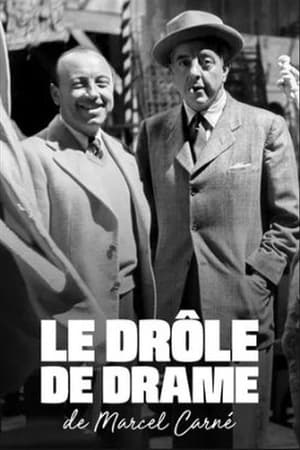
Through the life and career of Marcel Carné, using film excerpts and archives (including touching interviews with the director), François Aymé weaves a fascinating portrait of a hypersensitive man who had to deal with his homosexuality and who, despite his brilliance, was long relegated to the shadow of his actors and Prévert, who were credited with their greatest success.
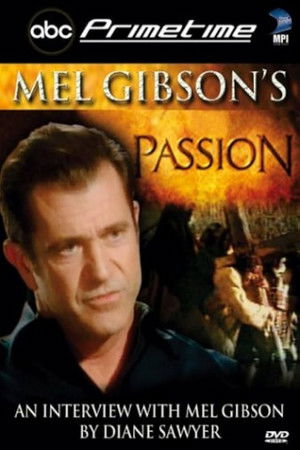
In this special edition of Primetime, ABC News' Diane Sawyer interviews filmmaker Mel Gibson about his highly controversial movie, ""The Passion of the Christ."" He responds to charges that the movie's portrayal of the Jewish role in the death of Christ will encourage anti-Semitism. He also elaborates on comments he's made about the Holocaust. In addition, Gibson tells why he felt it necessary to exhibit such a graphic depiction of Christ's crucifixion on film and discusses his decision to tell the story in Aramaic and Latin.
Documentary film about Gothic painting and its representatives.
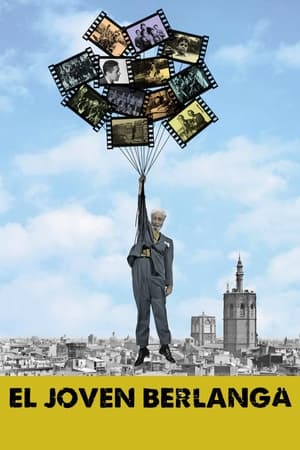
The early days of the future genius of Spanish cinema Luis García Berlanga, from his birth in Valencia in 1921 to his departure to Madrid in 1947 to become a filmmaker.
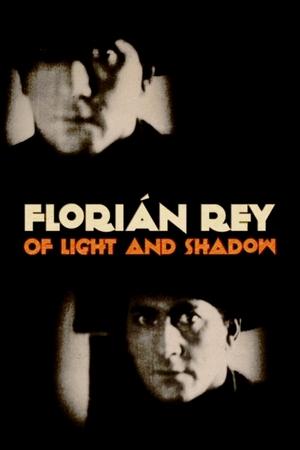
The life and professional career of the Spanish filmmaker Florián Rey (1894-1962), a brilliant artist who began his career in silent films and had great commercial success during the Second Republic (1931-1936): a journey to the early days of Spanish cinema.
Mysterium Gotik - Als die Kathedralen in den Himmel wuchsen
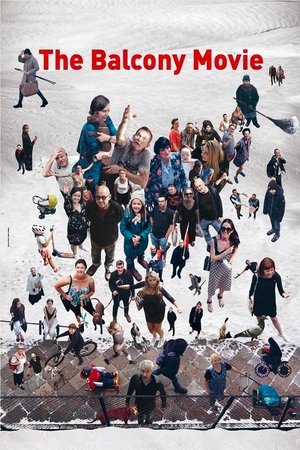
Composed from the conversations that the director holds with people passing by in the street under his Warsaw apartment, each story in 'The Balcony Movie' is unique and deals with the way we try to cope with life as individuals. All together, they create a self-portrait of contemporary human life, and the passers-by present a composite picture of today's world.
Architect Raine Karp has designed some of the most monumental buildings in Estonia. Yet he himself says that he does not shape cityscapes or create art — he simply solves problems. This film takes the viewer on a journey into Raine’s world of ideas and his creative process.
What was your first desire? What did you long for most? Arielle Dombasle put these questions to a wide circle of famous people.
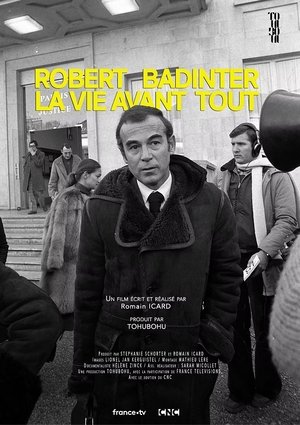
In September 2021, France will celebrate the 40th anniversary of the abolition of the death penalty. A decision so strong that it will symbolize, in itself, the first seven years of François Mitterrand. For Robert Badinter, it was the fight of a lifetime, rooted in a personal history marked by the rejection of injustice, which began after the arrest of his father by the Gestapo in 1943. A story told through archives and by his family and closest friends.
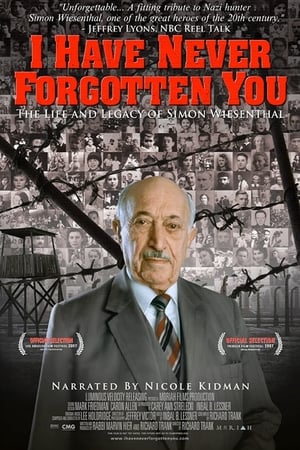
"I Have Never Forgotten You" is a comprehensive look at the life and legacy of Simon Wiesenthal, the famed Nazi hunter and humanitarian. Narrated by Academy Award winning actress Nicole Kidman, it features interviews with longtime Wiesenthal associates, government leaders from around the world, friends and family members--many of whom have never discussed the legendary Nazi hunter and humanitarian on camera. Previously unseen archival film and photos also highlight the film. What was the driving force behind his work? What kept him going when for years the odds were against his efforts? What is his legacy today, more than 60 years after the end of World War Two?
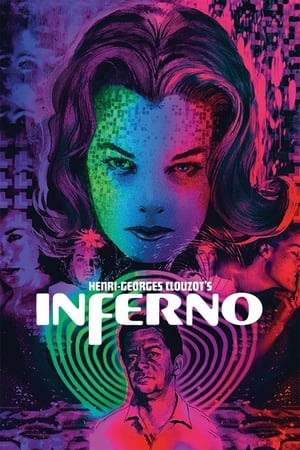
In 1964, Henri-Georges Clouzot's production of L'Enfer came to a halt. Despite huge expectations, major studio backing and an unlimited budget, after three weeks the production collapsed. This documentary presents Inferno's incredible expressionistic original rushes, screen tests, and on-location footage, whilst also reconstructing Clouzot's original vision, and shedding light on the ill-fated endeavor through interviews, dramatizations of unfilmed scenes, and Clouzot's own notes.