In this educational film, laboratory demonstrations show the effects of moisture and temperature on the growth of molds. Photomicrography reveals the structure of molds: hyphae, mycelium, spore balls, spores. Beginning with spores on a rice culture, time-lapse photography shows the formation of a new colony.
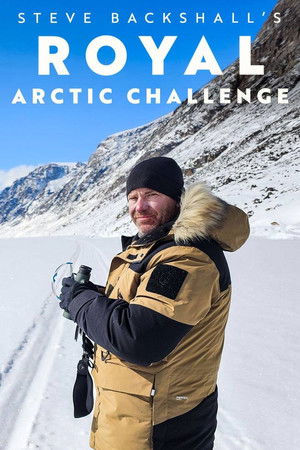
50 years on from the event, environmentalist Steve Backshall retraces a young Prince Charles' Arctic adventure and uncovers dramatic changes to our planet alongside an urgent need for action.
Through the 1950s and 1960s, and running alongside production of the gothic horror films, Hammer made a series of what were known as "mini-Hitchcocks" mostly scripted by Jimmy Sangster, and directed by Freddie Francis and Seth Holt. These low-budget suspense thrillers, often in black-and-white, typically had a twist at the end of the tale. [Wikipedia]
This film provides a lively introduction to the professional and personal lives of three female engineers-just a few of the growing number of women who were opting for "non-traditional" jobs in1983.
The making of "Resident Evil: Extinction."
MEUTHEN'S PARTY unmasks the rise of the provincial politician Dr. Jörg Meuthen who doesn't shy away from spreading racist sentiments with a smile on his face.
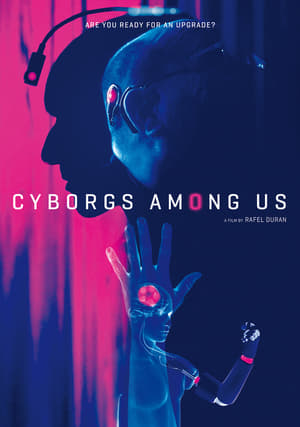
In a few years, technology will merge with our bodies in ways that today seem unimaginable, and will redefine the limits of what is a human being. There are already people who, driven by the desire to experiment, have crossed the biological limits by introducing electronic devices that provide them with capabilities that go beyond what is "normal." They are the first hybrids, and they face the reaction of society, which goes from malignancy to enthusiasm. Today they are only a small minority, and many people consider them as disrupted experimenters, but in the near future we may recognize them as pioneers.
Airbus : la techno des géants du ciel
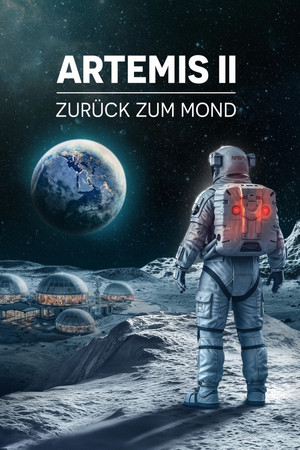
For the first time since the legendary Apollo missions over 50 years ago, humans are once again setting out for the Moon on April 1, 2026. NASA’s Artemis II mission marks the beginning of a new era in space exploration, and Germany will play a key role. This documentary follows the four astronauts during their preparations and offers exclusive insights into the Orion spacecraft. German astronauts Alexander Gerst and Matthias Maurer, along with other space experts, explain how the mission will proceed and why it is being undertaken. It's a journey that blends science, adventure, and the fundamental question: Why do people risk their lives to reach other celestial bodies and distant worlds?
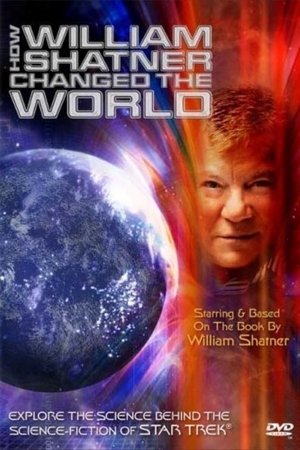
William Shatner presents a light-hearted look at how the "Star Trek" TV series have influenced and inspired today's technologies, including: cell phones, medical imaging, computers and software, SETI, MP3 players and iPods, virtual reality, and spaceship propulsion.
In northern Iraq lie the ruins of a 3,000-year-old city, Nimrud, once the capital of the powerful Assyrian Empire. In 1988, archaeologists conducted excavations beneath one of the palaces and uncovered a vaulted room filled with bronze cups, lamps, and ceramic jars, which led to an untouched chamber laden with precious objects. A stone sarcophagus, still intact, contained an impressive amount of jewelry: the treasures of this burial site surpassed those found in Tutankhamun’s tomb. The bodies of two women, placed one on top of the other, were also exhumed. Presumably of high rank, who were they?
Familiar radio voice Ben Grauer leads the viewer on a behind the scenes tour of the National Broadcasting Company studios -- both radio and television -- in Rockefeller Center and Hollywood. The original 25-minute film previewed by network execs and affiliates in the fall of 1948 was cut down to 20 minutes before its first broadcast, reportedly to excise high-profile stars and programs such as Amos 'n' Andy, Jack Benny, and Edgar Bergen that had since left NBC for other networks.
Total contrôle
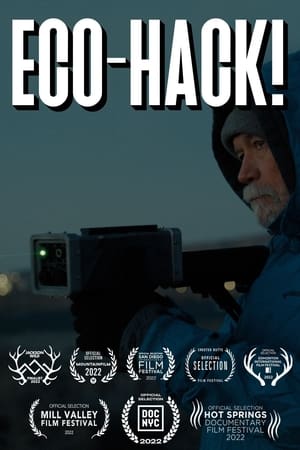
Conservation biologist Tim Shields sees urgency in the field and finds that traditional conservation practices are lacking when it comes to saving desert tortoise populations from ravens. He goes rogue, employing an arsenal of lasers, exploding model turtles, drones and desert rovers as a means of protecting the tortoise's dwindling numbers.
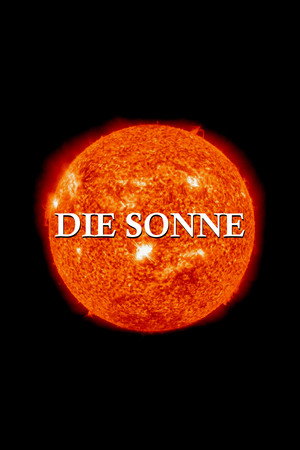
The sun is the miracle that makes everything possible - but also the greatest danger. For the first time, a feature-length documentary is dedicated to the search for the significance of our home star for mankind, science and nature. Thanks to the researchers from the American space agency NASA, who work at the Canary Islands observatories in the hottest and coldest places on the planet.
Film sponsored by Western Electric (AT&T's equipment manufacturing division), the builder of the United States Air Force's White Alice Communications System in Alaska. Introduces the people and geography of the new state as well as the Western Electric radio-relay system, which links far-flung military sites, alert stations, and missile-warning facilities. Ralph Caplan praised the film's "intrinsically dramatic and highly photogenic" portrayal of communications equipment.
Explores the history, technology, people, stories and industry influence of this lesser-known personal computer. The film profiles important individuals involved in the creation of the computer, plus its life after cancellation, both as an entry-level Macintosh compatible and as a collectible. The work of Douglas Engelbart and his team, plus advances from the Xerox Palo Alto Research Center (PARC) with their Alto and Star workstations were the initial innovators of the Graphical User Interface (GUI), but the Apple Lisa stands as the clear foundation for what we all use today -- Macintosh -- Windows -- iOS -- Android.
Herbert Fux talks about his role in the 1970 film "Hexen bis aufs Blut gequält" also known as "Mark of the Devil"
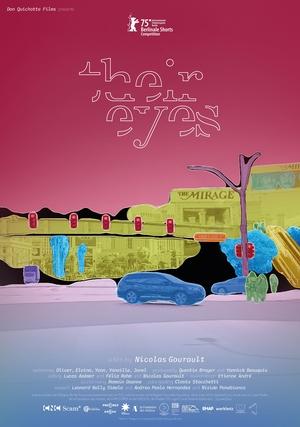
How does a machine learn to read the world? Testimonies and screen recordings introduce the experience of online micro-workers from the Global South: their job is to teach the AI of self-driving cars to navigate the streets of the Global North.
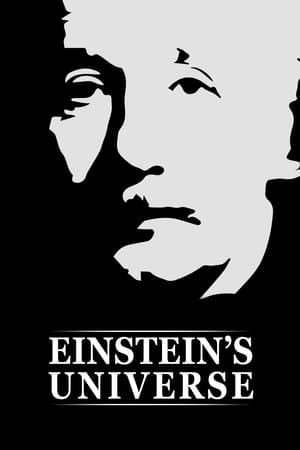
A documentary produced in 1979 to celebrate the centenary of the birth of Albert Einstein. Narrated and hosted by Peter Ustinov and written by Nigel Calder.