Boca
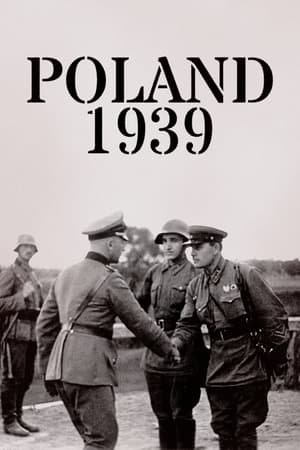
September 1st, 1939. Nazi Germany invades Poland. The campaign is fast, cruel and ruthless. In these circumstances, how is it that ordinary German soldiers suddenly became vicious killers, terrorizing the local population? Did everyone turn into something worse than wild animals? The true story of the first World War II offensive that marks in the history of infamy the beginning of a carnage and a historical tragedy.
An unlikely collaboration between a forensic scientist from Texas and a group of Latin American students changes the course of forensic science and international human rights.
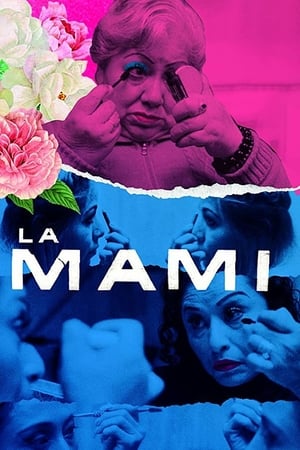
One of the rooms inside the legendary Barba Azul Cabaret has become a shelter for the girls working there: the women's bathroom. Every night La Mami, who's in charge of the bathrooms, offers them the warmth and the advice they need to take on the challenge they face in the dance hall.
Shuja’iyah: Land of the Brave represents one filmmaker’s personal reflection on the meaning of “crimes against humanity” in the context of Israel’s ‘Operation Protective Edge’ waged in the Gaza Strip in 2014, using footage of her family filmed in the summer of 2013 juxtaposed against audio from the summer of 2014. Assali posed the question, when we say ‘crimes against humanity’, what ‘humanity’ are we talking about?”
An essay style film in the vein of Orson Welles' "F For Fake" and Jon Jost's "Speaking Directly". From 2011 to 2013, filmmaker Kristian Day randomly documented the art and actions of the award winning metal sculptor, James Bearden. Refusing to make another artist documentary, Day insisted on illustrating Bearden's creative process through surreal and id oriented story telling.
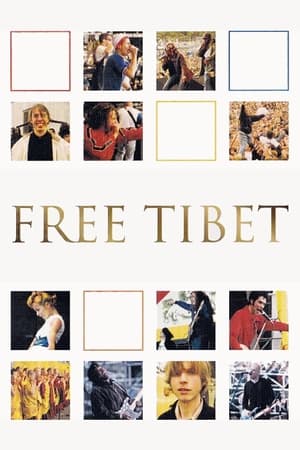
A film about the Tibetan Freedom Concert in San Francisco in 1996.
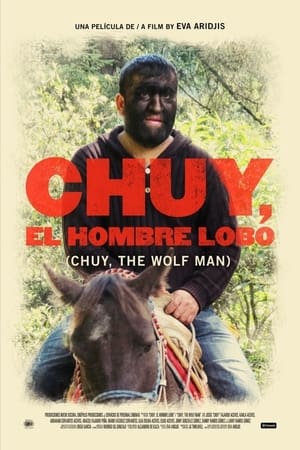
Jesus 'Chuy' Aceves and a dozen living members of his extended family suffer from the very rare condition of congenital hypertrichosis, meaning they were born with excessive hair on their faces and bodies. Due to their appearance, they suffer from discrimination in all areas of their lives: the children are made fun of at school and abandoned by their 'non-hairy' parents, and the adults cannot find work unless they choose to exhibit themselves as freaks in circuses. This moving and visually arresting documentary is a portrait of Chuy and his family members. It examines their day-to-day lives and their struggle to find love, acceptance and employment.
Narir Kotha is an exploration of the experience of women in the Bangladesh Liberation War of 1971. During the war, thousands of women were systematically raped and tortured by the Pakistan Army and their collaborators. But they were not only victims of sexual violence, they were also in the front lines of the popular resistance against the occupying Army, as fighters and martyrs. Narir Kotha is an attempt to explore some of these stories, through the words of the women themselves.
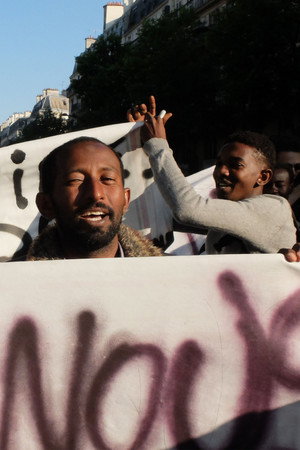
La Chapelle neighbourhood, Paris. Hundreds of exiled people from East Africa survive on the streets, chased violently by the police, yet seeking to defend their rights as asylum seekers. Some months later, having finally obtained their rightful housing, two Sudanese young men return to the sites where they first landed and talk about their arrival in Paris during this agitation.
Through personal stories, the documentary approaches the issues of gender identity and legal gender recognition in Greece. The three main characters explain how society has treated them, by narrating their experiences from the past and the present.
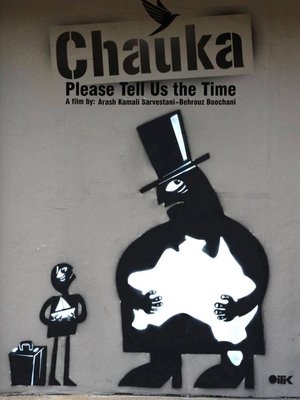
An urgent and powerful documentary, shot in a detention centre where asylum seekers trying to reach Australian shores are indefinitely detained. Secretly shot on a mobile phone by Iranian journalist Behrouz Boochani while detained on Manus, in Papua New Guinea, the film is a collaboration with Dutch-Iranian filmmaker Arash Kamali Sarvestani. Boochani recounts, via the testimonies of fellow inmates, the abuse and violence inflicted and the precarious state of limbo they find themselves in. Chauka, the name of the dreaded solitary confinement unit within the detention centre, was originally the name of a beautiful bird and symbol of the Manus Island. By interweaving dialogue with two Manusian men and shots of daily life on the island, the film gives a much-needed voice to Manus inhabitants, understandably distressed by the current situation. With marked restraint, the film exposes lives broken by shocking immigration policies.
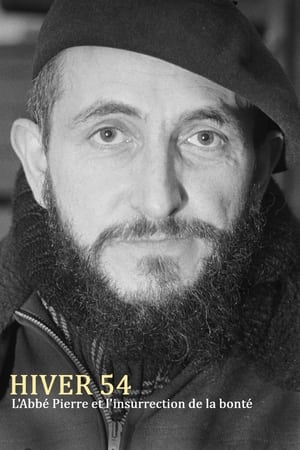
Hiver 54 : L'Abbé Pierre et l'insurrection de la bonté
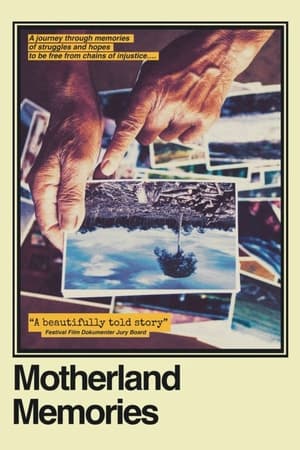
Ompung Putra Boru, a sixties indigenous Batak woman from Humbang Hasundutan, North Sumatra, retraces her life stories through photographs that interweave her past and present as a wife, mother, healer and indigenous land defender in two neighboring villages. Her multi-layered stories are juxtaposed with visual records of everyday life in the two villages, where people’s living space is still increasingly threatened by a giant pulp expansion.
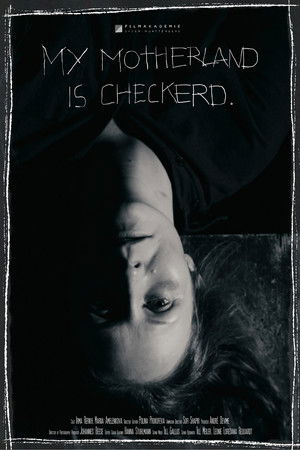
In a mix of 2D animation and live action, through their voices and acting, two actresses recount the lives of imprisoned women that opposed the Russian Regime and their emotional stories of suffering and anguish.
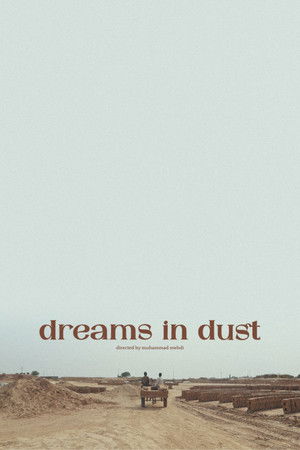
A short documentary exploring the grueling cycle of child labor in Pakistan through the story of two children, one working at a brick kiln and the other at a car mechanic shop.
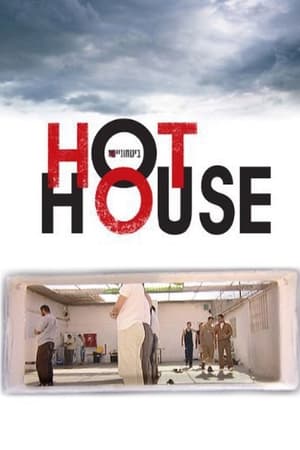
In a candid and unflinching portrait of Palestinian prisoners, Shimon Dotan takes viewers inside the highest security prisons in Israel where thousands of Palestinians fill these detention facilities.
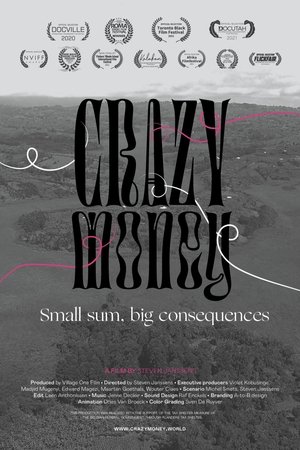
What is possible when we have guaranteed money to meet our basic needs? No requirements. No stipulations. No paybacks. We look to the village of Busibi to discover what’s possible when we give money directly to people. No strings attached. The answer lies in the residents’ personal stories. Their successes and tribulations illustrate the impact of one of the most daring projects in contemporary development cooperation. Their life stories unexpectedly prove to be all too familiar. They make us laugh. They move us. Blending in together, they create a colorful and poetic reality portrait, illustrating the big consequences of a small sum of money …
L'envers d'Amazon
Through testimonies and images, the crude reality of human rights in Argentina in democracy is portrayed and the role of the hegemonic means of communication to make causes and protests invisible ...