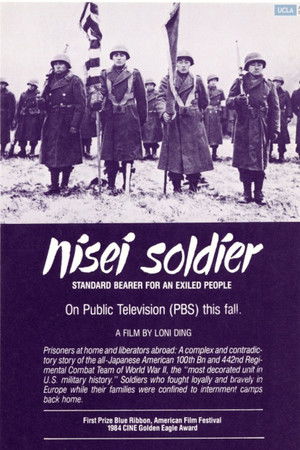
Nisei Soldier focuses on the heroism of American men of Japanese ancestry who fought bravely during World War II, despite the intense moral dilemmas they faced. Leaving their families imprisoned in "relocation centers", many young Nisei (second generation American-born Japanese) proved their loyalty in WWII by enlisting in the all-Japanese American 442nd Infantry Regiment which fought in Europe. Because of the Regiment's incredible bravery in battle, liberation of French towns, and high casualty rate, it became the most decorated unit in U.S. military history. The film asks: What sustained these young men forced to battle on two fronts at once -- against fascism abroad and intense prejudice at home? More than a war story, Nisei Soldier is a tale about personal honor, family loyalty and love of country -- and what it means to be an American.
To popularize the idea of automobile travel, Ford Motor Company produced Ford Educational Weekly, a film magazine distributed free to theaters. One 1916 series featured "Visits to American Cities." In this episode, Los Angeles is featured at the very beginning of the boom created by oil, movies and aircraft. On the occasion of its centennial in 1953, Ford donated its film to the National Archives and Records Service; this copy derives from a fine grain master printed from the Archive's preservation negative. Music by Frederick Hodges.
Bryce Dallas Howard, J. A. Bayona, Colin Trevorrow, Chris Pratt, and Jeff Goldblum chat about all things Jurassic.
Compilation of newsreel items: Launch of SS 'Prins der Nederlanden'; Competition of lorries; Queen Wilhelmina and prince Hendrik visit an exhibition of church art; A carriage accident on the Amsterdam Singel (8 februari 1913); Suffragettes' march in Amsterdam; Queen Wilhelmina and princess Juliana go ice skating; Arrival of health officer dr. L. van de Steen van Ommeren who has been working for the Red Cross in Constantinopel; Fire in the Spalteholz en Ameschot factory, Achterweg 2; Prins Hendrik visits the exhibition in Ghent.
As travelogues go this one doesn't quite cut it – good job Lanry household bleach can!
Hitchcock went the wrong way! Head south by southwest with this travelogue from Bath to Cornwall.
A look at the Lake District and its famous poet.
Contemporary life in Plymouth in the 1960s – plus some history.
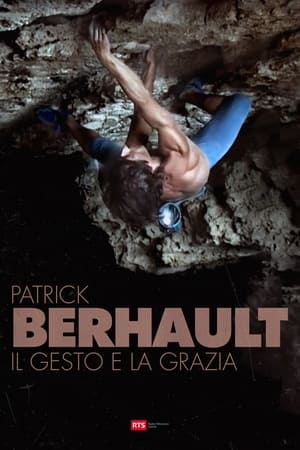
Patrick Berhault - Il Gesto e La Grazia
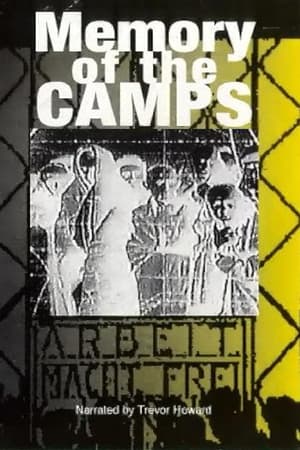
In 1945, Allied troops invaded Germany and liberated Nazi death camps. They found unspeakable horrors which still haunt the world’s conscience. A film was made by British and American film crews who were with the troops liberating the camps. It was directed in part by Alfred Hitchcock and was broadcast for the first time in its entirety on PBS FRONTLINE in 1985.
The Flight of the Condor traces the global circulation of the melody “El Condor Pasa”: from the Andes mountains to global metropoles; from Lima to Paris to New York, and back; from panpipes to piano and from symphony orchestras to the disco; from indigenous to popular music; and from world music back to national heritage.
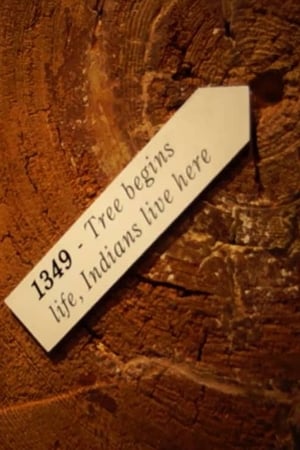
A display of a fallen red cedar at Olympic National Park headquarters proclaims in 1349 "Indians live here." TREE BEGINS LIFE INDIANS STILL LIVE HERE produces a meditation on the territories of the First Nations of the Pacific Northwest, and invites an alternative interpretation of U.S. sovereignty over these lands.
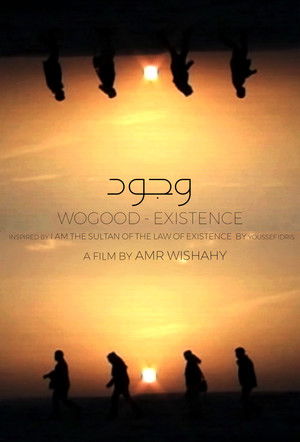
After reading I Am the Sultan of the Law of Existence by Youssef Idris, a five-day journey through Egypt’s Western Desert, traveling from north to south., covering 2,800 km and shooting for 35 hours, the expedition became both physical and existential. The desert’s vastness and silence echo the text’s meditation on the relationship between man, nature and the universe, transforming the landscape into an active force that reshapes perception and confronts the nature of existence.
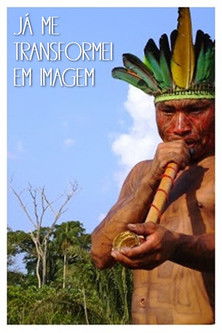
Comments on the history of a people, made by the filmmakers and their characters. From the time of contact, through captivity in rubber plantations, to the current work with video, the testimonies give meaning to the process of dispersion, loss and reunion experienced by the Huni kui.
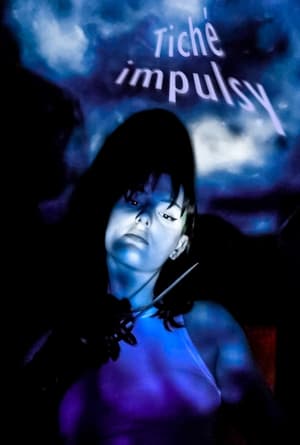
Silent Impulses is a documentary portrait of a young woman who openly deals with taboo sexual deviations. The film reveals her inner world, the way she deals with this issue and how it affects her relationships and perception of herself.
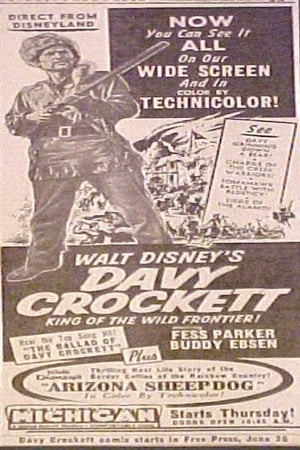
Arizona Sheepdog is a documentary film that was originally released to theaters by Buena Vista Distribution on May 25, 1955 as a double-bill with Davy Crockett, King of the Wild Frontier.
Inspired by The Seven Valleys, the film follows a solitary wayfarer who steps onto a spiritual journey of self-knowledge, guided not by destination but by transformation. Shot across the historic landscapes of Oxford, the journey unfolds as both an inner pilgrimage and a physical passage that reflects the wayfarer’s movement toward surrender, silence, and submission.
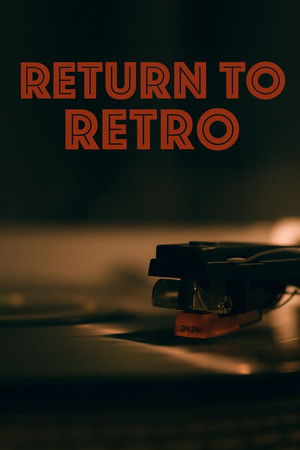
A short documentary exploring the reason behind the return of analog media, specifically vinyl. The documentary focuses on Gabriella, the main participant, and her experiences and personal viewpoints.
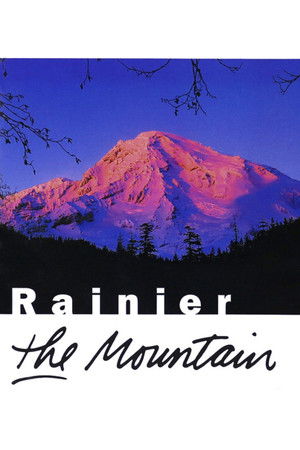
In this retrospective tribute, acclaimed filmmaker Jean Walkinshaw hails the 100th anniversary of Mount Rainier National Park in Washington by talking to those who know it best: the scientists, naturalists, mountain climbers and artists whose lives have been touched by the peak's far-reaching shadow. The result is a harmonious blend of archival material and high-definition footage celebrating an icon of the Pacific Northwest.
From dawn till dusk in the bohemian heart of London’s West End. This 1979 portrait of the people and places of Soho catches the neighbourhood towards the end of an era. There's some great footage inside an Italian delicatessen and of assorted street characters. It's a fascinating glimpse into this walled garden of cosmopolitan life on the cusp of the gentrification and commercial interests that have since broken its borders.