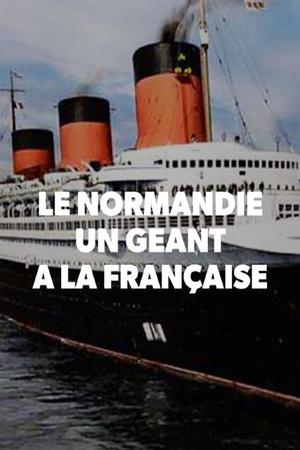
Le Normandie, un géant à la française
The fantastic story of John Cabot's voyage of discovery in The Matthew, plus the extraordinary story of Bristol's maritime history from Cabot to Brunel and the S.S. Great Britain and much more, brought to life by Bristol's own TV star, comic actor Tony Robinson.
Aerial views of the Liner ship 'Normandie' at sea. Quick shot of the ships bridge. Shot of the ship's captain. Shot of clay pigeon shooting off side of ship. Shots of swimming pool. Various shots of the decoration around the interior of the ship - including the Chapel, indoor swimming pool, kitchen, dining room.
Bay houses were created in the late 1800s, and are maintained and enjoyed by families for generations. In this documentary, experience the unique and special way of life that, in our time, exists nowhere else in America but on the South Shore of Long Island, New York.
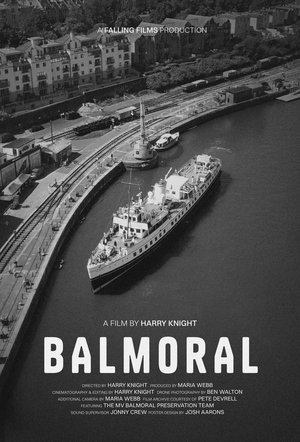
As historic ships vanish from British waters, a group of passionate volunteers fights to save the Balmoral—a 1949 passenger vessel moored in Bristol’s iconic harbour—battling time, bureaucracy, and financial struggles to preserve a piece of maritime history before it’s lost forever.
The Shannon is Ireland’s greatest geographical landmark and longest river. It is both a barrier and highway, a silver ribbon holding back the rugged landscapes of the west from the gentler plains to the east. On its journey south, the Shannon passes through a huge palette of rural landscapes, where on little-known backwaters, Ireland’s wild animals and plants still thrive as almost nowhere else. For a year, wildlife cameraman Colin Stafford-Johnson lives on the river, camping on its banks, exploring its countless tributaries in a traditional canoe, following the river from dawn to dusk through the four seasons, on a quest to film the natural history of the Shannon as it has never been seen or heard or experienced before.
Les secrets de Fort Boyard
Poutine et la guerre des cinq mers
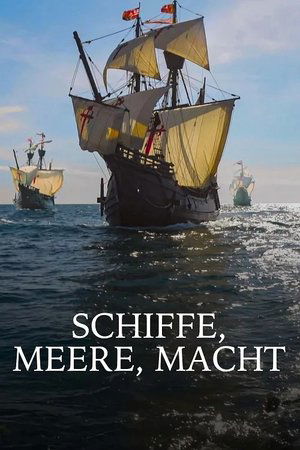
People have always wanted to reach the horizon and go beyond it. It wasn't and isn't just about discovering for the sake of discovering. Exotic goods, wealth and power were the driving forces of these people. The steamship ultimately brought the breakthrough for global mobility and trade. In the past, as now, shipping is the engine of globalization.
An aged, wealthy trader plots with his servant to recreate a maritime tall tale, using a local woman and an unknown sailor as actors.
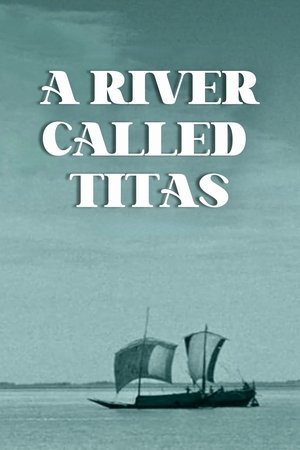
An in-depth look at the lives and struggles of a fishing community living by the River Titas in Bangladesh after the Partition of India in 1947.
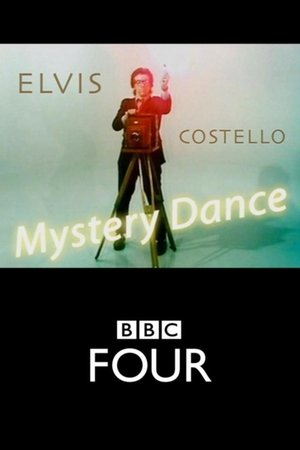
Elvis Costello: Mystery Dance, the first-ever documentary portrait of one of the greatest musicians and songwriters of our time. Assured of Costello’s full collaboration, exclusive access to his extensive archive and with the full participation of his record company, the film is a definitive portrait of a major music icon.
The tours and detours of a husband and wife as they create and release the critically acclaimed album, O' Be Joyful. From working for tips to becoming "Emerging Artist of the Year," the two-man family band uses ingenuity and hard work to create something out of nothing.
Lady Be Good reveals the lost stories of female jazz musicians from the early 1920s to the 1970s. Narrated by musician-composer Patrice Rushen, the film charts the influence of female players from the struggles and successes of early innovators (Sweet Emma Barrett, Lil Hardin-Armstrong), through the rise of the all-woman big bands (Ina Ray Hutton & Her Melodears, the Hollywood Redheads), to the female musicians that were instrumental players (Dorothy Donegan, Mary Osborne) and arrangers (Mary Lou Williams, Melba Liston) for more famous male band leaders, including Benny Goodman and Quincy Jones. Unfolding over nine parts, director Kay D. Ray's debut film weaves provocative and often humorous interviews with female musicians, big band leaders, jazz authors, and historians throughout a film stuffed end-to-end with archival photos, recordings, and performance footage to create a documentary that restores an essential part of our musical history.
This soulful documentary illuminates the hell-and- back life of the late, great L.A. alto sax legend Frank Morgan. A prodigy who was acclaimed as the natural heir to his bebop mentor, Charlie Parker, Morgan derailed his career with heroin, which led him into a life of crime. After decades in prison, he made an astonishing comeback, leaving behind recordings of deep, melancholy beauty. Framed by a tribute concert held in San Quentin, where Morgan’s 19-year-old Asian-American protégé, Grace Kelly, performs a heart-stopping version of “Over the Rainbow,” N.C. Heikin’s film is filled with revealing interviews with the colleagues, lovers, family and wives who accompanied Morgan on his long and rocky journey to redemption.
In Rio de Janeiro, close to the mythical Maracana stadium, venue for the grand final of the World Cup 2014, we find an ordinary football field in the Sampaio neighborhood. There, football happens as a genuine expression of Brazilian culture. With the games on Sundays, the annual slum football league has 14 teams. Each represents the colors and rituals of their community. Geração x Juventude contest the final.
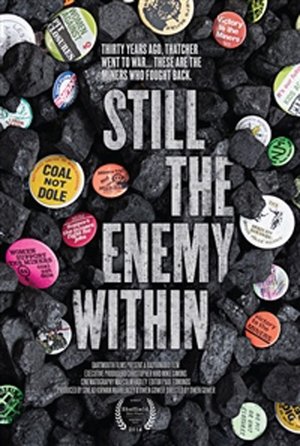
A documentary about the 1984 Miner's Strike which changed Britain forever.
Satovcha is a small Bulgarian village with 2021 residents of a different religious and ethic groups (Orthodox Christians, Muslim Turks and Evangelist Gypsies). People were divided by their past full of conflicts, but now they have find a way to each other through a simple medium - the food. Now the plates on the table are loaded with pride, identity, common past and friendship, but all this comes with a price....
The film creates a daring first exposure on the way parents, rabbis, teachers, pedagogues and therapists within the Orthodox Hasidic Jewish Community educating their male children from infancy to adolescence, to avoid spilling their sperm. They target them to keep their seed only after marriage with a female for the purpose of fertilization. "Sacred Sperm" penetrates into one of the most suppressed hidden issues in the Orthodox Hasidic Jewish Community - a Taboo. Throughout the film we follow the emotional and theological struggle of the director who is trying to find a proper way as a father to explain his teenager son logically why he should keep this major Mitzvah (commandment) which perceived by many as unreasonable and seems impossible to fulfill.
What would it be like to run against one of the most powerful political families in America? Enter the backrooms of American politics as a doctor named Kevin Vigilante takes on the Kennedys. In his first race for public office, Kevin Vigilante challenges Ted Kennedy's youngest son, Patrick, and gets the political education of a lifetime. Dedicated to running a clean fight, Vigilante soon finds himself in the midst of a mud slinging contest. With negative ads about Vigilante filling the airwaves, and John F. Kennedy Jr. signing autographs outside polling stations, Vigilante realizes he has no chance of winning without slinging mud of his own, and proceeds to take off his gloves. Endemic of contemporary campaign politics, the sound byte takes precedence over the speech as issues are overshadowed by negative television advertisements. Taking on the Kennedys aired as a part of PBS' P.O.V. series.