This is the first documentary covering Steve Vai's life from 1960 to 1990. (Co-written by Steve Vai.) Cover Vai's life growing up all the way until 1990's Passion and Warfare album.
An intimate look at the life and work of renowned Japanese musician Yutaka Ozaki.
A look at the work, life and eventual death of singer-songwriter Chris Whitley, whose many albums (on both major and indy labels) received universally good reviews, earning him a fan base among top tier musicians and journalists; though never bringing sustained mainstream success.
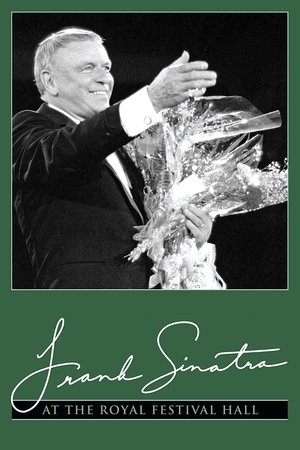
Frank Sinatra: In Concert at the Royal Festival Hall was an CBS musical television special starring Frank Sinatra broadcast on February 4, 1971, of a concert given by Sinatra at London's Royal Festival Hall on November 16, 1970. The special was directed by Bill Miller, and produced by Harold Davison. Sinatra was introduced on stage by Grace Kelly. Kelly had starred alongside Sinatra in the 1956 film High Society, the last film she made before her marriage to Rainier III, Prince of Monaco. Sinatra had been follicularly challenged for many years, hence all the hats in publicity stills, album covers etc. TV directors were forbidden to photograph him from the back because of this. However, at this concert, Sinatra had completed a very successful hair transplant and deliberately turned his back on the main audience a couple of times to acknowledge the audience sitting backstage, along with running his hand over the back of his head to draw attention to his new coiffure.
Documentary portrait of José Domínguez Muñoz, better known as "El Cabrero" (French for "the goatherd"), Spanish libertarian flamenco singer born in Aznalcóllar, province of Seville, in 1944 and filmed over two weeks in 1988 in Seville, Aznalcóllar, La Carbonería de Sevilla and Marinaleda, and in concert at a recital in Bayonne. Politically committed, El Cabrero defines himself as a libertarian. Since the 1970s, he has been close to the anarchist movement. For many years, he was a member of the anarcho-syndicalist Confédération Nationale du Travail.
Uma Nova Paixão
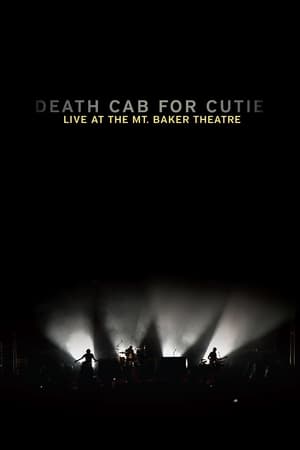
On April 22 and 23, 2009, Death Cab for Cutie returned to Bellingham, WA, where they had formed over ten years prior, to perform two sold-out concerts at the historic Mt. Baker Theatre. This film features previously unreleased performances from these two very special nights as well as interviews with band members about the band's early days in Bellingham.
"Sumergidos en Atlántico" is a mini documentary that we started filming at the beginning of this whole project. Combining it with the EP was not easy, and there came a time when we decided that the best thing was to stop and dedicate all our energy to Atlántico. But when we found out that we were going to play at the Beatout, we wanted to take it back and document how we experienced the concert and the days leading up to it. This is the result of putting together the footage from before, during and after an entire stage. With it we close what we opened with Atlántico, and we face next year with new ideas and projects.
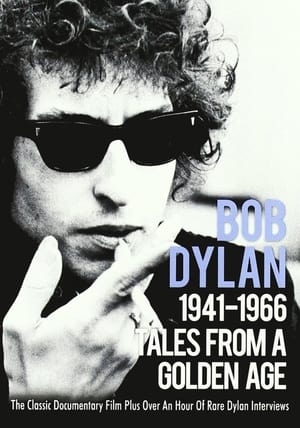
Tracing his career up to the point of his 1966 motorcycle accident and subsequent disappearance from the spotlight, this unauthorized documentary uncovers a side of Bob Dylan never revealed before. Includes extensive interviews and rare footage.
It's the musical phenomenon of the moment: K-Pop, short for "Korean Pop," has taken the world by storm in just a few years. But behind the powerful lyrics, elaborate choreography, and polished looks lies a ruthless industry.
American Failure takes an in-depth look at the music scene in Boone, North Carolina, focusing on local bands Babe Haven, Galloway, Kiss it Make it Better, Educated Guess, Solastagia, and Cigarettes @ Sunset. Through a mix of full-band and individual interviews, live performances at local venues, and behind-the-scenes footage, we follow these bands as they navigate Boone’s DIY music culture before and after the COVID-19 pandemic.
"BDZ" Arena Tour is the first Japanese concert tour by TWICE. The first show was held on September 29, 2018, at Makuhari Messe in Chiba, Japan.
A video series following Maggie Lindemann as she meets her fans and performs on stage at every stop of her tour.
This 2005 documentary film chronicles the life of Daniel Johnston, a manic-depressive genius singer/songwriter/artist, from childhood up to the present, with an emphasis on his mental illness and how it manifested itself in demonic self-obsession.
Welcome to the Videos is a DVD released in 1998 featuring music videos made by Guns N' Roses between 1987 and 1994.
From the [ACT] concert and European tour in 2024 to the Seoul [NEW EPISODE] performance in 2025, This movie depicts Kang Daniel's journey as an artist. A person's growth and art, through gorgeous stages, behind-the-scenes stories, and candid interviews. And it delicately portrays the sincere connection with fans around the world.
Dance Alone
This spectacular live concert, filmed at London’s O2 using the latest Ultra High Definition 4K technology by renowned director Hamish Hamilton, captures Peter Gabriel’s celebration of the 25th anniversary of his landmark album “So”. To mark the event Gabriel reunited his original “So” touring band from 1986/87 – Tony Levin, David Rhodes, David Sancious and Manu Katché - and for the very first time fans saw them play the multi-platinum selling album in its entirety. But the concert is much more than just a nostalgic trip down memory lane; delivering performances of new and even unfinished material alongside acoustic re-workings and a plentiful supply of classic favourites, broken down into three sections. What Peter calls “the starter, the savoury course and the dessert”.
A city that has been living for two years with the law that prohibits "clandestine parties". A youth who, when reunited, risks receiving a police raid on their doorstep, in the street, in the park or in the square. Spatial segregation, denial of the right to the city and public space for the leisure of the poor, black and peripheral. Willingness to make art, create music, lyrics, poetry, beats, hits and spread culture in this repressive scenario.
A look back at the violent conflict between the two leading figures of musical modernity, Arnold Schönberg and Igor Stravinsky, in the first decades of the 20th century. Although Arnold Schönberg and Igor Stravinsky both had a decisive influence on the fourth art, their creations remained diametrically opposed. While the Austrian developed the dodecaphonic method, placing the twelve notes of the chromatic scale at the heart of the composition technique to the detriment of tonality, his Russian rival based his practice on stylistic eclecticism. Their supporters formed two opposing camps, and the two composers - one the father of the Second Viennese School, the other of Neoclassicism - became, in the wake of their successes, the figureheads of a conflict that marked the history of music by its duration and intensity.