Filmed mostly with drones, this short film shows what happened before, during and after the devastating earthquake that struck Mexico City in September 19, 2017. Through sound recordings of the rescue operations, accounts from survivors and journalistic chronicles, this film reflects the uncertainty and bewilderment caused by the quake.
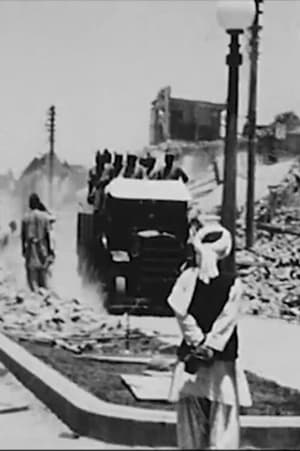
The film is set on September 1th, 1923 , when a huge earthquake hits Tokyo . The quake caused buildings to collapse, and the city was reduced to ashes by fire. The Great Kanto Earthquake killed more than 105,000 people. 100-year-old films recording this catastrophe have been found all over the country.But who filmed the turmoil of Tokyo, chased by raging fires?After investigating, I come across three cameramen. They turned the hand-cranked camera in a trance without being ordered by anyone.
"1985: Heroes among Ruins" is a reflection of disaster. It is about the human solidarity, the search and rescue and the importance of civil protection, but above all, the triumph of the people over devastation during the earthquake of September 19, 1985 in Mexico City and the one ocurred in September 19, 2017.
A Place of Our Own
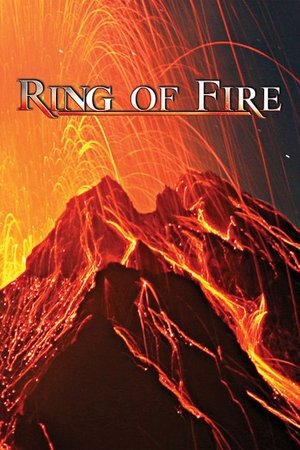
Ring of Fire is about the immense natural force of the great circle of volcanoes and seismic activity that rings the Pacific Ocean and the varied people and cultures who coexist with them. Spectacular volcanic eruptions are featured, including Mount St. Helens, Navidad in Chile, Sakurajima in Japan, and Mount Merapi in Indonesia.
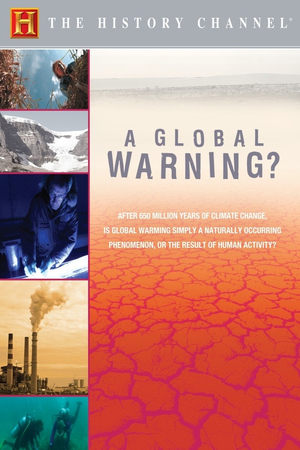
Global warming in context. What the climate of the past tells us about the climate of the future.
On Oct. 17, 1989, at 5:04 p.m. PT, soon after Al Michaels and Tim McCarver started the ABC telecast for Game 3 of the World Series between the San Francisco Giants and the Oakland Athletics, the ground began to shake beneath Candlestick Park. Even before that moment, this had promised to be a memorable matchup: the first in 33 years between teams from the same metropolitan area, a battle featuring larger-than-life characters and equally colorful fan bases. But after the 6.9 Loma Prieta earthquake rolled through, bringing death and destruction, the Bay Area pulled together, and baseball took a backseat.
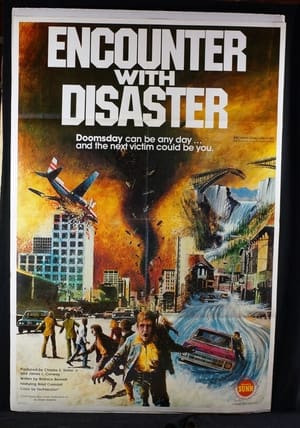
Depicts assorted natural and human disasters, including the crash of the Hindenburg (1937), earthquakes in Alaska (1964) and Long Beach (1933), the LeMans auto racing crash at which 82 people were killed (1955), Hurrican Camille (1964), the eruption of the Mt. Etna volcano (1971), a tornado (1974), the collapse of Idaho's Teton Dam (1976), the sinking of the Andrea Doria (1956) and the Texas City explosion which devastated Galveston (1947).
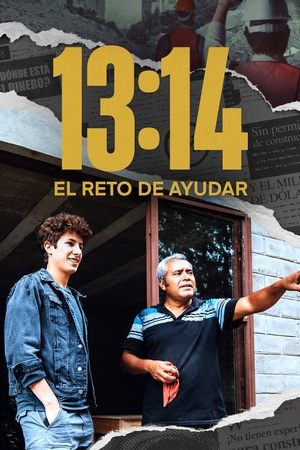
On September 19, 2017, at 1:14 p.m., an earthquake devastated Mexico City and its environs. Immediately, citizens mobilized to help, including the actor and youtuber Juanpa Zurita who quickly organized a group of friends that included singers, actors, content creators and other celebrities from the world of entertainment who helped him raise funds for the reconstruction of the city.
On May 12, 2008, a catastrophic earthquake hit Sichuan Province in rural China, killing nearly 70,000 people, including 10,000 children. In town after town, poorly constructed school buildings crumbled, wiping out classrooms filled with students, most of them their parents' only child. But when grieving mothers and fathers sought explanations and justice, they found their path blocked by incompetence, corruption and empty promises.
A powerful, uncensored and insightful documentary built around raw, heartfelt, never-seen-before, interviews captured in the immediate aftermath of the February 22nd 2011 earthquake in Christchurch. Survivors share their stories of panic and heart-breaking loss, courage and miraculous survival.
On 11 March 2011, an earthquake caused a tsunami to hit the Tōhoku (Northeast) region of Japan. In this film, survivors of the tsunami rebuild as cherry blossom season begins. The film is a stunning visual haiku about the ephemeral nature of life–and of the healing power of Japan's most beloved flower.
The Japanese population’s reaction to the catastrophe of March 2011 has been described as “stoic” by the Western media. The Japanese code of conduct is indeed deeply rooted in their Buddhist traditions, and young filmmakers Tim Graf and Jakob Montrasio observe in detail what this means for the people and their religion. At graveyards, in temples, at monasteries and with families, they question the impact this triple affliction has had on the lives and beliefs of the inhabitants. How deeply do their beliefs affect their grieving? What role do the monks play in assisting people with their grief? And, what effects has this enormous catastrophe had on their religious rituals? SOULS OF ZEN inserts the events of March 2011 into the context of traditional Zen Buddhism, examining Japan’s religiousness and the beliefs of those practising it at a crucial turning point.
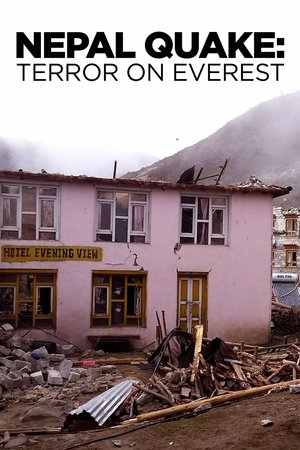
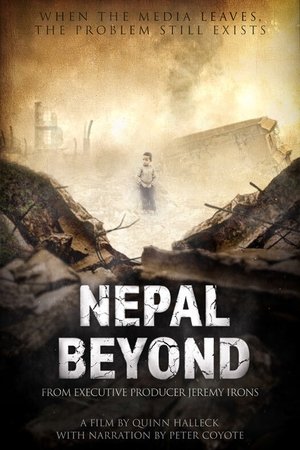
Four years after the devastating Gorkha earthquake, the people of Nepal still live everyday with the problems the world left behind.
La legge del terremoto
The Radiant explores the aftermath of March 11, 2011, when the Tohoku earthquake triggered a tsunami that killed many thousands and caused the partial meltdown of the Fukushima Daiichi nuclear power plant on the east coast of Japan. Burdened by the difficult task of representing the invisible aftermath of nuclear fallout, The Radiant travels through time and space to invoke the historical promises of nuclear energy and the threats of radiation that converge in Japan in the months immediately following the disaster.
After the earthquake, my grandmother is facing the loss of her apartment.
"Skoplje '63" is a 1964 Yugoslavian documentary film directed by Veljko Bulajić about the 1963 Skopje earthquake (Skoplje, per film title, is the Serbo-Croatian spelling of Skopje). The filming started three days after the earthquake and lasted for four months. After that, Bulajić spent 12 months editing the footage at Jadran Film studios.
Nepal Quake: Terror on Everest
There's no definitive separation as long as there is memory'. Since the Tsunami hit the northern part of Japan's coast in 2011, more than 20 thousand people lost their lives, and many others are still missing. As time went by the families of the victims abandoned all hope and stopped looking for their loved ones. However, this is the story of two men that are still fully committed to their respective searching activities. Even though their backgrounds are extremely different, both share a strong force of will and firmly wish to keep alive the memories of the ones that went missing. Perseverance is what pushed an ex-convict to look for redemption by helping the victims' families to find the remains of their loved ones, and perseverance is what brought a bus driver to start to dive in order to search for his wife.