An urban guerrilla, wounded after a bank robbery, seeks refuge with his childhood friend—only to discover that his friend has fallen into addiction. The guerrilla hides in his house and gradually begins to influence him, helping him regain his courage and strength. Eventually, he entrusts the stolen money to him…
Dash Akol is greatly respected in Shiraz as an honorable man who has lost his family's money through helping his friends. He has an enemy, however, named Kaka Rostam, a mean and spiteful person. Dash Akol, who is in his forties, falls in love with Marjan, daughter of the late Haji Samad, for whose estate he is the executor. But he keeps his love secret. One day a suitor asks for Marjan's hand, and Dash Akol considers it against his code of honor to refuse. On the night of the wedding, Dash Akol hands over responsibility for the family to the bridegroom. As he is leaving the house, however, Kaka Rostam is waiting for him and a fight ensues. Kaka Rostam stabs him in the back, but Dash Akol succeeds in killing him. On his deathbed, Dash Akol sends his parrot to Marjan with the confession of love he has taught it.
Valeh, a member of a leftist organization, is arrested by the SAVAK and sentenced to death. In prison, he reconsiders his relationships with members of his political cell, and begins to doubt the validity of the ideas for which he is condemned. At the same time, his comrades pressure him to make a sacrifice for their cause, and his beloved wife experiences personal problems and economic hardships.
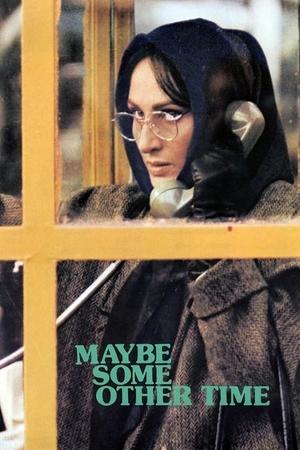
You're waiting,aren't you?
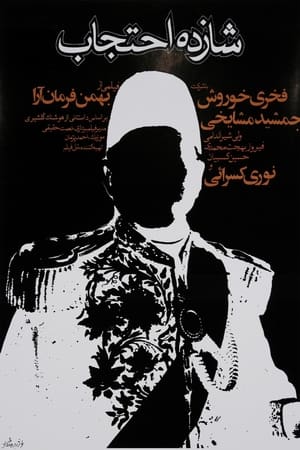
Prince Ehtejab, one of the last remaining heirs of the Qajar royal family, is suffering from tuberculosis, which he knows is fatal. He spends his last days alone in the magnificent rooms of his wintry palace, from where he recollects the glory days of his ancestors as well as days of degradation. Among the latter are the gruesome manner in which his cruel grandfather murdered his mother and brother, and the way that he himself caused the death of his wife.
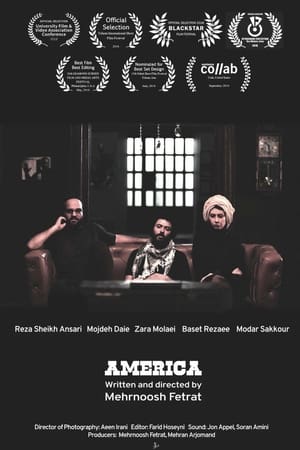
An Iranian journalist couple wants to move to America to escape the difficulties of their country. The woman receives her visa but her husband doesn't. He stays in Iran and watches his wife find success on television and falls into a state of depression.
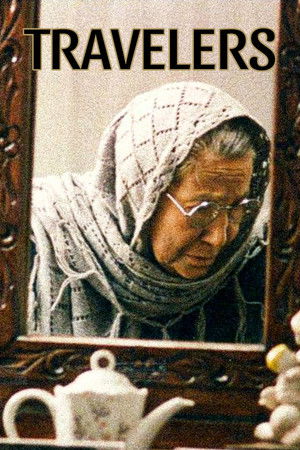
A wedding day becomes a ritual of mourning when the bride's family die in an auto accident. Refusing to accept her daughter's death, and in the midst of guests and mourners, including the drivers that caused the accident, the mother orders the wedding to move forward. But how can the bride marry in the midst of a wake and without the family's traditional mirror, which the sister was bringing to the service?
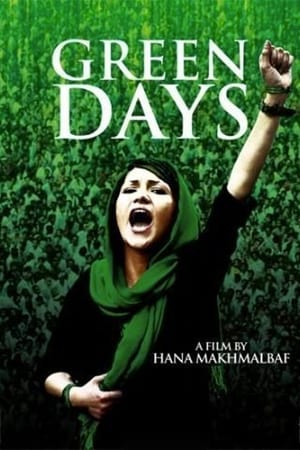
A playwright Iran tries to confront a creative crisis while political clashes erupt during her country's 2009 election.
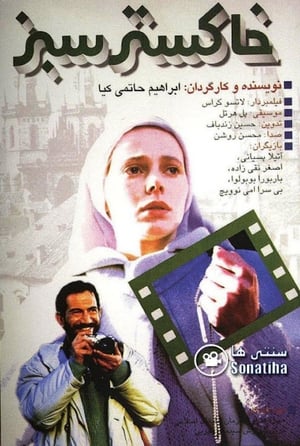
A filmmaker named Hadi is sent to Croatia to complete his research for a film. Aziz, Hadi’s friend, gives him a cassette tape, a piece of image, and a half a piece of plaque in order to find a girl named Fatima. Alongside a Farsi-speaking Bosnian woman, Hanifa, Hadi begins his quest for Fatima.
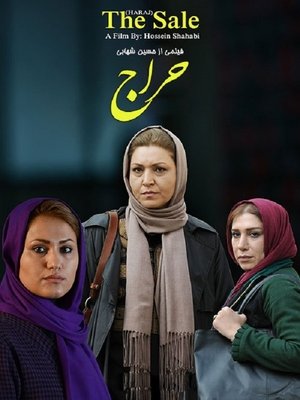
Forough is a middle aged woman whose husband has temporarily married with another woman. Even though that was kept secret from her, but his action is considered legal in Iran. Now the husband is in prison, due to not being able to pay second wife’s “Mehrieh” (the bride’s marriage portion).The second wife intends to receive her Mehrieh by asking the court’s permission to sell his house. Forough, the first wife, in order to not lose her home, intends to sell all she has to pay for her husband’s debt and release him from the jail.
Five psychological thrilling tales about the emotions that can destroy our souls: despair, temptation, guilt, doubt and anger. Which one has the worst consequence?
Famed actress Susan Taslimi plays three roles here: Kian, who doubts her identity; Vida, the twin sister, a self-assured artist; and their mother, who gives up one child out of fear of poverty, then deprives the other of affection due to deep regrets regarding the child whom she has abandoned.
Les poupées persanes
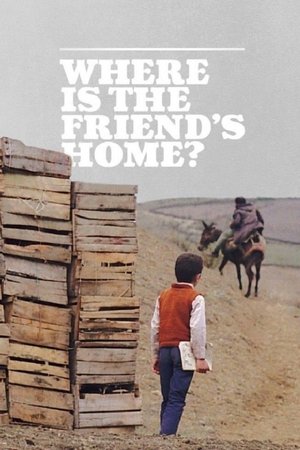
An 8-year-old boy must return his friend's notebook he took by mistake, lest his friend be punished by expulsion from school.
Irreverent city engineer Behzad comes to a rural Kurdish village in Iran to keep vigil for a dying relative. In the meanwhile the film follows his efforts to fit in with the local community and how he changes his own attitudes as a result.
In the middle of a midlife crisis, Sacha leaves his girlfriend and moves into his grandparents' Airbnb. There he meets Marjan, a married Iranian woman. The involuntary encounter becomes a moment of new possibilities.
Mina’s family has introduced her to few potential husbands in Iran. She has rejected them all until she meets Kian, a surgeon who has travelled from Germany in search of a wife.
A computer screen, images from the four corners of the world. We cross borders in one-click while another trip’s story reach us in bits, through text messages, chats, phone conversations, and an immigration office’s questionnaire. It’s the journey of Shahin, a 20-year-old Iranian boy who, fleeing his country alone, lands in Greece, then winds his way to England where he claims asylum.
An unassuming mechanic is reminded of his time in an Iranian prison when he encounters a man he suspects to be his sadistic jailhouse captor.
Leyla and her six-year-old daughter Nila live in the holy city of Mashhad in Iran. Nila is the result of a temporary marriage, which allows a man to marry a woman even if he is already married. Children born from such a relationship are legally non-existent. As long as the father does not recognize the child, no birth certificate can be issued and Nila cannot attend school. The documentary depicts Leyla's tireless efforts to clarify Nila's legal status in order to offer her a perspective for her future. In a never-ending bureaucratic battle, Leyla fights not only against the legal system, but also against a judgmental society.