In a Azerbaijan, in the beginning of this century, the first films made in the history of cinema are shown.The characters meet each other in a room. Three characters who will witness the linking up of their destinies through their common love for this new captivating art.
Film exposes the corruption and the decadence of the late Soviet bureaucracy in Azerbaijan SSR through the eyes of a naive Azerbaijani adult man, Hatem.
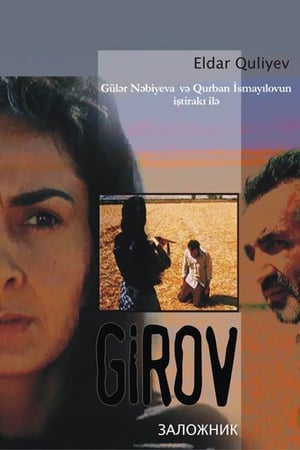
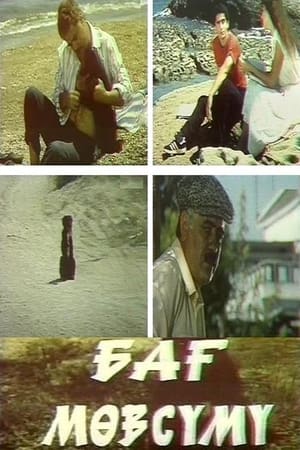
During the late 1980s and early 1990s the Armenian minority in Nagorono-Karabakh attempted to break away from Azerbaijan, one of the former Soviet republics. Overnight these former neighbors became enemies, and simple village folk were suddenly made hostages in a complex power game. One of the Azerbaijani villages right on the border is home to the family of the peasant farmer Kerim, who has just been captured by the Armenians. The village council decides to take an Armenian in order to arrange a hostage exchange. They imprison the wounded man in the barn next to Kerim's house, where his wife and three children desperately await the husband's return. The captive from the other side of the border finds himself in exactly the same situation - he, too, has three children, he finds it hard to scrape a living together, he has never done anything to harm anyone and, like Kerim, he just wants to go back home. But life in Karabakh is far more complex now. Blood calls for blood.
The film reveals the contradictions between the "educating" teachers and the "educated" students in the school, which is actually an orphanage and a boarding school, where lawlessness, violence, hypocrisy, and cruelty prevail. Forced to live in such contradictory conditions, but unable to adapt to these conditions, little Ahsan, who misses his native home, finds the only way out - he perishes by throwing himself out of the window. The film was shot on the basis of the motifs of Isi Malikzade's story "Nowruz Holiday of Wanderers".
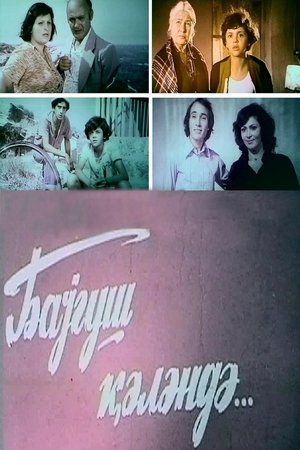
This lyrical psychological film is about true friendship. The characters in the film are contemporaries in of late 1970s Azerbaijan SSR with differing visions of the world, yet sharing true and lasting friendship.
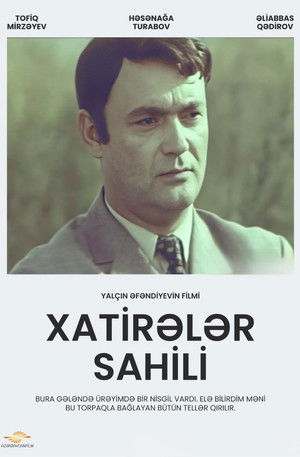
Xatirələr Sahili
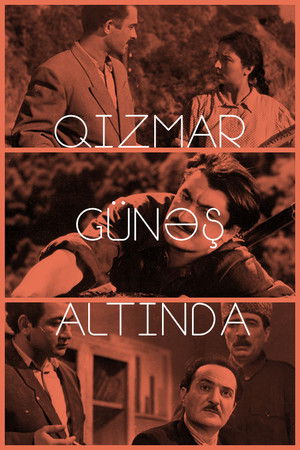
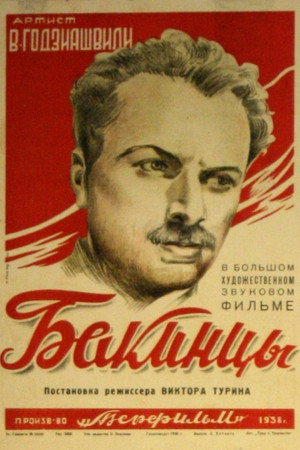
The film is about dramatic revolutionary events happened in 1918 in Baku.
The film is about the stepmother who tried to be a real mother of a boy. But she could be a real mother only after some difficult events for her and child.
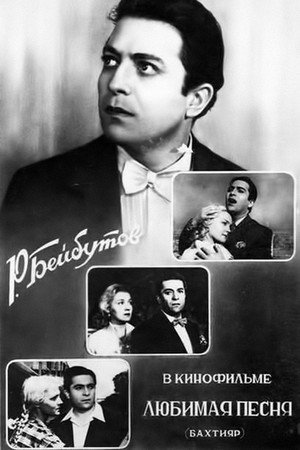
The film is about oilman who had beautiful voice. He didn't attach great importance to his friends is advice to get special music reward. But he changed his attitude to art under the influence of his friends.
The hero of the film coming to the village for a short while decided to stay there by his medical duty.
The film is about the boy who got under bad when influence after losing his family he faced with tragic events.
Rasim, a young mechanic, meets Surayya and falls in love with her. But he is dragged into Shirmammad's wrongdoings; Shirmammad is Surayya's father and the leader of a gang of poachers. Realising his fault, Rasim tries to convince Surayya to stop trafficking in stolen fish. After a long period of reflection, Rasim becomes aware that he cannot go against his conscience, even for love's sake.
The film is about young girl and her first love.
After the novelette of the same name of M.Ibrahimbeyov. Tahir is twelwe. His parents are seperating and he is troubled by incident which impels his guestion the nature of relations between men and women.
The film tells the story that takes place in one of the gardens of Baku, about an honest bus driver, Agababa, who lives by high moral standards, and his large family.
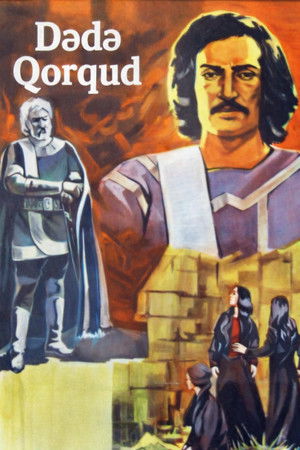
Legend of Azerbaijanian people "Kitabi Dada - Gorgud" is about damatic events, about Dada Gorgud.
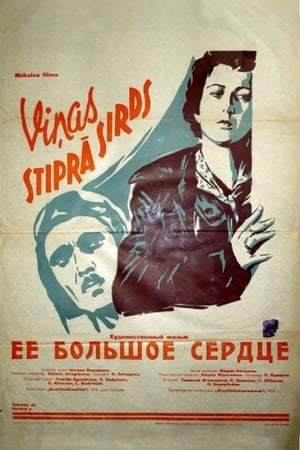
This is a story about World War II. The adultery of her husband didn't wreck her life because she could stand all difficulties with a little help of her faithfull friends.
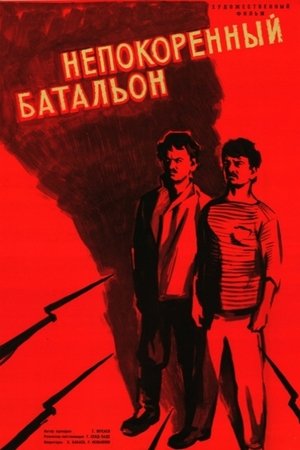
The film is about the revolution which began bacause of dissemination of Bolshevik ideas among workers.
The film is about events which has happened with the "Potyomkin" ship.
After the story of the same name of S. Veliyev. It's devoted about life concerns of oil workers and their children.