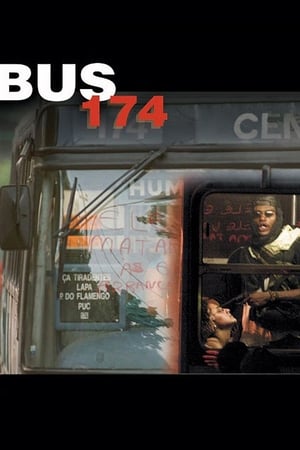
On 12 June 2000, in Rio de Janeiro, Ônibus 174 was taken by an armed young man, threatening to kill all the passengers. Transmitted live on all national networks, this shocking and tragic event became one of violence's most shocking portraits, and one of the most terrifying examples of police incompetence and abuse in recent years.
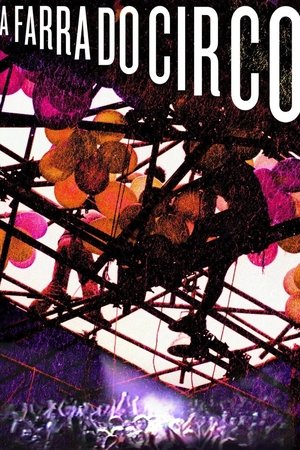
This documentary highlights the evolution of Brazil's Circo Voador venue from homespun artists' performance space to national cultural institution.
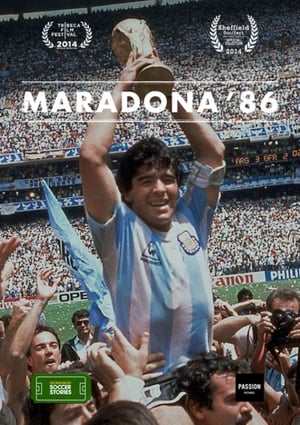
In the 1986 World Cup, Diego Maradona, the world's greatest football player, reached his apotheosis, redefining what is possible for one man to accomplish on a football pitch. His ability to take control of the ball -- the game -- an entire tournament -- split the world in two. It was both illuminating and an affront, beguiling and an outrage, and the fervor that surrounded him was unprecedented, bordering on the religious. Constructed from archive material, "Maradona '86" is an ode to this ultimate footballing idol, basking in the operatic intensity of his performance in Mexico as he wrote his name on football history forever.
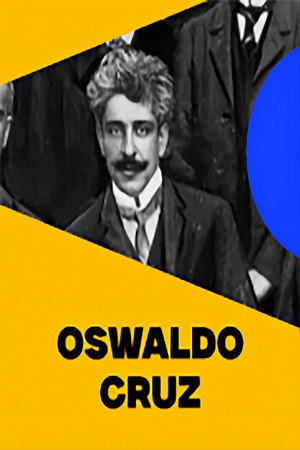
The film documents the old Rio de Janeiro and its great focus of diseases. Stresses the decisive importance of Oswaldo Cruz who creates Experimental Medicine in Brazil, believing that without sanitation, no undertaking could succeed. Rodrigues Alves then started the urbanization of Rio, against great interests.
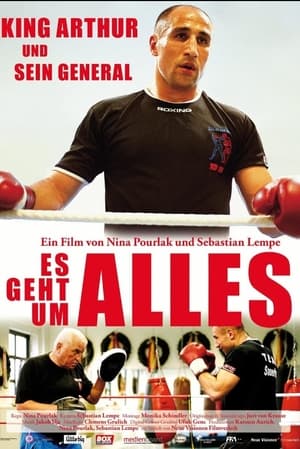
Es geht um Alles
via print and film, love and music, state propaganda and people's archives, five-year plans and Emergency.
Fenda
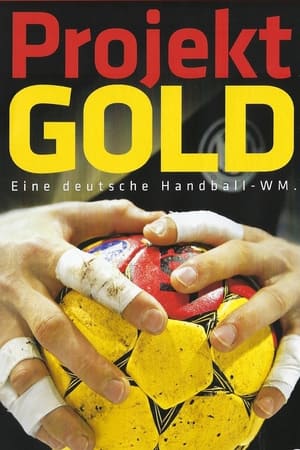
Documentary shows the German national handball team on their way to winning the title at the 2007 World Cup in their own country.
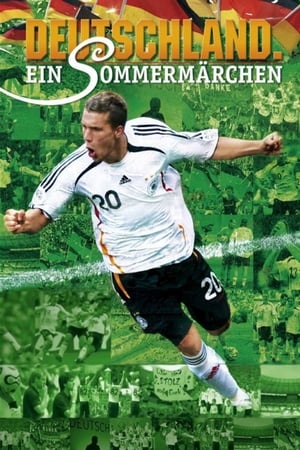
A documentary of the German national soccer team’s 2006 World Cup experience that changed the face of modern Germany.
Tradição e Herança Ancestral - A história dos Mestres de Folias de Reis de Nova Iguaçu
Rap de Saia is a documentary that reports, through the voices and rhymes of the protagonists themselves, part of the historical trajectory of Female Rap in the State of Rio de Janeiro. In addition to its historical trajectory, Rap de Saia brings a collection of themes that leads us to reflect on women in today's society.
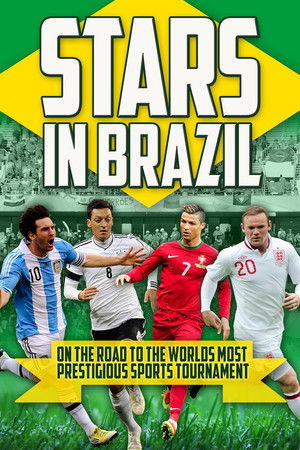
The ultimate guide to the players on the road to Rio. Ahead of the world football tournament in June & July, Stars in Brazil celebrates ten of the world’s most talented players on the road to Rio. From Cristiano Ronaldo’s breathtaking skills to the brillance of Wayne Rooney, Stars in Brazil offers detailed player profiles, fantastic footage and exclusive interviews with football experts.
The Mangueira slum is the scenario where Tantinho and the old samba composers remember stories about the slums and samba.
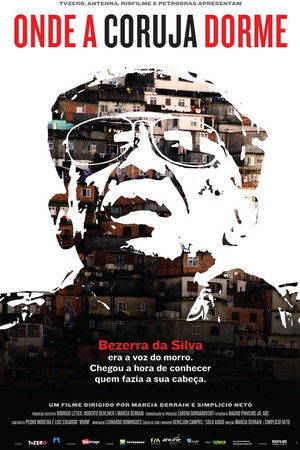
Documentary about the singer Bezerra da Silva and the relation with his composers.
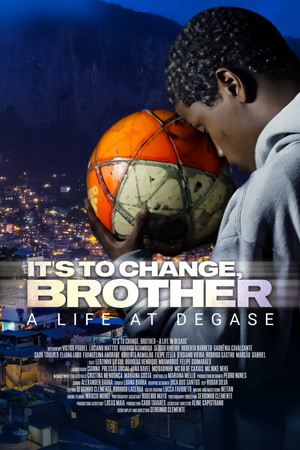
É Pra Mudar, Muleke - Uma Vida no DEGASE
This documentary follows the French soccer team on their way to victory in the 1998 World Cup in France. Stéphane Meunier spent the whole time filming the players, the coach and some other important characters of this victory, giving us a very intimate and nice view of them, as if we were with them.
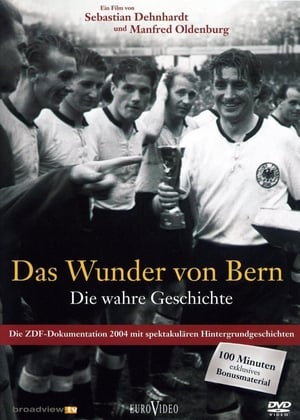
Das Wunder von Bern - Die wahre Geschichte
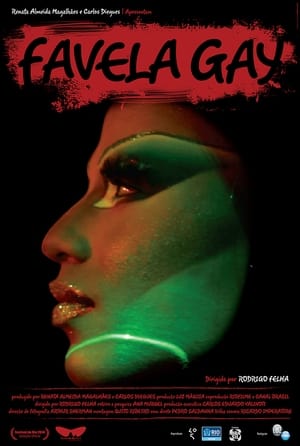
Favela Gay tells the story of eleven individuals in their own words. Living in eight slums (favelas) in Rio de Janeiro, these members of the LGBTQ community – two transgender women, a crossdressing man, a travesti prostitute, a famous carnival dancer, two community activists, and even a young man who used to be transgender, but transitioned back – have fought prejudice and seen some of the most unsavoury sides of the city.
Buffa e Morales: storie di fútbol
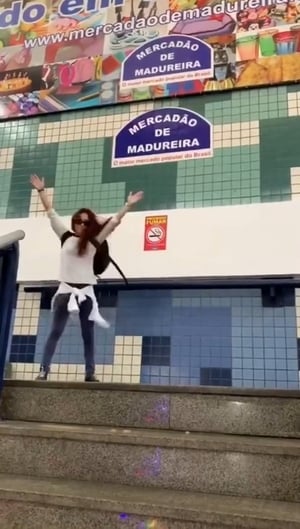
An livid and comic presentation of Madureira in Rio de Janeiro.