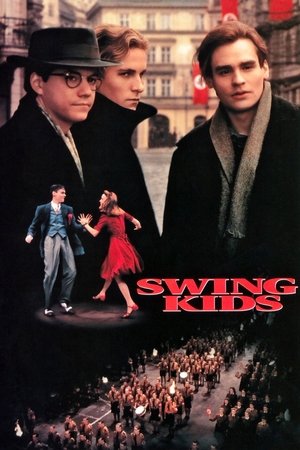
The story of a close-knit group of young kids in Nazi Germany who listen to banned swing music from the US. Soon dancing and fun leads to more difficult choices as the Nazis begin tightening the grip on Germany. Each member of the group is forced to face some tough choices about right, wrong, and survival.
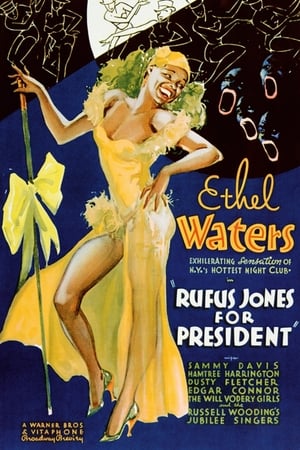
A fantasy satire on politics in which a little boy dreams that he becomes President of the U.S. and his 'mammy' is Vice President. The film spotlights two now legendary performers much earlier in their careers: Ethel Waters and Sammy Davis Jr. In his first screen appearance, around the age of seven, pint-sized Davis sings, dances and clowns. Nicknamed 'the beanpole' slim and slinky Waters looks far different from the heavier figure she displayed in Pinky (1949) and Member of the Wedding (1953). Statuesque in a long glamorous white gown, she sings her big hit "Am I Blue." Davis, in turn sings "I'll Be Glad When You're Dead You Rascal You." (Separate Cinema)
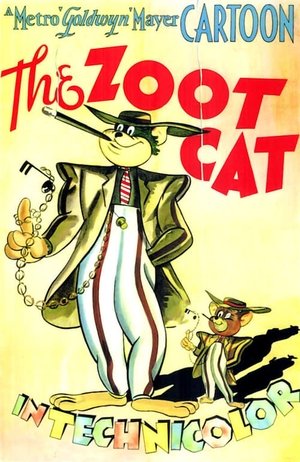
Tom's advances on a young jive-talking girl cat get nowhere; nowhere, that is, until Tom gets a zoot suit. Armed with his miles of fabric and a new cool lingo, Tom still has to deal with the tricks of his nemesis, Jerry.
A little girl dreams that she's in Mother Goose Land filled with all sorts of Hollywood movie stars.
A short documentary film that starts from the story of Montxo Rejano and approaches people excluded from society who live like shadows, in a kind of limbo, in a kind of eternal night and condemned to perpetual waiting and to subsist in a world without light. They once had lives like everyone else, but in the cold and the dark it's very easy to forget that.
When a limping elephant is reported in the Kasigau Corridor REDD+ Project, conservation pilot Keith Hellyer springs into action. Alongside rangers and vets, he undertakes the dangerous task of locating, darting, and treating the injured animal - offering a lifeline in the face of human-wildlife conflict.
The American Southwest is a feature length blue chip natural history film narrated by indigenous environmentalist Quannah Chasinghorse. The movie journeys down the mighty Colorado River, examining the astonishing beauty and biodiversity of the region, while confronting the environmental destruction from dams and the perilous fate of the river. The story is told through never-before-seen wildlife sequences such as beavers building wetlands, condors recovering from the brink, and the potential return of Jaguars to American soil. The film beautifully advocates for better management of the river and increased wildlife conservation efforts in the iconic landscapes of The American Southwest.
Making of the film "Maputo Nakuzandza", by Ariadine Zampaulo.
Documentary film promoting Imperial Airways, focusing on the many stages involved in air travel, with the majority of scenes featuring aerial shots from an aeroplane.
A kaleidoscopic snapshot of urban gay life during the gay liberation era — or at least how it looked in the movies.
The story of an Eskimo father and son who train and groom a sled dog team. When the father is lost on an ice floe, the son takes the unproven team on the search, and succeeds in finding his father.
Behind-the-scenes retrospective on the cult classic horror film.
This short film presents a lively discussion between black and white youths at the interracial club in Halifax, touching on racial discrimination in employment, housing, education and interpersonal relations.
A girl gets on a tram and bursts out in song. Soon, other passengers join and one by one reveal their innermost secrets. A musical about the boundary between the private and the collective.
Delves into the history of the most extreme and shocking films that have ever been made. chronicles the timeline of Red Films: those films that are too extreme for the mainstream and historically have been circulated via the bootleg circuit.
This segment involves a pop-up book trip through the Brazilian state of Bahía (spelled Baía in the film), as Donald and José meet up with some of the locals who dance a samba and Donald pining for one of the women, portrayed by singer Aurora Miranda.
Contrasting artistic visions, misplaced confidence and blatant ignorance collide on the backdrop of an increasingly fragile and divided world. Two stubborn Scottish filmmakers struggle to make a short film together in the Austrian Alps.
This is the story of a group of Mexican children who celebrated Christmas by re-enacting the journey of Mary, the mother of Jesus and Saint Joseph searching for room at the inn. "Posada" meant "inn", or "shelter", and their parents told them "no posada" at each house until they came to one where they were offered shelter in a stable. This leads to festivities including the breaking of the piñata, which in turn leads to Donald Duck trying to break his own piñata as well.