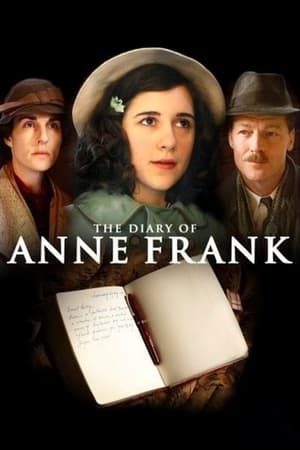
Five-part adaptation of Anne Frank's famous wartime diaries in which a young teenager and her family go into hiding from the Nazis in wartime Amsterdam.
Americans consider themselves a 'nation of immigrants', but as the catastrophe of the Holocaust unfolds in Europe, the U.S. prove unwilling to open its doors to more than a fraction of the hundreds of thousands of desperate refuge seekers. Through riveting firsthand testimony of witnesses and survivors who as children endured persecution, violence and flight as their families tried to escape Hitler, this three-part documentary series delves deeply into the tragic human consequences of public indifference, bureaucratic red tape and restrictive quota laws in America. Did the nation fail to live up to its ideals? This is a history to be reckoned with.
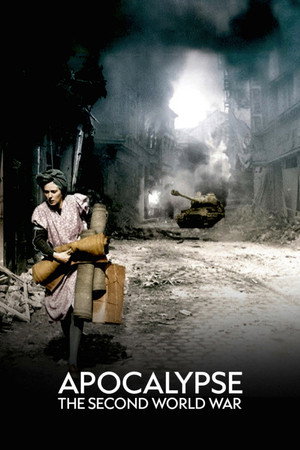
A six-part French documentary about the Second World War composed exclusively of actual footage of the war as filmed by war correspondents, soldiers, resistance fighters and private citizens. The series is shown in color, with the black and white footage being fully colorized, save for some original color footage. The only exception to the treatment are most Holocaust scenes, which are presented in the original black and white.
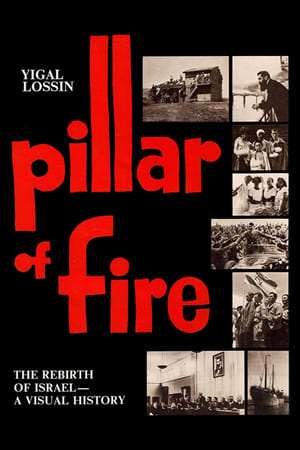
Pillar of Fire focuses on the History of Zionism, beginning in 1896, in the wake of Theodor Herzl's revival of the concept of Jewish nationalism and continues to follow the Jewish People in the 20th century, the early stages of Zionism, followed by the waves of Aliyah prior to the founding of Israel, the Revival of the Hebrew language, the Ottoman Empire's rule in over the Land of Israel, the British Mandate, Anti-Semitism in Europe, the rise of Nazism and The Holocaust, the history of the Yishuv, the Jewish struggle for independence, and ends in 1948, with the Israeli Declaration of Independence.
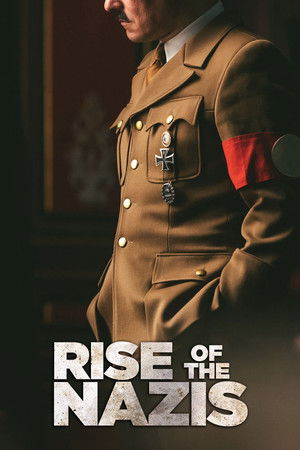
Explores the Third Reich from a contemporary perspective to investigate how the Nazis managed to conquer Germany and then half of Europe in the wake of World War I.
Following the attack on Pearl Harbor, the extended Henry and Jastrow families navigate thevpersonal, social and political impacts of World War II, including the Holocaust, the Battle of the Bulge, and the Pacific theater.
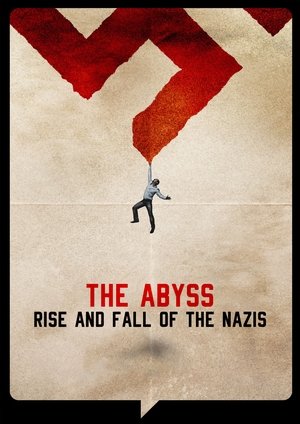
How did 20th Century Europe's most liberal democracy fall into the hands of fascists? From Hitler's political scheming that turned Germany's parliament into a House of Cards, his War on Truth leading to book burning, and his scapegoating of minorities, this series explores in extraordinary detail the events leading up to the outbreak of World War II.
A Cleveland grandfather is brought to trial in Israel, accused of being the infamous Nazi death camp guard known as Ivan the Terrible.
When World War II breaks out in 1939, several people from different countries and social backgrounds must decide which cause they want to defend.
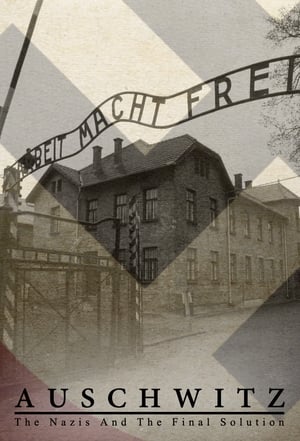
This documentary series tackles one of history's most horrifying subjects: the Holocaust and the infamous Auschwitz-Birkenau concentration camp.
Hell on Earth
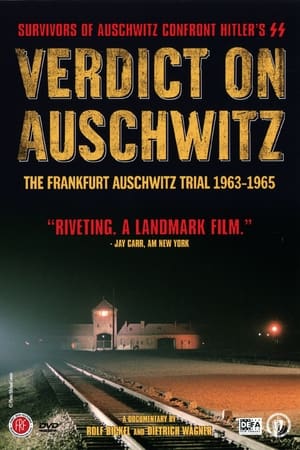
This documentary re-creates the momentous Frankfurt trial. Rolf Bickel and Dietrich Wagner build the film around taped testimony from more than 200 Auschwitz survivors. Twenty-two former members of Hitler's SS, many of whom had carved out comfortable lives for themselves in postwar West Germany, stood trial in 1963 before 360 witnesses who accused them of murdering millions.
Hitlers Eliten nach 1945
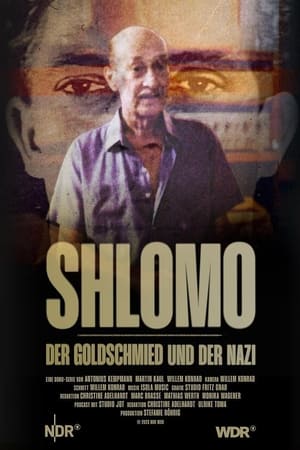
Shlomo - Der Goldschmied und der Nazi
Against the backdrop of world events that led to the Japanese attack on Pearl Harbor in 1941, Victor 'Pug' Henry is a career naval officer who, along with his family, learns to navigate the waters of his dangerous times in the late 1930s.
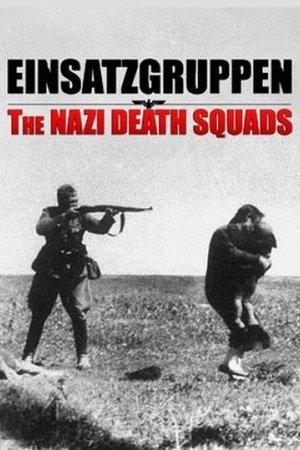
This documentary series examines the Einsatzgruppen, Nazis responsible for the mass murder of Jews, Romani and Soviet prisoners in Eastern Europe.
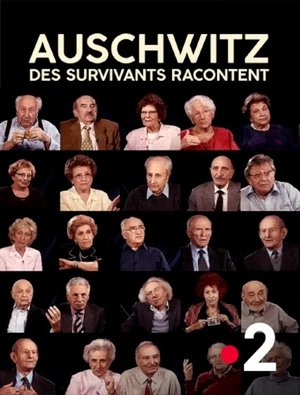
They are among the very few survivors. 44 survivors testify. How do you get out of Auschwitz, how do you rebuild yourself? How do you talk about this ultimate experience and also how do you pass it on?
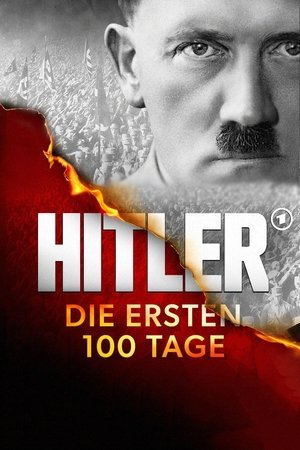
It is customary to give every new government 100 days to draw an initial summary of its work, its successes, its failures, its prospects. A “grace period” that also applied to Chancellor Adolf Hitler. However, he uses them more radically for his goals than anyone before him. This is what this series tells about – as a canon of contemporary voices. Diary entries from all over Germany document different perspectives, perceptions and very private things. How can a civilized country, a democratic state, turn into a brutal dictatorship in just a few weeks?
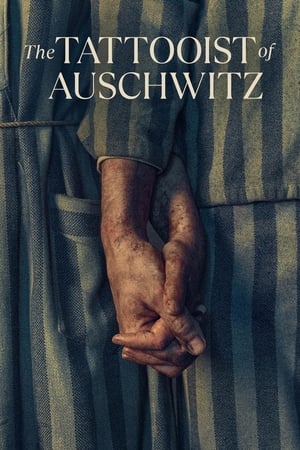
The powerful real-life story of Lali Sokolov, a Jewish prisoner who was tasked with tattooing ID numbers on prisoners' arms in the Auschwitz-Birkenau concentration camp during World War II.
Berlin, Germany, 1935. The day Karl Weiss, a Jewish painter, and Inga Helms, a Christian woman, marry, is the one in which both of them and the entire Weiss family are caught up in the maelstrom of the Nazi regime, the storms of World War II and the horrors of the criminal Final Solution, the Holocaust, the Shoah; while Erik Dorf, an ambitious lawyer, undertakes his fall into hell at the hands of the sinister Reinhard Heydrich.