This story began in the seventies. Then the American ornithologist George Archibald turned to Soviet scientists led by Vladimir Flint with a proposal to cooperate in the protection of the white Siberian crane. This species was little studied and was considered endangered. Since then, we know much more about white cranes. Now on Earth there are two disparate populations of Siberian Cranes. One is East Siberian. These birds nest in the north of Yakutia and migrate to China. There are more than three thousand of them, and in the near future they are not threatened with extinction. A few thousand kilometers away, another population of Siberian Cranes lives. They nest in the lower reaches of the Ob, and fly to India or Iran for the winter. There are only twenty of them left. This film is about how people are trying to save this West Siberian branch of white cranes.
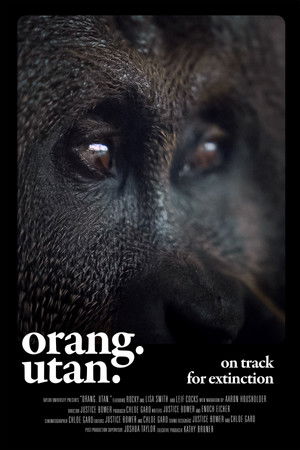
Through the story of Rocky, a rescued orangutan whose intelligence and empathy rival our own, Orang. Utan. explores the radical question of whether great apes should be considered persons. The film ultimately reframes that question into an urgent plea to save orangutans from disappearing forever.
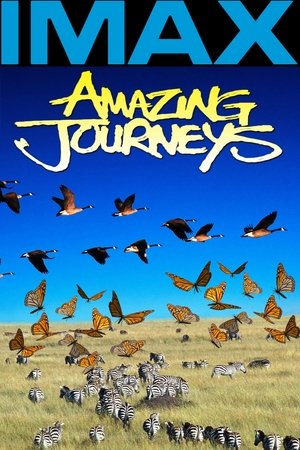
By land, by air, and by sea, viewers can now experience the struggle that millions of creatures endure in the name of migration as wildlife photographers show just how deeply survival instincts have become ingrained into to the animals of planet Earth. From the monarch butterflies that swarm the highlands of Mexico to the birds who navigate by the stars and the millions of red crabs who make the perilous land journey across Christmas Island, this release offers a look at animal instinct in it's purest form.
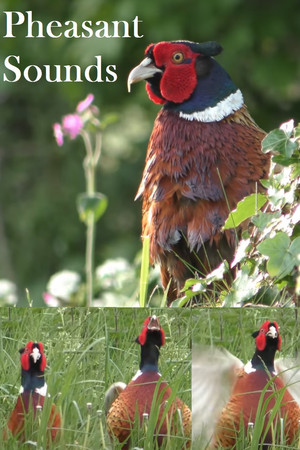
The Common Ring-Necked Pheasants of Cornwall erupt into a medley of sonic sensations.
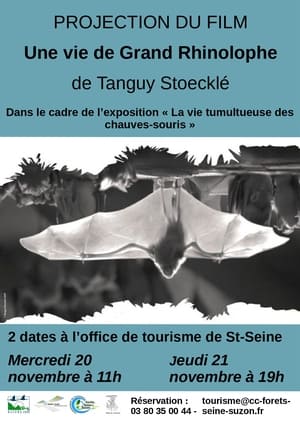
There is a fabulous colony of Greater Horseshoe Bats in the heart of the Camargue. This species of bat is one of the most amazing. A true little clown equipped with the very latest biological technologies, the Greater Horseshoe Bat is as rare as it is mysterious. "The life of a Greater Horseshoe Bat" invites you to share the life of a young female and her mother, for better or for worse...
Oriental Honey Buzzard (Pernis ptilorhynchus) is one of the raptors in Taiwan that specifically builds their nests in “ferns”. While other buzzards migrate between cold northern continent and warm southern islands, they prefer to propagate in Taiwan. Ninety-nine Peaks is their major habitat. With different feather colors, this species can only be distinguished from other birds by their long narrow beak and sharp claws. However, it is certain that all oriental honey buzzards love to eat pupa of bees. The Oriental Honey Buzzard of Ninety-nine Peaks is a documentary produced by Raptor Research Group of Taiwan and published by Forestry Bureau, Council of Agriculture Executive Yuan in 2011. This film not only was nominated in the 34th Montana International Wildlife Film Festival but also won the first –run film in the National Ecological Film Festival and the Best Animal Behavior Award at the 2011 Japanese Wildlife Film Festival.
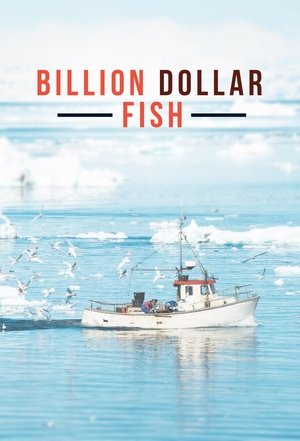
The River Danube is home to a fish that grows larger than the Great White Shark. Although it leads a secretive life, the Beluga Sturgeon – the King of the Danube – produces the most prized food in the whole world. For over 200 million years, the 8-metre long fish had no enemies, and yet today it is on the verge of extinction. Evolution did not prepare the fish for pollution, river regulation and overfishing. Beluga caviar is traded for up to 20,000 dollars per kilogramme. Ironically, the high price of this precious product could save the animals from a premature disappearance from planet earth.
An exploration of technologically developing nations and the effect the transition to Western-style modernization has had on them.
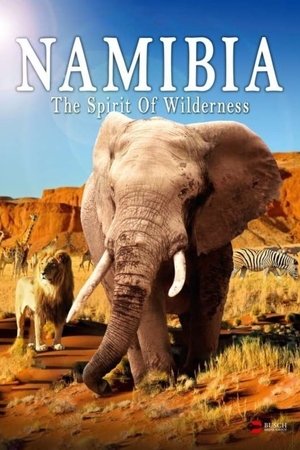
With more than 300 days a year, the sun dominates this country so much that it’s even shining from their flag. It’s a barren land, sometimes it’s like it’s from another planet but still familiar. It is land of contrasts and colours with wide landscapes and fascinating deserts. Influenced by various cultures during colonization and now reborn from the shadows of Apartheid in 1990, Namibia gives a beautiful collage of culture, language, art, music and food. Everyone who loves an adventure should travel to Namibia, the precious corner of our world full of incredible natural wonders. The experience of endless landscapes and an unparalleled blaze of colour make Namibia unforgettable. NAMIBIA – THE SPIRIT OF WILDERNESS invites you on a trip whose fascination will never let you go: From the Namib Desert over the breath-taking Fish River Canyon to the spectacular Etosha National Park where you will see wild elephants, antelopes, giraffes, zebras and lions.
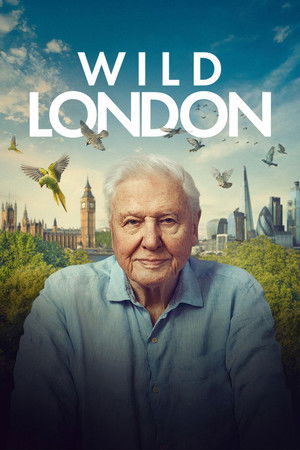
After a life spent travelling the globe, the world’s most famous naturalist turns his attention closer to home to explore the wildlife of England’s iconic capital. Having lived in London for 75 years, Sir David has an intimate knowledge of the city’s natural history, and there's no better guide to introduce us to its most spectacular wildlife secrets. Captured over his centennial year, this personal and poignant film is a timely insight into how cities can become homes for wildlife as well as ourselves.
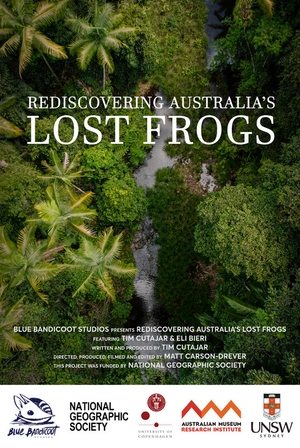
Join Australian Museum and UNSW Sydney PhD Candidate and Nat Geo Explorer Tim Cutajar as he searches for the feared-extinct Southern Gastric Brooding Frog (Rheobatrachus silus) in the Sunshine Coast hinterland. Using environmental DNA, Tim and the team are trying to detect any trace of this species, which has been missing since the early 1980s. Taking samples from water, air and frog-biting, blood-sucking flies, the team are trying to forensically detect this missing species.
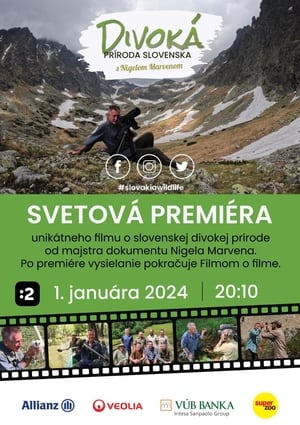
A documentary about the beauty of Slovak nature with world-renowned wildlife popularizer Nigel Marven... Nigel Marven is a British wildlife filmmaker, screenwriter, presenter and adventurer, known worldwide for his unique style, innovative programs and enthusiasm. He worked alongside Sir David Attenborough for 12 years. He has made more than 150 documentaries, visited all continents and conveyed the stories of amazing wild animals to viewers. This time he visited Slovakia to introduce the natural beauty of Slovakia to the whole world in cooperation with our nature filmmakers.
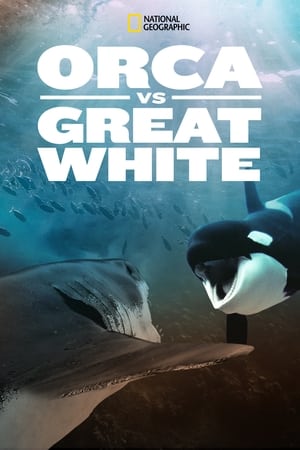
Researchers investigate whether orcas have begun hunting great white sharks off the coast of New Zealand.
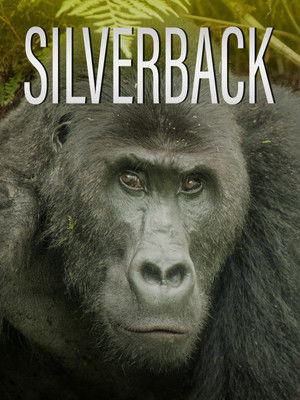
Feature-length documentary following award-winning wildlife cameraman Vianet Djenguet as he documents a gruelling but vital mission to ‘habituate’ a notoriously protective 450lb silverback, in a last-ditch effort to save the critically endangered eastern lowland gorillas from extinction.
There are few places on earth that have such a diverse variety of terrain and range of climates concentrated in a relatively small area - temperate coastline, scorching arid deserts and tundra, tropical rainforests and frozen snowcapped mountains. And there are few places that are as heavily exploited by humans, yet remain a wilderness.
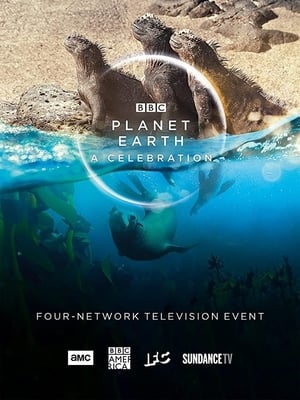
David Attenborough, Hans Zimmer and Dave unite for a special Natural History event – Planet Earth: A Celebration. The special one-hour programme brings together eight of the most extraordinary sequences from Planet Earth II and Blue Planet II including racer snakes vs iguana, surfing bottlenose dolphins and rare footage of the Himalayan snow leopard. Featuring new narration from David Attenborough, new compositions and arrangements from Hans Zimmer, Jacob Shea and the team at Bleeding Fingers and performed by the BBC Concert Orchestra, accompanied by Brit and Mercury Award-winning UK rapper Dave. In these extraordinary times, there is one thing that can offer solace to everyone – the wonder of the natural world.
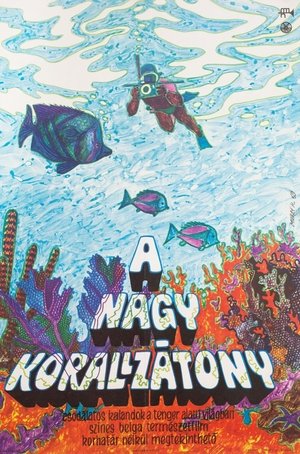
A unique document about life on land and underwater in the Great Barrier Reef. Shot during an expedition that lasted more than five months, the film shows both the fauna and flora of the ocean and the technical equipment used to film these stunning images, which are now a thing of the past.
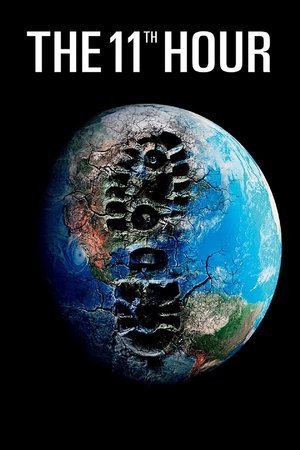
A look at the state of the global environment including visionary and practical solutions for restoring the planet's ecosystems. Featuring ongoing dialogues of experts from all over the world, including former Soviet Prime Minister Mikhail Gorbachev, renowned scientist Stephen Hawking, former head of the CIA R. James Woolse
Photographer and visual artist Sammy Baloji’s fascinating film essay explores the Democratic Republic of Congo’s colonial history and its ecological significance. Drawing on research from the 1930s, the film highlights the Congo Basin’s vital role in consuming carbon dioxide and shaping global environmental balance over a century.
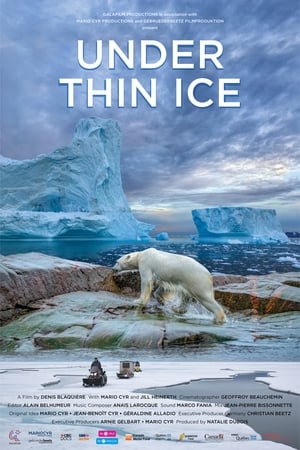
Two Canadian experts in underwater filming, Mario Cyr and Jill Heinerth, join forces for the first time to record how Arctic wildlife is adapting to the dramatic effects of climate change.