Seven of One is a 1973 BBC2 comedy anthology starring Ronnie Barker. 7 of 1 is a series of seven separate comedies that would serve as possible pilots for sitcoms, three of which were picked up for a full series run. Originally called Six of One, which Barker planned to follow up with another series called Half Dozen of the Other.
This comedy series, which follows the exploits of employees at London's fictional "Grace Brothers" department store, is full of sexual innuendo, slapstick, visual gags, and double entendres. Much of the show's humor parodies Britain's class system, and many of the show's characters are based on stereotypes of the period, including the effeminate Mr. Humphries and the rich, but stingy, store owner.
The Dick Powell Show is an American anthology series that ran on NBC from 1961- 1963, primarily sponsored by the Reynolds Metals Company. It was hosted by longtime film star Dick Powell until his death from lymphatic cancer on January 2, 1963, then by a series of guest hosts until the series ended. The first of these was Gregory Peck, who began the January 8 program with a tribute to Powell, recognizing him as "a great and good friend to our industry." Peck was followed by fellow actors such as Robert Mitchum, Frank Sinatra, Glenn Ford, Charles Boyer, Jackie Cooper, Rock Hudson, Milton Berle, Jack Lemmon, Dean Martin, Robert Taylor, Steve McQueen, David Niven, Danny Thomas, Robert Wagner and John Wayne.
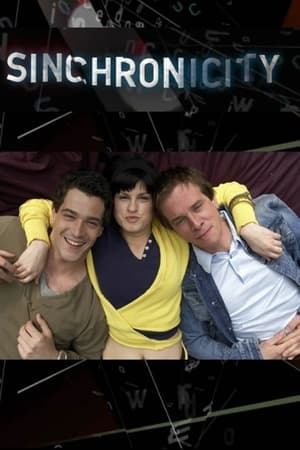
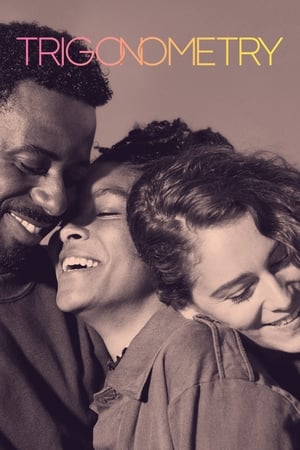
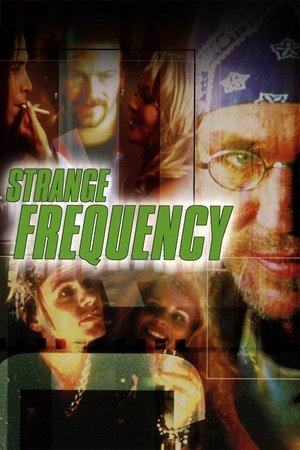
In Manchester, Nathan is in a love triangle with Fi and Jase, and the trio explore how chance and coincidence shape their lives.
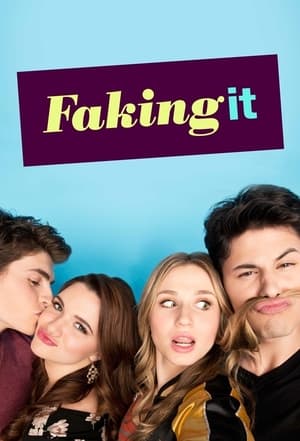
Ellen works in a Los Angeles bookstore called Buy the Book and hangs around with her friends discussing lovers, work and family.
Sugar Rush is an Emmy Award–winning British television comedy drama series developed by Shine Limited and broadcast by Channel 4, based on the Julie Burchill novel of the same name. It follows the trials and tribulations of teenager Kim Daniels, who is dealing with all the usual adolescent issues, plus one - she thinks she might be gay. Her family has recently moved to Brighton from London, and she finds herself with a huge crush on her new best friend, Maria `Sugar' Sweet. Sugar has a bit of a wild side, and frequently gets Kim into trouble, though Kim can find trouble on her own as well. Despite attractions to other girls, and a few attempts at being interested in guys, Kim continues to long for Sugar.
Follow the unexpected romance between a new hire at a computer graphics company and a skilled designer over the course of 14 months.
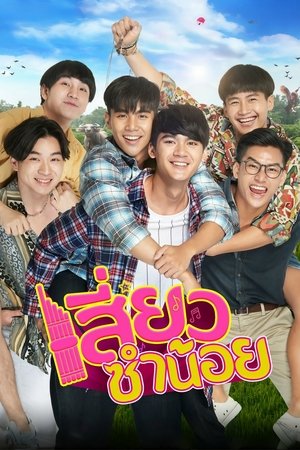
Music drama series that focuses on six different love stories about the innocence of teen love. Every love story is unique and powerful, packed with scenes that will give you butterflies. Feel the nervousness and the excitement as these young boys and girls fall into each other.
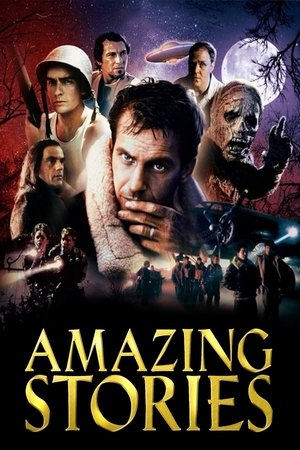
An anthology series that tells astonishing and thought-provoking stories of a reality just beyond the one we know. Each episode introduces viewers to a new cast of characters who must go on a surprising journey of self-discovery in a supernatural world of witches, aliens, ghosts and parallel universes.
Dates Like This follows twenty-something lesbian, Meg and her straight best friend Alicia as they look for a life and love in NYC.
Join some of your favorite Pixar characters for adventures set in the world of LEGO! Each of the 5 BrickToon stories deliver familiar faces and places, with heart, humor and a LEGO twist.
After his coming out goes horribly wrong, Singaporean Sam jets off to Bangkok to search for his exiled gay uncle, where he stumbles upon Top, a hopeless Thai romantic unlucky in love.
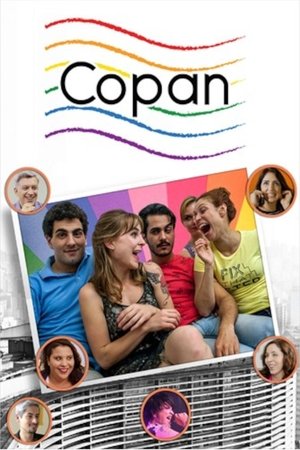
Con pelos en la lengua
Queer Duck is an animated series produced by Mondo that originally appeared on Icebox.com and later moved to the American cable television channel Showtime in 2002, where it aired as a follow-up feature of the American version of Queer as Folk. Although far from being the first gay cartoon character, Queer Duck was the first animated TV series to have homosexuality as its predominant theme. Like several later television cartoons, Queer Duck was animated in Macromedia Flash. The show was created, written and executive produced by Mike Reiss, executive producer of network cartoons The Simpsons and The Critic. The animation was directed and designed by Xeth Feinberg. The theme song for the cartoon was performed by the drag-queen celebrity, RuPaul. Despite the suggestive content, there is no graphic language or any sexual content, but the latter is heavily implied throughout the series and the movie.
An anthology series that peers behind closed doors and exposes the private lives and secrets of the guests checking into hotel rooms around the world. Spanning a range of genres from thriller to comedy to horror, a common theme threads each episode: everybody has a dark side, and we’re all this close to being exposed. From the vast skylines of London, to the corners of Beirut, through worn-out British seaside towns, to a shady room in Eastern Europe, the audience is given an entirely new vantage point on what goes on behind the “do not disturb” signs. All nine 10-minute episodes premiered at the 2019 Cannesseries but never saw any further release.
Two boys from very different ends of the 'spectrum of masculinity' become best friends at Brent University freshers' week; in their first year of uni, they explore, experiment and try to discover themselves, helping one another along the way.
'Hurt' follows Stone Scriven as he plans for his own death - at least until he meets Fin Snell, another young man struggling with the weight of the world. Together, they will help each other learn to live.
Urbana Genoveva Esperanza hosts a web show titled as Dear Uge where she features love stories. In the show, she also have a feeling charming sidekick, Devine.
Lawyer Shiro pours his heart into home-cooked meals for his partner, hairstylist Kenji, as they navigate life as a middle-aged gay couple in Tokyo.
A British television comedy series, written by Michael Palin and Terry Jones of Monty Python fame. Following an initial pilot episode in January 1976, it ran for two subsequent series of five and three episodes in October 1977 and October 1979 respectively. Each episode had a different setting and characters, looking at a different aspect of British culture and parodying pre-World War II literature aimed at schoolboys.