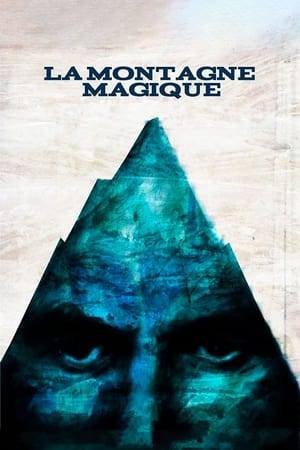
The film investigates the adventures of mountain climber and photographer Adam J. Winkler, who fought in Afghanistan with the Mujahideen against the Soviets in the 1980s. The director employs a highly original artistic technique involving animated collage of period materials.
Abandoned Goods is an essay film exploring the journey of one of Britain’s major collections of Asylum Art containing about 5,500 objects (paintings, drawings, ceramics, sculptures and works on stone, flint and bone) created between 1946 and 1981, by about 140 people compelled to live in the Netherne psychiatric hospital in South London. Blending archive, reconstruction, animation, 35mm rostrum, and observational photography, the film explores the transformation of these objects from clinical material to revered art objects examining the lives of the creators and the changing contexts in which the objects were produced and displayed.
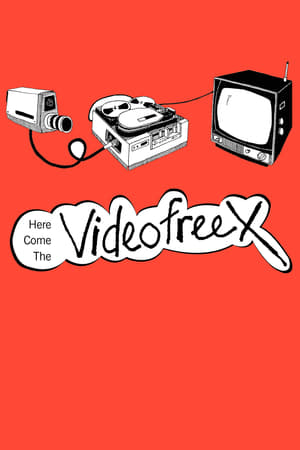
An idealistic collective launches a TV channel in the very early days of portable video cameras. This wonderful lesson in journalism makes it clear just how perilous it is to promote your own view of society via autonomous media. From the tumultuous period of Woodstock, the Black Panthers, women’s lib and anti-Vietnam demonstrations.
Fien de la Mar (1898-1965) was a Dutch actress with exceptional allure and extraordinary talent. With this she celebrated many triumphs, but her life ultimately ended in tragedy.
St. Louis florist Darien Burress launches her small business while preparing to compete at Art in Bloom, the St. Louis Art Museum's annual festival celebrating floral design and the fine arts.
A multitude of reflections on the Francophone community and Canadian identity ebb and flow through a Winnipeg that is searching for its identity.
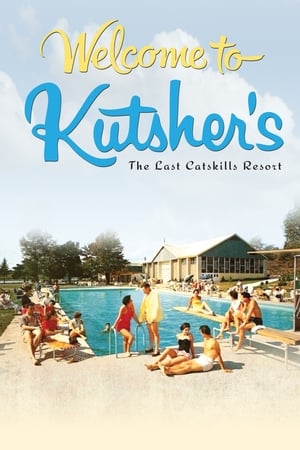
Kutsher's Country Club is the last surviving Jewish resort in the Catskills. One of the legendary Borscht Belt hotels during its heyday, Kutsher's has been family-owned and operated for over 100 years. Exploring the full Dirty Dancing-era Catskills experience-- and how it changed American pop culture in the comedy, sports and vacation industries-- this documentary captures a last glimpse of a lost world as it disappears before our eyes.
A graffiti artist in his early 20s, begins a 3½ year prison sentence for vandalism. He must attempt to cope with the struggles of his new life on the inside: sharing a cell with an aggressive murderer, being moved to high security, living 23 hours a day alone. An unlikely allay soon teaches him how to survive. Questions then begin to arise. Who can he trust? Will he ever find solace?
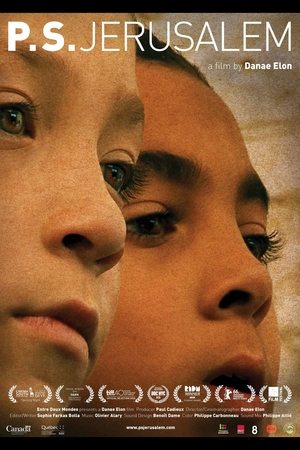
Returning to her hometown of Jerusalem with her young family after several years abroad, documentarian Danae Elon offers an intimate, ground’s-eye view of one of the most fiercely contested cities in the world.
Commercial and technical developments on British Rail: new freight loads, air conditioned carriages, an ultrasonic test-train for checking the permanent way, a lecture train, and a new station for motorists - all part of the railway scene in the 1970's.
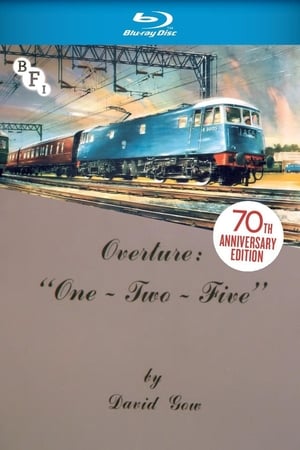
A high speed Inter-City train is the star of this impressionist film in which picture and music are brought together to enhance the mood and rhythm of the subject and hail the arrival of 125mph regular passenger services. With specially composed music by David Gow and no commentary, Overture: One-Two-Five was the last complete production to be shot on 35mm film by British Transport Films. It was produced to mark the introduction of the new Inter-City 125 High Speed Train services between Paddington and Bristol. One of the last big budget productions, it was treated to a coat of Technicolor and a theatrical cinema release. It also marked the beginning of the slow decline of BTF which culminated in its closure. With the abandoning of support features and shorts at cinemas in the late 1970s and early 1980s, most of the unit’s films after 1978 were made primarily for internal use.
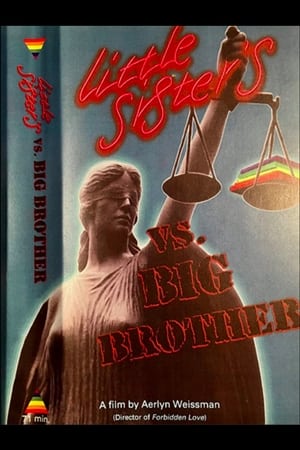
This documentary, filmed over a 10-year period, centers on the debate over censorship as it follows Vancouver's Little Sister's Bookstore and its 20-year struggle with Canada Customs over the seizure of books. In the face of bigotry, bombings and repeated book seizures, it wages the most important legal battle in history against Canada Customs.
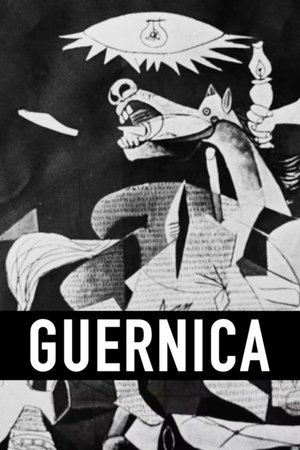
Alain Resnais & Robert Hessen use the famous Picasso mural "Guernica" in combination with newspaper headlines in an anti-war cry against the Spanish Civil War. Narration by Jacques Pruvost highlights the Guernica atrocity of April 1937, followed by a poem by Paul Eluard read by María Casares to a discordant score by Guy Bernard.
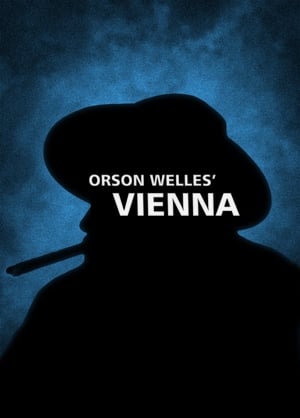
Orson Welles talks fantasy and magic in this short Vienna travelogue.
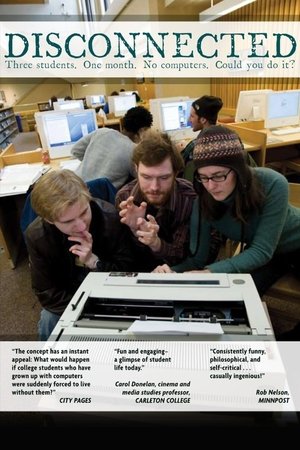
Three Carleton College students take on the challenge of ditching computers to find out how their academic, social, and work lives will be affected. No Facebook. No e-mail. No YouTube. How will they get their work done? Will they cheat? Who will survive the longest? This documentary follows Andrew, Caitlin, and Chel as they learn to interact with themselves and with others in ways we have largely forgotten.
This short film portrays the story of singer Paul Anka, who rose from obscurity to become the idol of millions of adolescent fans around the world. Taking a candid look at both sides of the footlights, this film examines the marketing machine behind a generation of pop singers. Interviews with Anka and his manager reveal their perspective on the industry.
A room full of memories.
A study of Antoni Gaudí's architecture (especially the Church of the Holy Trinity in Barcelona), his sources of inspiration and his influence on Picasso. (BFI)
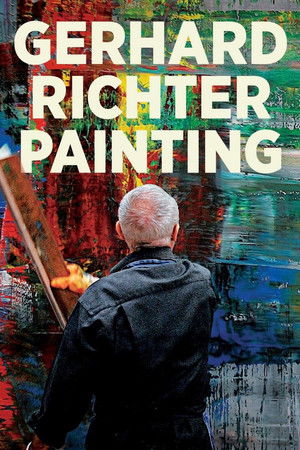
Gerhard Richter has spent over half a century experimenting with a tremendous range of techniques and ideas, addressing historical crises and mass media representation alongside explorations of chance procedures. This first glimpse inside his studio in decades is exactly that: a thrilling document of the 79-year-old's creative process, juxtaposed with rare archival footage and intimate conversations with his critics and collaborators.
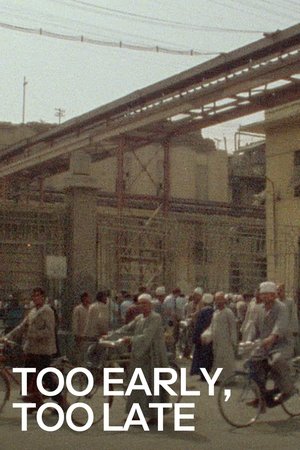
Inspired by a letter by Friedrich Engels and a 1974 account of two militant Marxist writers who had been imprisoned by the Nasser regime, Straub-Huillet filmed this film in France and Egypt during 1980. They reflect on Egypt’s history of peasant struggle and liberation from Western colonization, and link it to class tensions in France shortly before the Revolution of 1789, quoting texts by Engels as well as the pioneering nonfiction film Workers Leaving the Lumière Factory (1895).