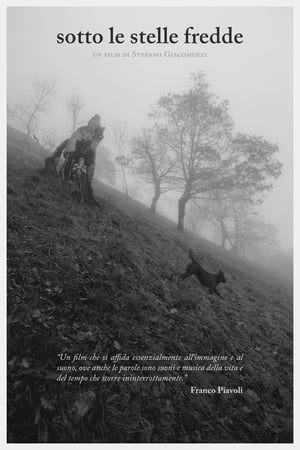
Set in the mountains of northeast Italy, this film may be considered an observational documentary about rural life. Although this is undeniably the case, at the same time Under the cold stars can hardly be considered a documentary: the microcosm on which it focuses appears to be a reflection of a broader reality and perhaps a way to deal with the themes of man’s existence and his relationship with animals, nature and, most importantly, with time. As written by Franco Piavoli "it is a film which essentially relies on images and sound, where words themselves are sound and the music of life, of the relentless flow of time."
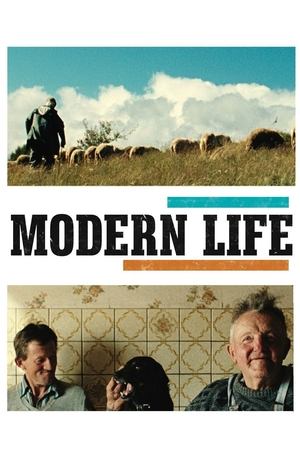
For ten years, Raymond Depardon has followed the lives of farmer living in the mountain ranges. He allows us to enter their farms with astounding naturalness. This moving film speaks, with great serenity, of our roots and of the future of the people who work on the land. This the last part of Depardon's triptych "Profils paysans" about what it is like to be a farmer today in an isolated highland area in France. "La vie moderne" examines what has become of the persons he has followed for ten years, while featuring younger people who try to farm or raise cattle or poultry, come hell or high water.
No one has ever seen a skateboarder at this Loiret skatepark. At first glance, this place away from the village is deserted. But if you hang around for a long time, you enter the kingdom of adolescents, an empire without adults where relationships are made and broken with the rhythm of the seasons.
The camera falls in love with the characters, the landscape and the objects and is installed with the tenderness that inoculates the life of the town itself. The camera is the thousand eyes of the gaze of a rigorous anthropologist, although in love, multiplying so as not to lose detail in 24 hours of people, activity, games, intimacy ... Recording every sound that pierces the oceanic silence of the countryside open.And night comes. And the gazpacho. And the party. You see.
This documentary film follows farmers and activists fighting together to stop the Indiana Enterprise Center, a mega-sized industrial park planned west of South Bend, Indiana
Renaixem
Tendre Des Fils
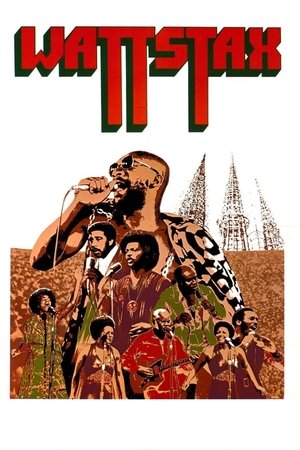
A documentary film about the Afro-American Woodstock concert held in Los Angeles seven years after the Watts riots. Director Mel Stuart mixes footage from the concert with footage of the living conditions in the current-day Watts neighborhood.
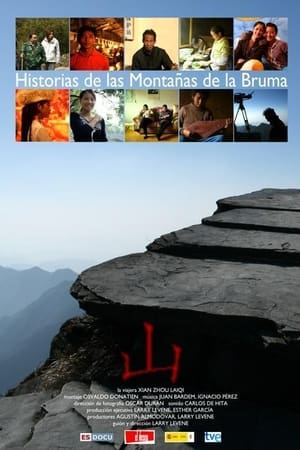
The follow-up film to “Barstow, California” takes us to the mountains of Miyama, a remote forest and tourist area north of Kyoto. Uwe Walter, a shakuhachi player from Germany, lives there with his wife Mitsuyo for 30 years. Together with the villagers he prepares the annual Gion Festival. On the eve of the festival, the village representatives tell him that his self-built studio is to be demolished. This brings back memories for him of earlier times and his first steps as a Nō actor. In the manner of a fresco, the film interweaves rural depictions of everyday life with the story of its German protagonist. In the village community with its togetherness of generations, Uwe shares life with his neighbours, with farmers, hunters, woodsmen, poultry farmers and anglers, tills his kitchen garden, and like other tradition-conscious villagers, he also grows his rice. The film shows them in a harsh mountain landscape between the rainy season and the first snow.
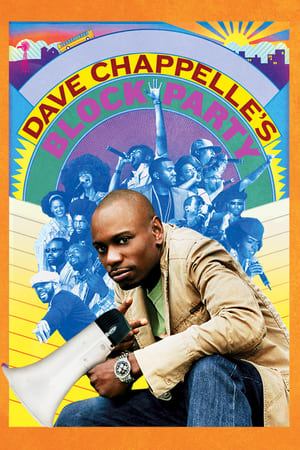
The American comedian/actor delivers a story about the alternative Hip Hop scene. A small town Ohio mans moves to Brooklyn, New York, to throw an unprecedented block party.
L'Amour vache
A poetic journey through the paths and places of old Castile that were traveled and visited by the melancholic knight Don Quixote of La Mancha and his judicious squire Sancho Panza, the immortal characters of Miguel de Cervantes, which offers a candid depiction of rural life in Spain in the early 1930s and illustrates the first sentence of the first article of the Spanish Constitution of 1931, which proclaims that Spain is a democratic republic of workers of all kind.
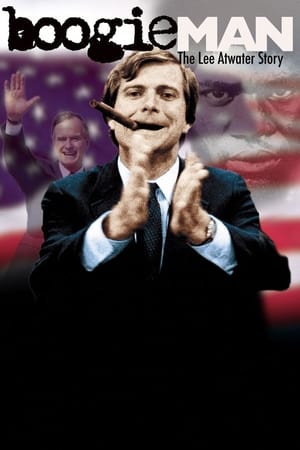
Boogie Man is a comprehensive look at political strategist, racist, and former Republican National Convention Committee chairman, Lee Atwater, who reinvigorated the Republican Party’s Southern Strategy to increase political support among white voters in the South by appealing to racism against African Americans. He mentored Karl Rove and George W. Bush and played a key role in the elections of Reagan and George H.W. Bush.
In Canada, the village of Val Gagné is facing a rural exodus. Life seems to be dissolving, the future is uncertain. But these Franco-Ontarian villagers are surprised by a wind of renewal. A wind that will give them hope.
Titou will soon be forty. He lives high up in a sheep shed in the Corbières mountains. With Soledad, who lives in a nearby caravan, they make their own wine, compose their music, live their love in step with the seasons – much as you might cultivate resistance.
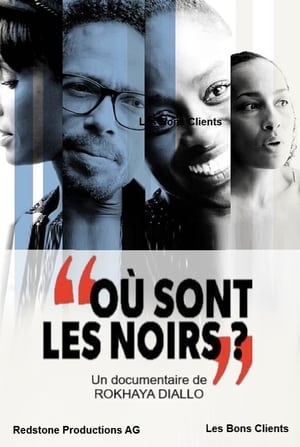
A deep look at the class warfare and the contradictions that African-Americans face within their own community when many of them are ostracized because they are “not black enough.” An analysis of the reasons behind these absurd acts of hatred.
Stephen Dwoskin brings together members of the Ballet Negres dance company, founded in London in 1946.
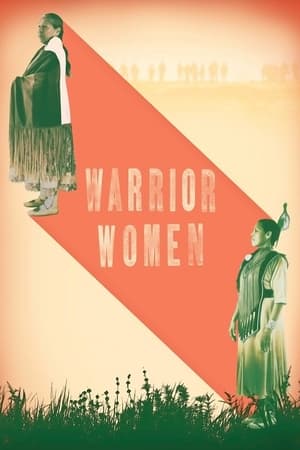
Through the figure of Lakota activist and community organizer Madonna Thunder Hawk, this inspiring film traces the untold story of countless Native American women struggling for their people's civil rights. Spanning several decades, Christina D. King and Elizabeth A. Castle's documentary charts Thunder Hawk's lifelong commitment, from her early involvement in the American Indian Movement (AIM), to her pivotal role in the founding of Women of All Red Nations, to her heartening presence at Standing Rock alongside thousands protesting the Dakota Access Pipeline. She passed her dedication and hunger for change to her daughter Marcy, even if that often meant feeling like comrades-in-arms more than mother and child. Through rare archival material—including amazing footage of AIM's occupation of Wounded Knee—and an Indigenous style of circular storytelling, Warrior Women rekindles the memories and legacy of the Red Power movement's matriarchs.
After eighteen years of operating the favourite lunch counter in Manitoba's Interlake region, Ellen and Martin Kihn have retired. A poignant look at the last day, The Kihns, their friends and their customers, demanding rural life and the place the disappearing institution of the country cafe plays in these people's lives. A tribute to the cafes found in small towns.
Steve, a 25-year-old Black man from the Paris suburbs, seeks to escape the violence of his immediate surroundings by training to become an actor at one of France’s most prestigious drama schools. But soon he discovers that the theater world is only interested in having him inhabit “Black” roles.