"A Home On The Range" tells the little-known story of Jews who fled the pogroms and hardships of Eastern Europe and traveled to California to become chicken ranchers. Even in the sweatshops of New York they heard about Petaluma where the Jews were not the shopkeepers and the professionals, they were the farmers. Meet this fractious, idealistic, intrepid group of Eastern European Jews and their descendants as they confront obstacles of language and culture on their journey towards becoming Americans. Jack London, California vigilantes, McCarthyism, the Cold War and agribusiness all come to life in this quintessentially American story of how a group of immigrants found their new home, a home on the range.
Albert and David Maysles (Gimme Shelter) directed this 53-minute documentary about movie tycoon Joseph E. Levine (1963). Preserved by the Academy Film Archive in 2012.
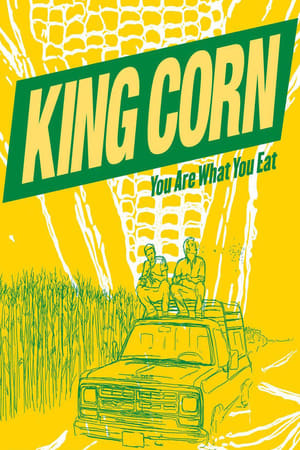
Documentary filmmaker Robert Kenner examines how mammoth corporations have taken over all aspects of the food chain in the United States, from the farms where our food is grown to the chain restaurants and supermarkets where it's sold. Narrated by author and activist Eric Schlosser, the film features interviews with average Americans about their dietary habits, commentary from food experts like Michael Pollan and unsettling footage shot inside large-scale animal processing plants.
This short documentary illustrates rural French Canadian life in the early 1940s. The film follows Alexis Tremblay and his family through the busy autumn days as they bring in the harvest and help with bread baking and soap making. Winter sees the children revelling in outdoor sports while the women are busy with their weaving, and, with the coming of spring young and old alike repair to the fields once more to plough the earth in preparation for another season of varied crops. One of the first NFB films to be produced, directed, written and shot by women.
Recently discovered footage reveals the secret history of NASA's first landing on the moon, and using this brand-new evidence, former astronauts and experts challenge everything known about the Apollo missions.
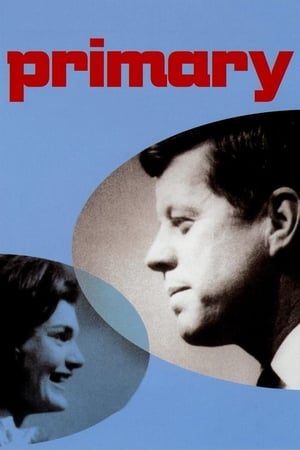
Primary is a documentary film about the primary elections between John F. Kennedy and Hubert Humphrey in 1960. Primary is the first documentary to use light equipment in order to follow their subjects in a more intimate filmmaking style. This unconventional way of filming created a new look for documentary films where the camera’s lens was right in the middle of what ever drama was occurring. Preserved by the Academy Film Archive in partnership with The Film Foundation in 1998.
A lyrical recreation of Lightnin’ Hopkins’ decision at age eight to stop chopping cotton and start singing for a living. Preserved by the Academy Film Archive in 2013.
A documentary about four African-American comediennes set in 1984. Restored in 2021 by the Academy Film Archive.
King Corn is a fun and crusading journey into the digestive tract of our fast food nation where one ultra-industrial, pesticide-laden, heavily-subsidized commodity dominates the food pyramid from top to bottom – corn. Fueled by curiosity and a dash of naiveté, two college buddies return to their ancestral home of Greene, Iowa to figure out how a modest kernel conquered America. With the help of some real farmers, oodles of fertilizer and government aide, and some genetically modified seeds, the friends manage to grow one acre of corn. Along the way, they unlock the hilarious absurdities and scary but hidden truths about America’s modern food system in this engrossing and eye-opening documentary.
The Town was a short propaganda film produced by the Office of War Information in 1945. It presents an idealized vision of American life, shown in microcosm by Madison, Indiana. It was created primarily for exhibition abroad, to provide international audiences a more well-rounded view of America, and was therefore produced in more than 20 translations. Preserved by the Academy Film Archive in 2012.
More than sixty years after her birth, the Barbie doll is still as seductive as ever. Between stereotypes and emancipatory discourse, we explore an iconic toy that has changed with the times.
Souvent l’hiver se mutine
Mixing narrative and documentary, the film retells a 16 year old girl's experience of a date rape.
Over 133 years in the making, from humble beginnings manufacturing 'Hanufuda' cards came one of the world's most recognized videogame companies, from the birth of Mario and Luigi to Donkey Kong and Zelda... to beating its competition and presenting itself as a platform for quality games and strong values. This is the story of Nintendo.
The drought in the American West is predicted to be the worst in 1,000 years. Join five Academy Award-winning filmmakers as they explore the environmental crisis of our time and how to fix it before it's too late.
Satyajit Ray's poetic documentary was commissioned by the Chogyal (King) of Sikkim at a time when he felt the sovereignty of Sikkim was under threat from both China and India. Ray's documentary is about the sovereignty of Sikkim. The film was banned by the government of India when Sikkim merged with India in 1975. The ban was finally lifted by the Ministry of External Affairs in September 2010. Preserved by the Academy Film Archive in 2007.
Every school day, African-American teenagers William Gates and Arthur Agee travel 90 minutes each way from inner-city Chicago to St. Joseph High School in Westchester, Illinois, a predominately white suburban school well-known for the excellence of its basketball program. Gates and Agee dream of NBA stardom, and with the support of their close-knit families, they battle the social and physical obstacles that stand in their way. This acclaimed documentary was shot over the course of five years.
This short film takes a look at the off-screen personas of screen actors. Preserved by the Academy Film Archive in 2012.
This film is an account of the Talyllyn Railway, a historic narrow-gauge slate carrier in Tywyn, Wales, and its operation by a preservation society who saved it from being sold for scrap. Although the release date is 1965, it was actually filmed in the early 1950s. Preserved by the Academy Film Archive in 2012.
This fascinating making-of documentary investigates the controversy and political atmosphere surrounding the production of Salt of the Earth, movingly chronicling the filmmakers' defiance of the blacklist. (BAM) Preserved by the Academy Film Archive in 2015.