The first of four installments in the groundbreaking Heartbeat of the World anthology film series. Comprised of several short films by some of the world's most exciting directors, Words with Gods follows the theme of religion - specifically as it relates to an individual's relationship with his/her god or gods...or the lack thereof. In Words with Gods, each director recounts a narrative centered around human fragility, as well as environmental and cultural crises involving specific religions with which each has a personal relationship; including early Aboriginal Spirituality, Umbanda, Buddhism, the Abrahamic faiths, Hinduism, and Atheism. An animated sequence by Mexican animator Maribel Martinez is woven through each of the film segments, with each segment narratively connected as a feature-length film.
Link and his brother flee their abusive father and embark on a journey where Link discovers his sexuality and rediscovers his Mi’kmaw heritage.
Following her brother's death, Georgia, a young college student, returns home to her reservation only to find she's become the prey of a shapeshifting, faceless figure.
A man tries to reconnect with his father who works at a laundrette.
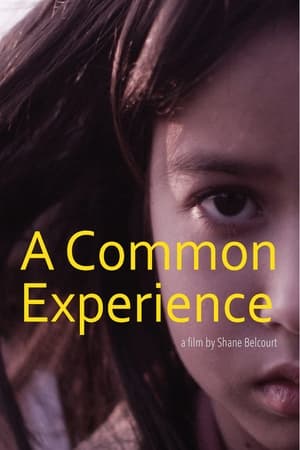
A portrait of an albino Aboriginal teenager, her feelings of alienation while at a convent boarding school, and her dreams of escape.
Australia, 1958. When a nine year old white girl is found murdered, police are quick to arrest illiterate Aborigine, Max Stuart. Under interrogation Max admits to the killing. With a legal system compromised by intimidation tactics, the skills of his two gifted but naïve defense lawyers are put to the test.
Between 1924 to 1970, Kinchela Boys Home in Kempsey, New South Wales, saw an estimated 400 to 600 Aboriginal children exposed to routine acts of cultural genocide and remains one of Australia’s most notorious institutions of the Stolen Generations. After being stolen from their families, country, and community, children were stripped of their names, given numbers, and subjected to ‘reprogramming’ and strict regimes of manual labour. We Were Just Little Boys is narrated by KBH survivors.
Ray Lorkin, chief lawman in the tiny rural settlement of Wala Wala, Australia, fears that long-simmering tensions between the area's aborigine natives and white settlers are on the verge of erupting. When it's discovered that Kate, the white wife of local schoolteacher Les, has despoiled a sacred site by secretly meeting her aborigine lover, Tony, there, a shocking murder threatens to rip the small town apart.
An aboriginal girl is brought up by a white family that adopts her. As a young woman, she is mysteriously drawn to go "Walkabout" as people of her tribe have for hundreds of years.
In Jandamarra's War, we learn how in the 1890's the European colonialists arrive in the Kimberley with vast herds of sheep and cattle, determined to make their fortune by feeding a rapidly growing population in the South. But the settlers soon discover they are in land populated with indigenous tribes, ready to fight the red-faced invaders.
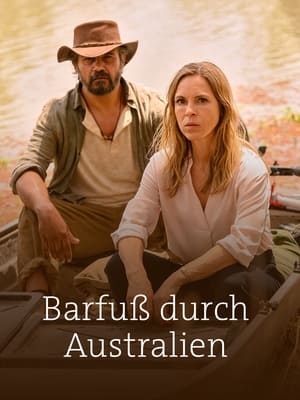
Svenja and her 16-year-old daughter Kira have traveled the world a lot. Svenja is a hotel manager and is currently bringing an aging hotel in Australia back into shape. But her biggest challenge is her daughter, who has switched to complete refusal and doesn't let Svenja tell her anything anymore. Kira doesn't avoid confrontations at school either, which in turn leads to conflicts with Svenja. After another argument, Kira decides to go to Jack. Jack is Aboriginal and Kira's only friend. Together, the two young people go in search of their “special place”, their own particular locality. Svenja is beside herself with worry when she notices Kira's disappearance and gives chase with Jack's father Kalti, a deeply relaxed hotel boat guide whom Svenja had released two days earlier. An adventurous journey begins in the barren deserted Outback - for Svenja and Kira a strange world, fascinating, but also life-threatening!
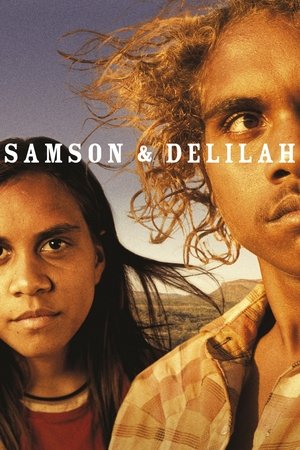
Samson, a cheeky 15-year-old boy, and Delilah, live in an isolated Aboriginal community in the Central Australian desert. The two teenagers soon discover that life outside the community can be cruel. Lost, unwanted and alone they discover that life isn’t always fair, but love never judges.
They were Australia’s bad days. Men killed other men and laughed. All that was left for the children of the dead was to remember. If they had the strength.
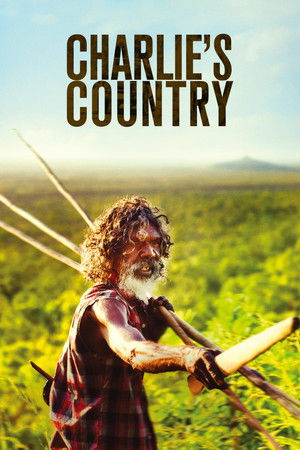
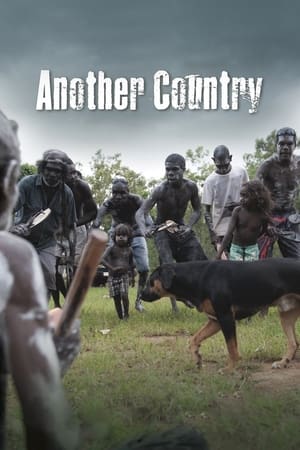
Blackfella Charlie is getting older, and he's out of sorts. The intervention is making life more difficult on his remote community, what with the proper policing of whitefella laws that don't generally make much sense, and Charlie's kin and ken seeming more interested in going along with things than doing anything about it. So Charlie takes off, to live the old way, but in doing so sets off a chain of events in his life that has him return to his community chastened, and somewhat the wiser.
A poetic exploration of the multi-generational affects of Canada's Indian Residential School system, based on the personal trials of Aboriginal playwright Yvette Nolan.
In this documentary companion to CHARLIE'S COUNTRY, Australian actor David Gulpilil tells the story of when his people's way of life was derailed by ours.
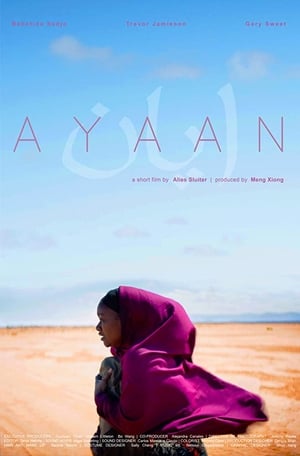
An escaped asylum seeker encounters an Aboriginal man on a remote Australian beach. She must decide whether to trust him or journey on alone.
Nana’s granddaughter thinks Nana’s pretty special. She loves her Nana because she helps the old people, she’s a good painter and other people love her too. Nana’s got everyone under control.
When his grandfather's drive-in cinema and home in the outback town of Wyndham is threatened with demolition, a twelve-year-old Aboriginal boy must journey through Australia's bush country — equipped only with ancient survival skills — to stop the city developers.
Loosely based on the filmmaker's personal experience, "Terra Nullius" is an impressionistic account of an eight year old Koori girl, Alice, growing up in a white adoptive family which denies her Aboriginality. The film examines how unacknowledged shame and fear passes from one generation to the next, from one culture to another. The last scene depicts a silent meeting between the young Alice and the adult Alice. In order to reclaim her life, Alice decides she must confront the pain and confusion of her childhood.