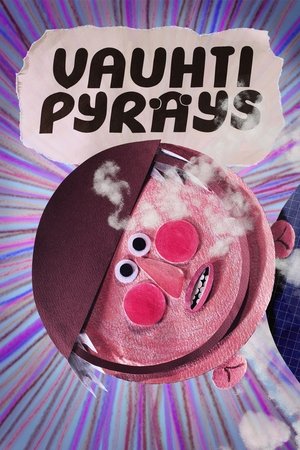
70-year-old Timo makes the most of his short ride to work. Speeding up on a bicycle ends up in a ditch, but the adrenaline rush leaves a feeling of pleasure.
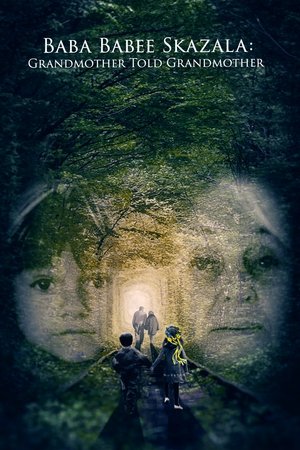
The little-known story of Ukrainian children torn from their homes in the crush between the Nazi and Soviet fronts in World War II. Spending their childhood as refugees in Europe, these inspiring individuals later immigrated to the United States, creating new homes and communities through their grit, faith and deep belief in the importance of preserving culture.
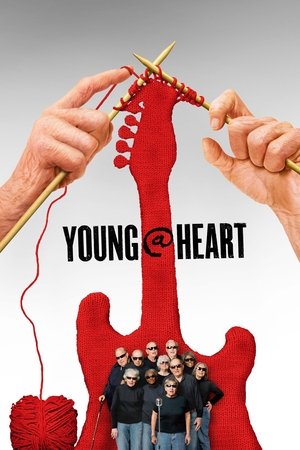
Documents the true story of the final weeks of rehearsal for the Young at Heart Chorus in Northampton, MA, and many of whom must overcome health adversities to participate. Their music goes against the stereotype of their age group. Although they have toured Europe and sang for royalty, this account focuses on preparing new songs for a concert in their hometown.
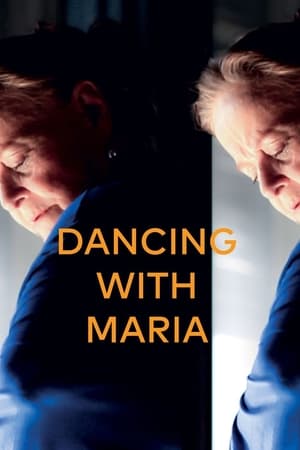
María Fux spends her life training dancers, particularly those with disabilities. But now, at 90, she finds her toughest student may be herself.
A quartet of refined elderly ladies gets together for coffee. Neatly dressed in houndstooth and pearls, they sip from elegant china and nibble on sweet cakes while discussing Viagra, cock rings, orgasms and quickies. Nothing's off the table as they reminisce about the past and revel in the sexual revolution that's come up around them, empowering their pleasure well into their twilight years.
A Ghanaian maintenance technician at a Virginia retirement community dreams of becoming an American citizen to provide a better life for his family. With their future at stake, he enlists the help of two elderly residents to prepare for the biggest test of his life: the US Citizenship exam.
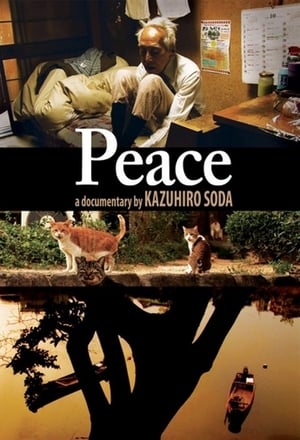
What is peace? What is coexistence? And what are the basis for them? PEACE is a visual-essay-like observational documentary, which contemplates these questions by observing the daily lives of people and cats in Okayama city, Japan, where life and death, acceptance and rejection are intermingled.
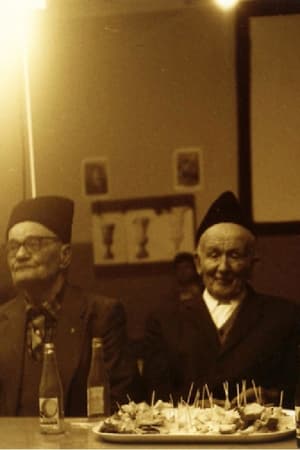
The protagonists of this docudrama are old farmers who migrated to Banat after the First World War, in 1922. The film is focused on a couple of important events in their impressive lives, which are woven into lively scenes and stories full of wise instances. Their statements become spontaneous recounts of the lives of people in this region.
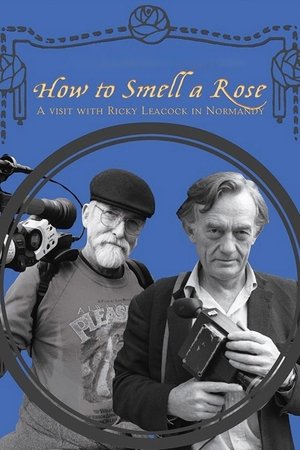
In the year 2000, Les Blank, along with co-filmmaker Gina Leibrecht, visited Richard Leacock (1921-2011) at his farm in Normandy, France and recorded conversations with him about his life, his work, and his other passion: cooking! With the flair of a seasoned raconteur, Leacock recounts key moments in his seventy years as a filmmaker and the innovations that he, D.A. Pennebaker, Albert Maysles and others invented that revolutionized documentary filmmaking, and explores the mystery of creativity. With the passing of both Blank and Leacock, the documentary is a moving insight into the lives of two seminal figures in the history of film.
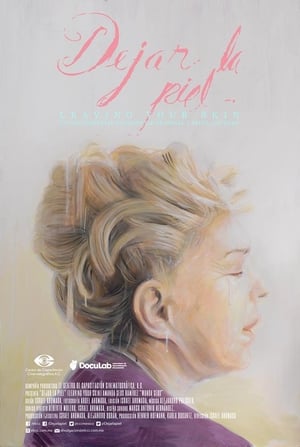
Wanda Seux, one of Mexico’s most emblematic actresses and showgirls during the 80’s, has fallen into an abyss, dragged down by the death of her mother, her solitude, and the passage of time. Wanda, however, struggles every day to rise from that vacuum and walk through that dark tunnel into the light of plenitude.
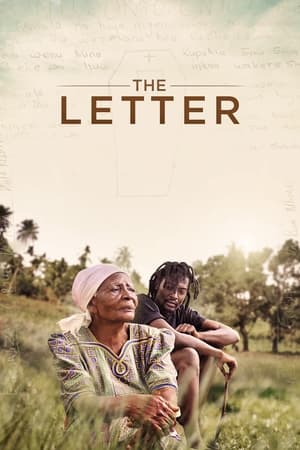
Karisa’s city-life is interrupted when his Grandma back home is called a witch and receives a death threat. Returning to his rural village to investigate, he finds a frenzied mixture of consumerism and Christianity is turning hundreds of families against their elders, branding them as witches as a means to steal their ancestral land.
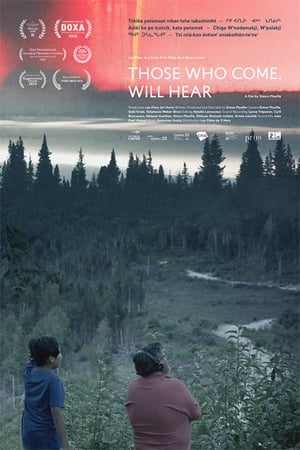
The documentary proposes a unique meeting with the speakers of several indigenous and inuit languages of Quebec – all threatened with extinction. The film starts with the discovery of these unsung tongues through listening to the daily life of those who still speak them today. Buttressed by an exploration and creation of archives, the film allows us to better understand the musicality of these languages and reveals the cultural and human importance of these venerable oral traditions by nourishing a collective reflection on the consequences of their disappearance.
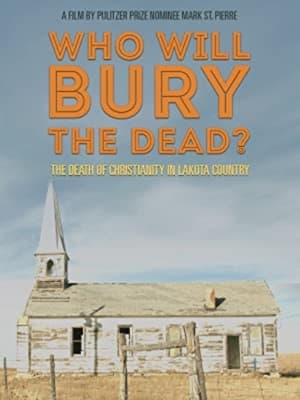
This documentary offers a deep, candid, and historical look at the Christian experience of America's largest and best-known tribes: the Dakota and Lakota. Its exploration into Native American history also takes a hard and detailed look at President Ulysses S. Grant's Peace Policy of 1873, which was, in effect, a "convert to Episcopalianism or starve" edict put forth by the American government in direct violation of its Constitution. The devastation it had on the values of the people affected were dramatic and extremely long-lasting. Grant's policy was finally ended over 100 years later by the Freedom of American Indian Religions Act in 1978. Interlaced with extraordinarily candid interviews, this documentary presents an insider's perspective of how the Dakota and Lakota were estranged from their religious beliefs and their long-standing traditions.
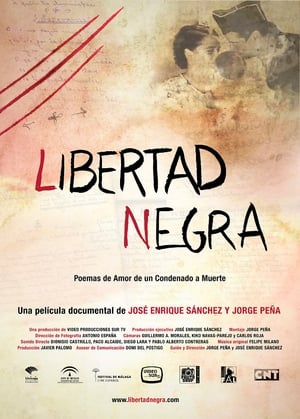
Libertad negra
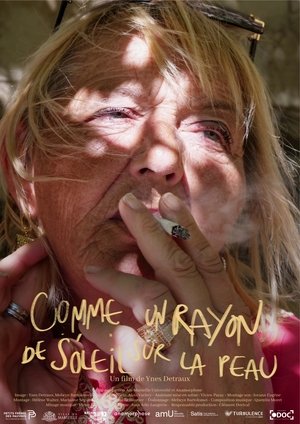
Comme un rayon de soleil sur la peau
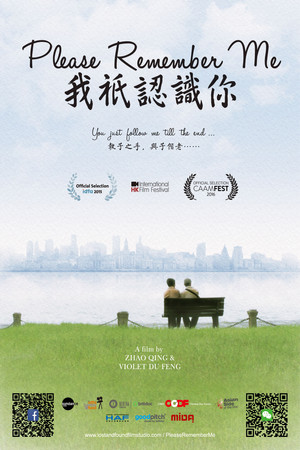
Hardly could anybody tell that 87 years old Lou has had Alzheimer’s disease. Over the years, Lou has forgotten almost everyone but firmly believes that 88 years old Feng is the one she is going to spend the rest of her life with.
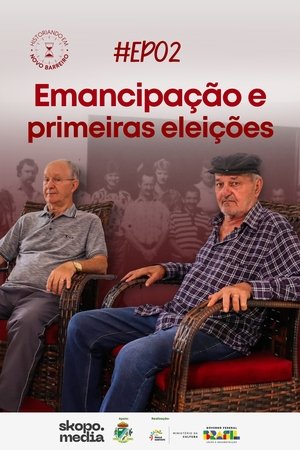
Emancipação e Primeiras Eleições - Historiando em Novo Barreiro
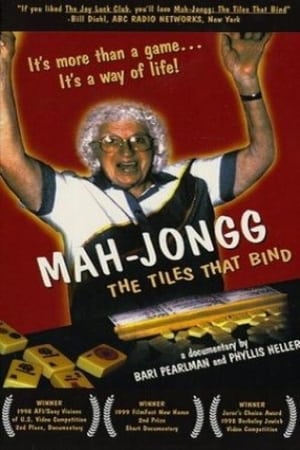
A light-hearted yet deeply moving portrait of the Asian- and Jewish-American women who play this centuries-old Chinese game, shedding light on the common and uncommon experiences of the players that simultaneously define and transcend cultural boundaries. Along the way, it proves again and again to be a bridge connecting seemingly unlike individuals, spanning generations, continents and cultures, and transcending classification as merely a game.
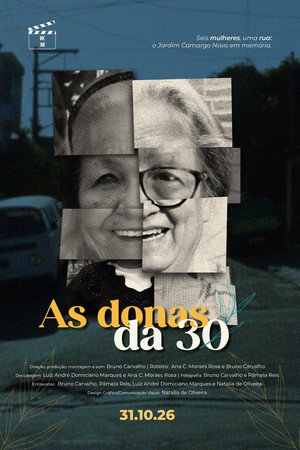
In the eastern outskirts of São Paulo, women who have lived on the same street for decades share memories, losses, and achievements shaped by a lifetime of experiences. In The Ladies of 30th Street, their stories reveal how work, neighborhood bonds, and affection have transformed a small corner of the city into a place of belonging.
One of the five-part documentary series by Belarusian writer and director Viktor Dashuk, which recounts the horrors experienced by the Belarusian people during World War II, through firsthand accounts of survivors and newsreel footage.