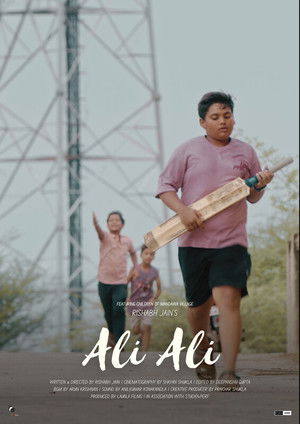
In a quiet Rajasthani village, young Ali clings to his cricket bat as his friends chase it. What starts as playful mischief reveals a film crew struggling to finish their shoot, blurring childhood and the fragile magic of cinema.
The fan's self-sacrificing blades dance in the air, generating a refreshing breeze that wipes away the sweat of others and brings solace on a scorching day.
While you wait to hear if they'll pay your claim, there is almost nothing like the silent buzz at the other end of the line. Or when you say something that requires a response and the world says back, "no worries". There's an art to miscommunication, unthinking, the void, and the customer service call. Phoning it in might just be a necessary part of life. This rough-edged sketch mixing performance art living and film is a study of the phone call, American doofiness, and blank minds under the reign of the corporate call script. Everyone is impotent in the institutional setting.
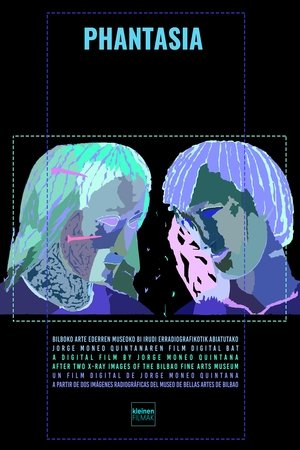
X-ray images were invented in 1895, the same year in which the Lumière brothers presented their respective invention in what today is considered to be the first cinema screening. Thus, both cinema and radiography fall within the scopic regime inaugurated by modernity. The use of X-rays on two sculptures from the Bilbao Fine Arts Museum generates images that reveal certain elements of them that would otherwise be invisible to our eyes. These images, despite being generally created for technical or scientific purposes, seem to produce a certain form of 'photogénie': they lend the radiographed objects a new appearance that lies somewhere between the material and the ethereal, endowing them with a vaporous and spectral quality. It is not by chance that physics and phantasmagoria share the term 'spectrum' in their vocabulary.
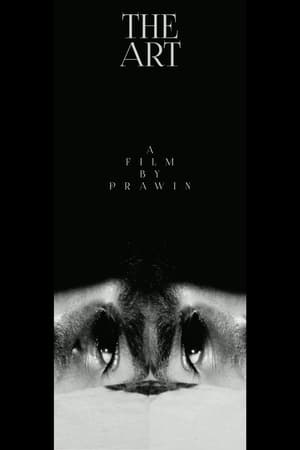
Human, Tears, Art
In the midst of a professional crisis, a couple decides to leave everything behind and start a new business.
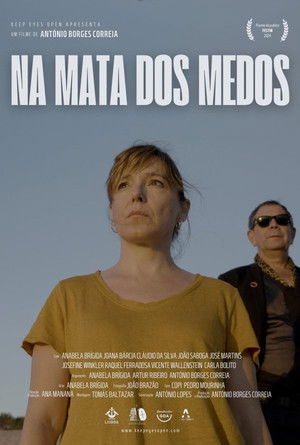
A reclusive former star of British cinema reflects on the loss of her child and her past life in the spotlight.
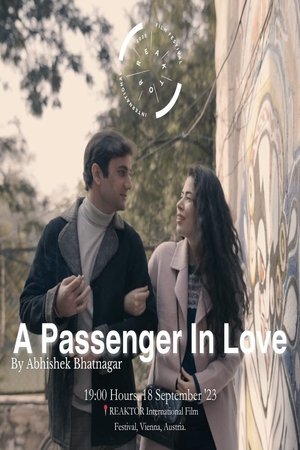
An introverted guy randomly asks a girl out at the Delhi train station on a day date. They spent the entire day getting to know each other. One is keeping a secret and the other longs for love. Will destiny intervene?
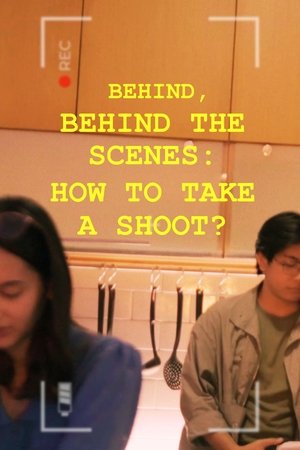
As a film director works on his submission for a film festival, the mounting issues during production reveal what truly unfolds behind (the scenes) what we've seen.
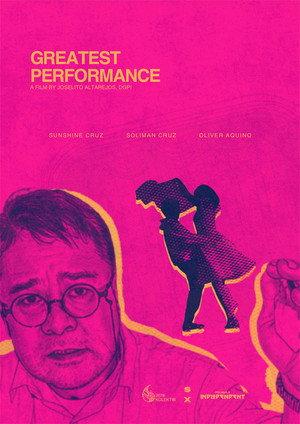
During a film shoot where abuse is disguised as artistic direction, a comeback actress commits a devastating performance to survive, exposing how cinema can construct and legitimize violence. In Ang Lihim ni Teresa (Teresa's Secret), she enters a set where authority is absolute and cruelty is framed as discipline. As production unfolds, she loses control over body, emotion, and authorship, where survival is mistaken for consent. When violence escalates, she chooses to live, burying the truth as the director’s collapse is rewritten as myth. The set becomes a crime scene without witnesses. In the aftermath, she is praised for her “courage” while a sound technician retreats into silence. At a commemorative screening, celebration fractures, revealing cinema’s ability to transform violence into narrative and absolution. The myth of the Kataw appears briefly through Ang Lihim ng Kataw (The Secret of Kataw).
In March 2020, an Argentine woman flees New York with her Peruvian husband for his family’s empty beach house outside of Lima, whereupon an unplanned pregnancy precipitates the destruction of her marriage. In the present, she rips the moments of this narrative from their context, and reconstructs her story to reckon with her profound feeling of loneliness and the experience of time in which it has trapped her.
A gorilla escapes from a Mexican zoo and goes on a bloody rampage through a small town.
Twenty-six years after outrunning a suspiciously familiar masked killer, the Core Four are back in the killer's crosshairs and no horror movie IP is safe.
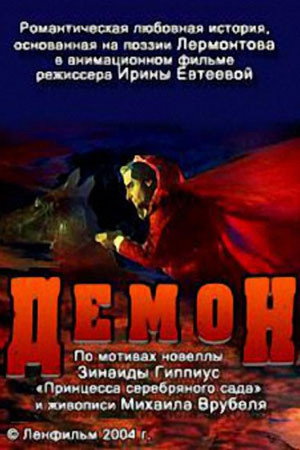
Based on a painting by M. Vrubel, a poem by M. Lermontov and the play "Faust" by Goethe. This film is the first part of the trilogy 'Everlasting Variations'. The author attempts to expose the atmosphere of early 20th century Russian romanticism, which Vrubel's works so brilliantly illustrate.
Alexia is 17 years old and she doesn't understand herself. She seldom feels sad, irritated or moody without reason. But what would happen if, for an instant, she were able to put into words everything that troubles her, if she were able to discover what is happening to her?
Alice, a recently widowed director, is alone on her grief after her daughter leaves home. Alice clings to the only structure she has, a fragile foundation at risk of collapsing: an essay film project, about first loves, dependent on funding. Suddenly we enter in another dimension, another place and without prior notice we are in the film conceived by the director.
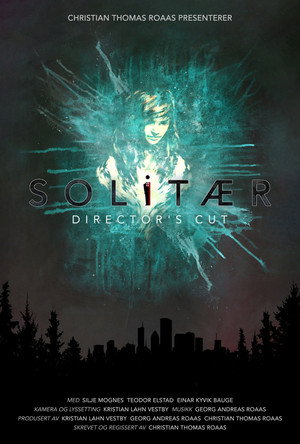
A brief, but dramatic and dark period in the life of a young man.
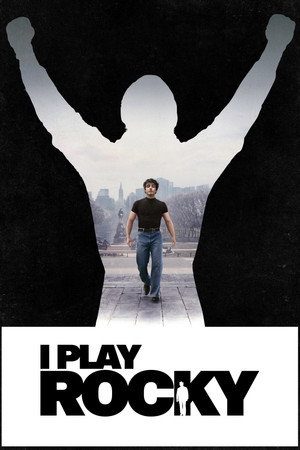
The electrifying true story about an unknown actor with an unshakable belief that he wasn't just meant to write Rocky—he was meant to be Rocky Balboa. Told "no" at every turn, Sylvester Stallone bets everything on himself, holding the line on playing the lead against seemingly impossible odds.
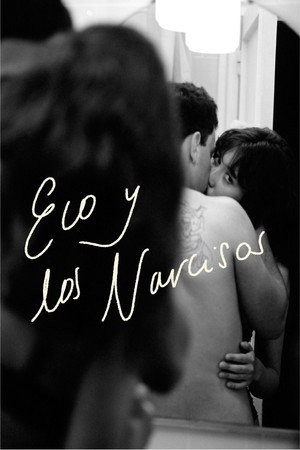
A young woman drifts through a series of intimate encounters while writing in her diary about loneliness and her need to be seen.
An artist on the verge of finishing his dream.