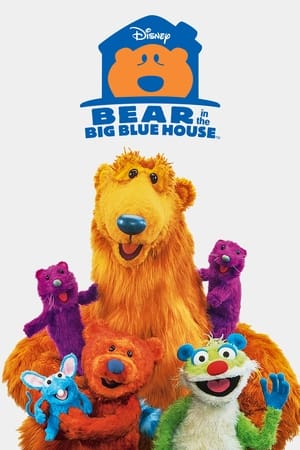
The series provides children with valuable tools for growth in key areas of music, social skill development, and cognitive learning through integrated programs combining music, movement, and exploration. With Bear and all his friends, learn about cooperation, teamwork and more.
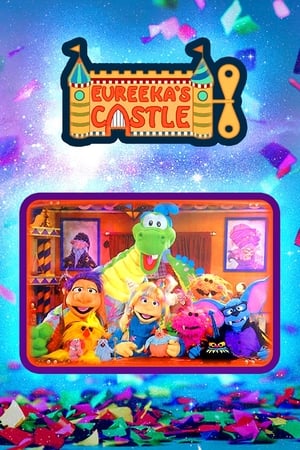
Eureeka's Castle is an American children's television series that aired on Nickelodeon from September 4, 1989 to June 30, 1995.
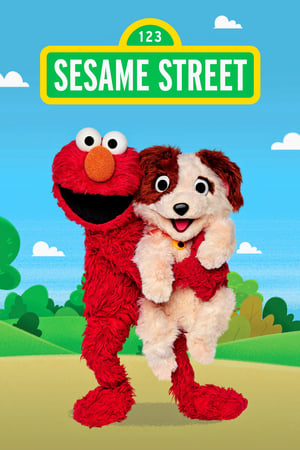
On a special inner city street, the inhabitants—human and muppet—teach preschoolers basic educational and social concepts using comedy, cartoons, games, and songs.
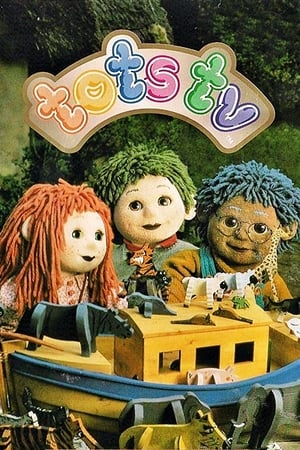
Features three ragdoll friends: Tilly, a French girl, with red hair, who speaks in basic French, Tom, a blue haired boy with glasses, and Tiny, the youngest Tot, who is smaller than the others and has green hair. The Tots either stay in their secret house, play games and make exciting discoveries, or they go outside to explore an everyday area in the real world.
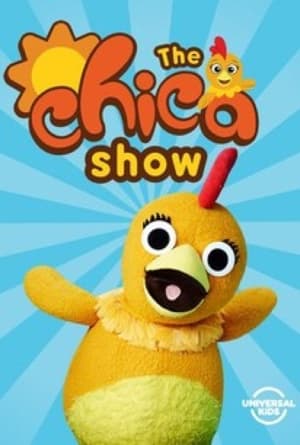
Puppet chicken Chica and her friends and family run The Costume Coop, a fun-filled shop full of costumes. While dressing up and helping customers, she and the viewers learn valuable life lessons. And when the shop closes, they embark on animated adventures that further convey each episode's message.
A pink-haired girl named Stephanie moves to LazyTown with her uncle (the mayor of LazyTown), where she tries to teach its extremely lazy residents that physical activity is beneficial.
Spitting Image is an award winning British satirical puppet show, created by Peter Fluck, Roger Law and Martin Lambie-Nairn. The series was produced by Spitting Image Productions for Central Independent Television over 18 series which aired on the ITV from 1984 to 1996. The series was nominated and won numerous awards during its run including 10 BAFTA Awards, including one for editing in 1989, and even won two Emmy Awards in 1985 and 1986 in the Popular Arts Category. The series featured puppet caricatures of celebrities famous during the 1980s and 1990s, including British Prime Minister Margaret Thatcher and fellow Tory politicians, American president Ronald Reagan, and the British Royal Family. The Series was the first to caricature the Queen mother.
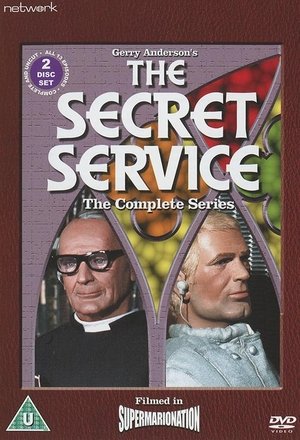
The Secret Service is a 1969 British children's espionage television series, produced by Century 21 / ITC Entertainment for Associated Television, Granada Television, and Southern Television. Created by Gerry and Sylvia Anderson, and produced by David Lane and Reg Hill, it was the eighth and final Century 21 production to feature Supermarionation. Under the direction of Gerry Anderson, who wanted to compensate for the inadequacies of Supermarionation and increase the realism of the format, The Secret Service incorporates footage of live actors for long-distance shots. Father Stanley Unwin, voiced by and resembling the real-life comedian of the same name, is the parish priest of a rural English village. But Unwin is in fact a secret agent for BISHOP, a covert British Intelligence branch that battles international criminal and terrorist threats. Aided by junior operative Matthew Harding, Unwin answers to his London-based superior 'The Bishop', as he would in his public profession.
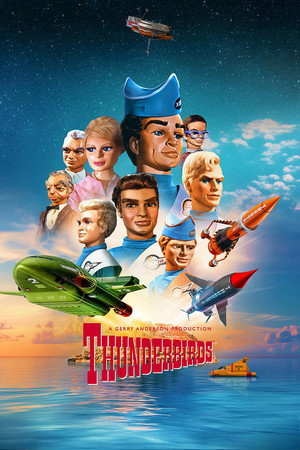
Thunderbirds is a 1960s British science-fiction television series which was produced using a mixed method of marionette puppetry and scale-model special effects termed "Supermarionation". The series is set in the 21st century and follows the exploits of International Rescue, a secret organization formed to save people in mortal danger with the help of technologically advanced land, sea, air and space vehicles and equipment, launched from a hidden base on Tracy Island in the South Pacific Ocean.
Willie Wonderful was a black-and-white television programme that aired on NBC Channel 13 in Eau Claire, Wisconsin in the mid-1950s. It featured puppets and calliope music. It was a locally produced show with several different puppet children. The star of the show was Willie. The show aired in the afternoons after school. The Willie Wonderful theme song is: We love little Willie, we do, we do, We love little Willie, we do! We love little Willie and you will too When you know Willie like we all do! The song was accompanied by a calliope and ended with two loud calliope toots
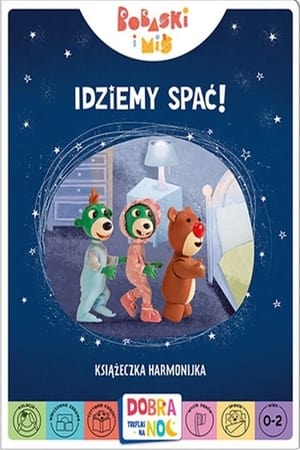
Bobaski i Miś
Greg the Bunny is an American television sitcom that originally aired on Fox TV in 2002. It starred Seth Green and a hand puppet named Greg the Bunny, originally invented by the team of Sean S. Baker, Spencer Chinoy and Dan Milano. Milano and Chinoy wrote and co-produced the Fox show.
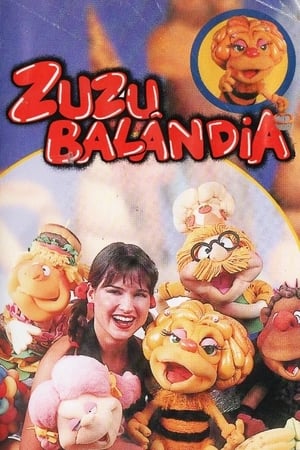
Zuzubalândia is a kingdom of goodies. The mountains are of ice cream, the rivers of chocolate, the sun is of candy and the moon is of honey. In this world of hotness, the bee Zuzu and his friends have fun adventures.
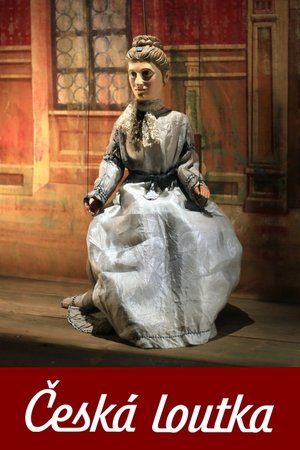
Česká loutka
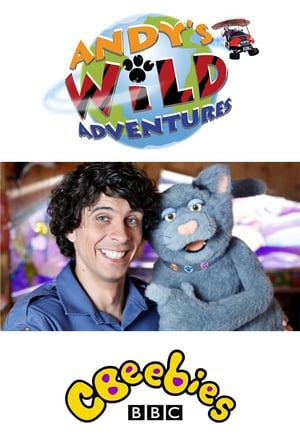
Children's nature series. Andy Day embarks on wild adventures with his puppet friend Kip the cat. Their adventures take them all around the world in search of weird and wonderful animals.
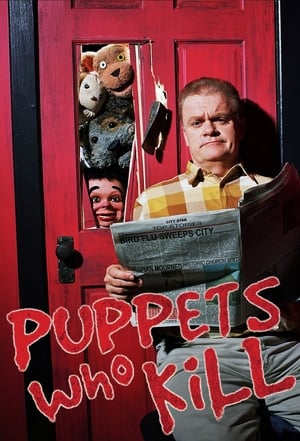
Puppets Who Kill is a Canadian television comedy programme co-produced by The Comedy Network. It premiered in Canada on the Comedy Network in 2002, and in Australia on The Comedy Channel in 2004. In Puppets Who Kill, Rocko the Dog, Cuddles the Comfort Doll, Buttons the Bear, and Bill the Dummy are four live, anthropomorphic puppets with a history of delinquency and recidivism. Canadian courts sent each of them to a halfway house for puppets, operated by a man named Dan Barlow.
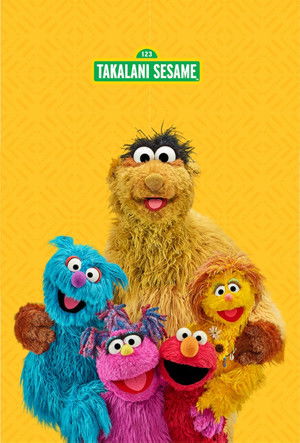
Takalani Sesame is the South African version of the children's television program Sesame Street. Co-produced by Sesame Workshop and South African partners,
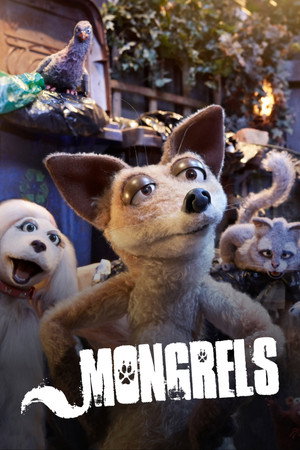
Nelson 'the urbane fox' and his anthropomorphic animal friends navigate the urban jungle from their home in London's East End in a puppet sitcom for adults.
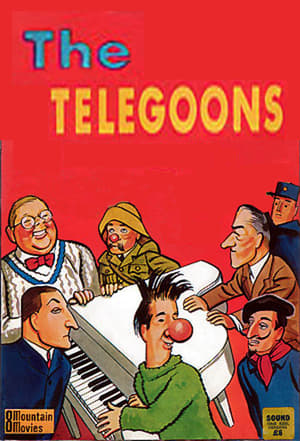
The Telegoons is a comedy puppet show, adapted from the highly successful BBC radio comedy show of the 1950s.
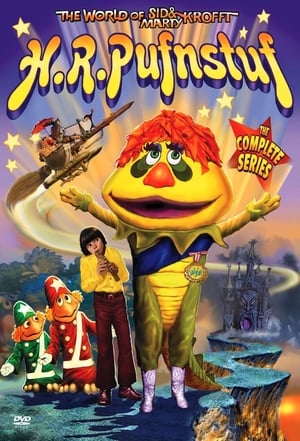
H.R. Pufnstuf is a children's television series produced by Sid and Marty Krofft in the United States. It was the first Krofft live-action, life-size puppet program. The seventeen episodes were originally broadcast from September 6, 1969 to December 27, 1969. The broadcasts were successful enough that NBC kept it on the Saturday morning schedule until August 1972. The show was shot in Paramount Studios and its opening was shot in Big Bear Lake, California. Reruns of the show aired on ABC Saturday morning from September 2, 1972 to September 8, 1973 and on Sunday mornings in some markets from September 16, 1973 to September 8, 1974. It was syndicated by itself from 1974 to 1978 and in a package with six other Kroft series under the banner Kroft Superstars from 1978 to 1985. In 2004 and 2007, H.R. Pufnstuf was ranked #22 and #27 on TV Guide's Top Cult Shows Ever.