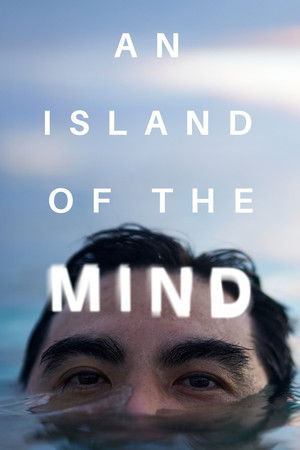
With nearly two million people living in miserable conditions in Gaza, the Israeli blockade has taken its toll on mental health there. Against the backdrop of the border clashes earlier in 2018 this film goes deep inside the minds of the people of Gaza to explore the mental health issues affecting many there.
What if, instead of bombs, we dropped watermelons? Dreamy and hopeful, this animated short sweeps us up into a colourful world where layers of reality and creativity intersect. Our protagonist navigates through it all seamlessly, and in the process shows us the importance of imagination.
In May 1998, a year before the massacre at Columbine High, 15-year-old Kip Kinkel murdered his mother and father, and then opened fire at Thurston High School in Springfield, Oregon, killing two fellow students and wounding 25 others. In this first in-depth television examination of a school shooter, FRONTLINE reveals the intimate inside story of how the “shy and likeable” Kip Kinkel from a solid middle-class family became the boy police call “a cold-hearted killer.”
Filmmaker Stephen Hosier takes a journey with Richard Csanyi, his childhood friend, as he investigates the life and death of his twin brother Attila, who was found dead on a rooftop in 2020.
The portrait of a woman who is driven to illness and despair by her circumstances.
It’s the second semester of junior year for Pierce “Sparni” Sparnroft, a gifted jazz vibraphonist studying at Montclair State University in New Jersey. Sparni’s prospects on the vibes were rejuvenated by their new professor, the world-renowned Steve Nelson, and are to be showcased during a student-driven recital in May 2023. But all the while, Sparni must face a crisis within.
Initially airing on HBO's "America Undercover" series, this riveting documentary focuses on three families shattered by the psychiatric disorder of schizophrenia. Subjects "Bob," "Missy" and "Steven" have lived for over a decade with schizophrenia. The film documents the difficult day-to-day existence of both those afflicted with this order and the families searching for answers to their loved ones' suffering. This film also shows the varied and variably successful treatment methods for each of the subjects—one is placed in a group home, one is placed in an institution, and one is cared for at home. The documentary was critically acclaimed for its compassionate treatment of mental illness.
Traces the life and mental illness of New York artist and photographer Ruth Litoff, and her sister's struggle to come to terms with her tragic suicide.
In his first HBO comedy special, Gary Gulman offers candid reflections on his struggles with depression through stand-up and short documentary interludes. While speaking to issues of mental health, Gulman also offers his observations on a number of topics, including his admiration for Millennial attitudes toward bullying, the intersection of masculinity and sports, and how his mother's voice is always in his head.
In 1983, the director’s 24-year-old sister developed symptoms of schizophrenia. Her parents couldn’t accept it—refusing to seek treatment for their sick child, they confined her to their house, to the point of even fixing a padlock on the front door to lock her in. Her younger brother, suspicious of his parents’ actions, began filming the family in an effort to openly question them. A family conflict that lasted over twenty years.
"Beyond Hoarding" takes a fresh look at hoarding through the experiences of people afflicted with this compulsion. Mental health experts shed light on this psychiatric disorder which is treatable.
Four-time Emmy winner John Kastner was granted unprecedented access to the Brockville facility for 18 months, allowing 46 patients and 75 staff to share their experiences with stunning frankness. The result is two remarkable documentaries: the first, NCR: Not Criminally Responsible, premiered at Hot Docs in the spring of 2013 and follows the story of a violent patient released into the community. The second film, Out of Mind, Out of Sight, returns to the Brockville Mental Health Centre to profile four patients, two men and two women, as they struggle to gain control over their lives so they can return to a society that often fears and demonizes them.
Documentary about Manuel Méndez, better known as Manolo Kabezabolo, a punk artist who in a somewhat implausible way has crossed time, space and fashions, without giving up his essences and principles.
Sparked by the impending 25th anniversary of the Academy award-winning film Shine, this documentary explores the power of the musical brain. Featuring exclusive, intimate footage of superstar international musicians in their private worlds, it opens an intriguing portal into the musical mind.
Staged as a series of voiceover sessions, written with gloriously off-balanced precision and dipped in the color green, THE FUTURE TENSE unfolds as a poignant tale of tales, exploring the filmmakers’ own experiences in aging, parenting, mental illness, along with the brutal history that lies submerged beneath Ireland’s heavy, moist earth.
Western culture treats mental disorders primarily through biomedical psychiatry, but filmmakers Phil Borges and Kevin Tomlinson reveal a growing movement of professionals and survivors who are forging alternative treatments that focus on recovery and turning mental “illness” into a positive transformative experience.
Scott Panetti was tried for the capital murder of his parents-in-law on September 8, 1992 in Gillespie County, Texas. He was subsequently sentenced to death on September 22, 1995. Panetti has an extensive history of mental illness, including schizophrenia, manic depression, auditory hallucinations and paranoia. Panetti was hospitalized, both voluntarily and involuntarily for mental illness fourteen times in six different hospitals before his arrest for capital murder in 1992. Following his conviction, Panetti’s former wife, and daughter of the victims, Sonja Alvarado, filed a petition stating that Panetti never should have been tried for the crimes as he was suffering from paranoid delusions at the time of the killings.
When Tita, the heart of her family, begins to lose her memory to Alzheimer’s, her niece looks back at years of family footage to understand the emotional impact of the disease. As the camera becomes a way to care and connect, the film gently explores the quiet struggles of those who take on the role of caregiver and asks what truly remains when memories begin to disappear.
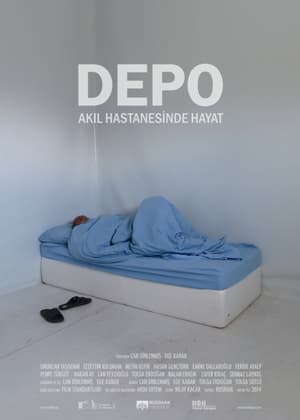
DEPO: AKIL HASTANESİNDE HAYAT
Five subjects from Gen-Z take the PHQ-9 - a survey to assess the degree of one's depression severity. They -also- have a lot to say.