The Invisible Subtitler is an independent documentary about the use of subtitles in cinema and the life of subtitlers themselves, focusing on the economic issues faced by the subtitlers and how they are currently invisible in the globalized business of the film industry.
In the summer of 1968, a group of people assembled in Great Barrington, Massachusetts. They were making a film of John Barth's 1958 novel The End of the Road.
Behind the chaos and creativity of the making of 2003's THE MANSON FAMILY directed by Jim Van Bebber. This feature-length documentary was included on the film's unrated DVD and Blu-ray releases from Severin Films.
The first half is a salute to John Wesley Powell, the first man to explore the Colorado River. Walt Disney presents a behind-the-scenes look at the filming of Ten Who Dared on the same waters. Then the True-Life Adventure Featurette: Bear Country is shown.
The Making of a Mobster: 'Mickey Blue Eyes'
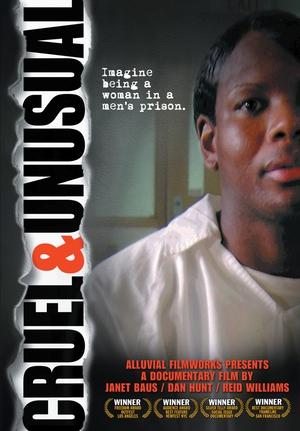
Documentary about the 1980 New Mexico State Penitentiary Riots in which 33 inmates were killed.
Take a front row seat as we sit down to chat with some of the creators and stars of the best and most beloved exploitation and grindhouse films of the 1970s and 80s. Featuring interviews with John Dugan (The Texas Chainsaw Massacre), Craig Reed (The Re-Animator), John Russo (Night of the Living Dead), Lynn Lowry (The Crazies), Carl Crew (Blood Diner), and many more independent horror veterans.
Retrospective documentary featuring interviews with Ethan Wiley, Sean S. Cunningham, Arye Gross and Jonathan Stark, among others.
Staged behind the scenes look at the McWalter movie.
Honing his craft as an indie filmmaker in Germany in the early 90s, Uwe Boll never could have imagined the life that lay before him. From working with Oscar-winning actors and making films with US$60million budgets to having actors publicly disparage him and online petitions demanding he stop making films, Boll continued to work; he has a filmography of 32 features, a career that has led to his new life as a successful high-end restauranteur. Already a cult legend, he will be remembered forever in the film world; for some, as a modern-day Ed Wood, who made films so bad, they're good, while for others, a prolific filmmaker who came from a small town in Germany and never compromised his integrity while forging his own unique Hollywood trajectory.
A documentary exploring the birth, death and resurrection of illustrated movie poster art. Through interviews with a number of key art personalities from the 70s and 80s, as well as many modern, alternative poster artists, “Twenty-Four by Thirty-Six” aims to answer the question: What happened to the illustrated movie poster? Where did it disappear to, and why? In the mid 2000s, filling the void left behind by Hollywood’s abandonment of illustrated movie posters, independent artists and galleries began selling limited edition, screenprinted posters — a movement that has quickly exploded into a booming industry with prints selling out online in seconds, inspiring Hollywood studios to take notice of illustration in movie posters once more.
In 1982, Wim Wenders asked 16 of his fellow directors to speak on the future of cinema, resulting in the film Room 666. Now, 40 years later, in Cannes, director Lubna Playoust asks Wim Wenders himself and a new generation of filmmakers (James Gray, Rebecca Zlotowski, Claire Denis, Olivier Assayas, Nadav Lapid, Asghar Farhadi, Alice Rohrwacher and more) the same question: “is cinema a language about to get lost, an art about to die?”
Aspiring directors Lev Zaretski (a sadist) and Ruslan Romanov (an anime MC) will show you how to properly write a screenplay; cast actors; do a film shoot; and answer questions from annoying film festival attendees.
Handbook of Movie Theaters’ History is a documentary about the history, the development in the present days and the future of movie theaters in the city of Turin, Italy. It mixes the documentary language with comedy and fiction, and is enriched by interviews to some of the most important voices of Turin cinematography. The film follows the evolution of movie theaters by enlightening its main milestones: the pre-cinema experiences in the late 19th Century, the colossals and the movie cathedrals of the silent era, the arthouse theaters, the National Museum of Cinema, the Torino Film Festival, the movie theaters system today and the main hypothesis about its future.
Narrated by historian, critic and filmmaker Elvis Mitchell, this documentary reflects the development of the iconic filmmaker's signature style, through the making of one of his benchmark films, Blackmail. The documentary highlights the birth of the "Hitchcock Touch" at a period when talking pictures first emerged and explores his trademark themes, like such as murder, suspense and cool blondes. While focusing on Blackmail, the documentary reveals how this film also foreshadows the director's later masterpieces, from Psycho to North by Northwest and from The Birds to Frenzy.
In their own haunting words, Fleece Johnson and Donta expose the brutal truth of prison-where power is taken, not given, and survival means exploiting the weak. This powerful film exposes the harsh truth of prison to steer youth away before it's too late.
À l'ombre de l'abbaye de Clairvaux
Weaving together the voices of women entangled in the criminal justice system, along with leading scholars on prison abolition, this film provides a critical analysis of the disfunctionality and violence of the prison system.
George Lucas and Steven Spielberg tell the struggles and the passion for making the Indiana Jones Trilogy.
A French documentary on Superman actor Christopher Reeve as told by his French voice dubbing actor, Pierre Arditi.