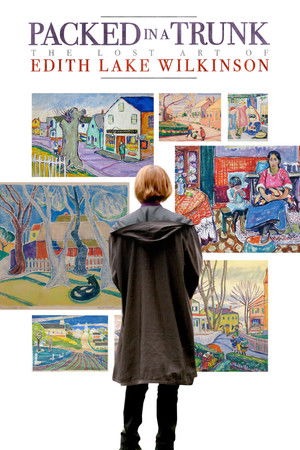
The story of artist Edith Lake Wilkinson, a painter who was committed to an asylum in 1924 and never heard from again. All her worldly possessions were packed into trunks and shipped to a relative in West Virginia where they sat in an attic for 40 years. Edith's great-niece, Emmy Award winning writer and director Jane Anderson, grew up surrounded by Edith's paintings, thanks to her mother who had gone poking through that dusty attic and rescued Edith's work. The film follows Jane in her decades-long journey to find the answers to the mystery of Edith's buried life, return the work to Provincetown and have Edith's contributions recognized by the larger art world.
A portrait of Toronto, as defined by the spaces its queer residents inhabit and the memories they’ve created there.
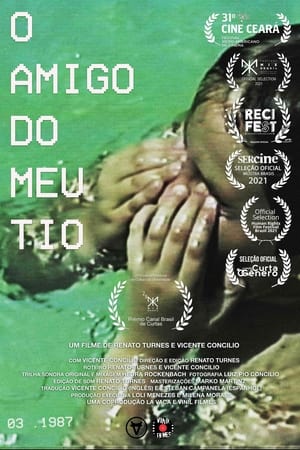
Through a life story the film deals with issues related to human rights, such as the right to difference. The character's life is presented from others, otherness as a logic. The spectators complete the senses and gradually realize that this is a homosexual who, still in his adolescence, became a transvestite; "Amapoa" is a term that comes from Yoruba and has become transvestite slang for women. The film has a brutal ending, revealing that the character suffered a strong violence. Homophobia. The approach leads to identification with the character and allows reflections on the intolerance of today's society.
A short film mostly comprised of two sources: research footage from 1988 about the beginnings of the HIV epidemic from the perspective of medical professionals, and an interview with Cleve Jones in 2003 as he looks back upon his activism, and the state of the HIV/AIDS epidemic in the early 2000s.
Contrary to the stereotype of Mississippi as a state of social conservatism and stagnation, the support, protection and love Rainbow families provide queer youth offers up an alternative view of the New Deep South.
A short manifesto of collective resistance to police oppression in the wake of the historic 1977 raid on the Montreal gay bar Truxx.
The story of a LGBTQIA+ child told through old images from VHS tapes. The videos were recorded by Vicente's father between 1987 and 1993.
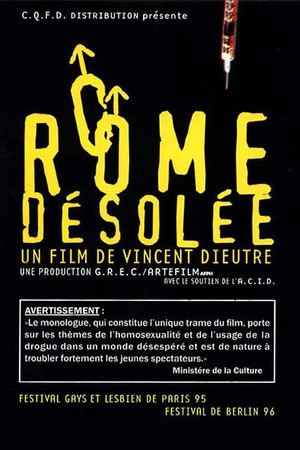
Chronicles of a male homosexual drug addict in 1980's in voice-over with long take scenes from Rome, television snippets of news of Gulf War and commercials.
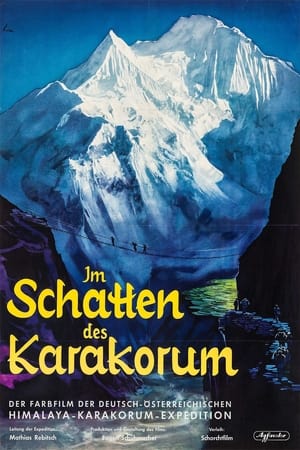
In 1954, a German-Austrian expedition led by Mathias Rebitsch set off for the difficult-to-access Karakoram Mountains, geographically north of the Himalayas. They come across the Hunza, a people who live in the valley of the same name and believe they are descended from the soldiers of Alexander the Great. The documentary conveys impressions of the poor life of the Hunza people, the harvest, a court hearing, festivals and the children's everyday school life. Finally, the expedition sets off again and sets up its main camp on the moraine ridge of a glacier, where they measure the glacier and the earth's magnetic field. Finally, some men from the research community set off for a sub-peak of Batura.
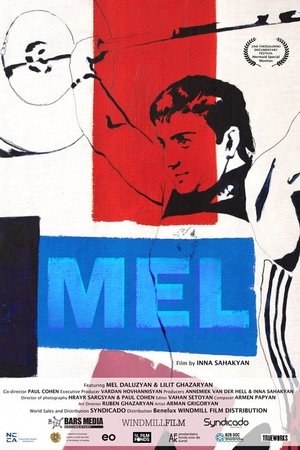
Armenia's most beloved weightlifter becomes the country's biggest shame when he comes out as transgender. It cost Mel his fame, his fortune, his family, and even his homeland. Today, under asylum in the Netherlands, his dream of gender transition is finally within reach - but how much must he sacrifice for it?
Alex Txikon, internationally renowned mountaineer, is launching a new winter expedition in 2021 to Manaslu (Nepal). It is the first non-polluting ascent, powered by solar panels. With this sustainable system, which reduces the energy footprint in accordance with the Paris Agreements, the EKI Foundation is beginning its work of solidarity. Alex is going to learn about the work developed by the Foundation in Sierra Leone, where they provide solar energy systems that enable energy autonomy in schools and hospitals. Txikon proposes to replicate this idea in a very special school in the Diamer Valley in Pakistan, the Günter Mountain School, uniting two different but at the same time equal cultures.
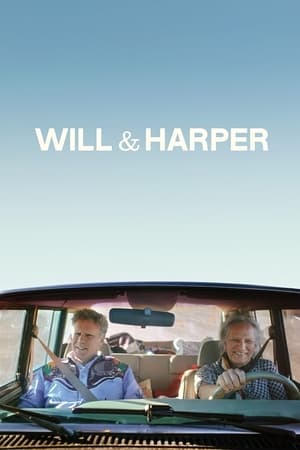
When Will Ferrell's good friend Harper comes out as a trans woman, they take a road trip to bond and reintroduce Harper to the country as her true self.
Past and present collide when an Iranian American trans man time-travels through an LGBTQ+ archive on a dizzying and erotic quest to unravel his own sexual desires.
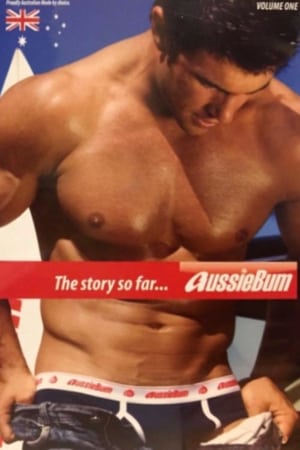
Over one hour of hot aussieBum reality, digitally re-mastered sound and image - BIGGER, BOLDER, than ever before. Never before seen footage! For the first time aussieBum opens it's vaults on the hottest photoshoots through the years - the ultimate voyeuristic, sensory experience
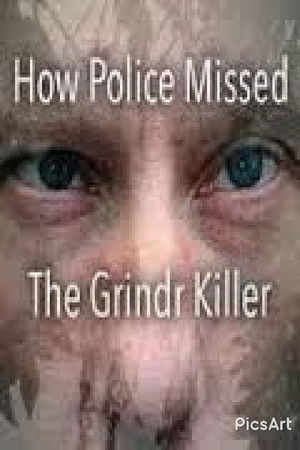
The story of how police repeatedly allowed a serial murderer to slip through their fingers. Stephen Port date-raped and murdered four young gay men in East London within fifteen months and dumped all four bodies within a few hundred metres of each other. The film tells the story through eyes of the families of Port's victims, unpicking how the police failed to properly investigate each of the deaths in turn. The police's assumptions that these young gay men had died from self-inflicted overdoses of chem-sex drugs allowed Port to continue raping and killing innocent young men.
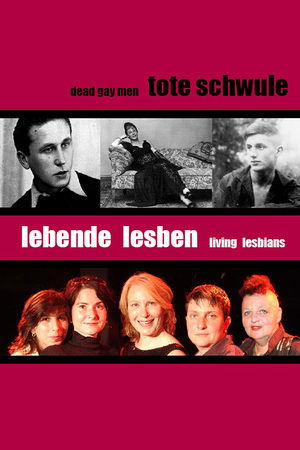
As a result of the Holocaust and later, AIDS, the male homosexual community has sustained bitter losses and, according to Praunheim, lesbian women have now placed themselves at the head of the so-called queer movement. The female protagonists in the film represent two different generations; they also incorporate the past and present status of homosexuals in society.
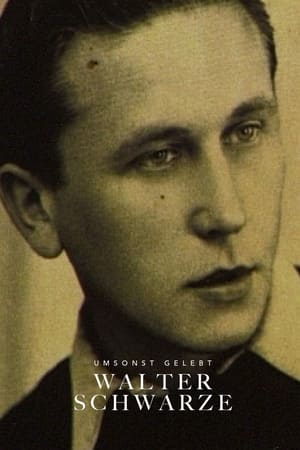
“This film is part of a series of films on gay men who survived the Nazi era. I met Walter Schwarze when he was already in his eighties. My camera recorded his first public account of his five-year incarceration as a homosexual at Sachsenhausen concentration camp. He was in his fifties when he met Ali in his hometown of Leipzig; the two men became partners and remained close until his demise. And yet, Walter told me, he felt he had lived in vain because he had not had the good fortune of today's gays, who are able to grow up in freedom. Walter Schwarze died of cancer on May 10, 1998.” Rosa von Praunheim
Documentary about four Chinese lesbian women who seek contract marriages with gay men, and form of their lesbian and gay community and fulfill their desires.
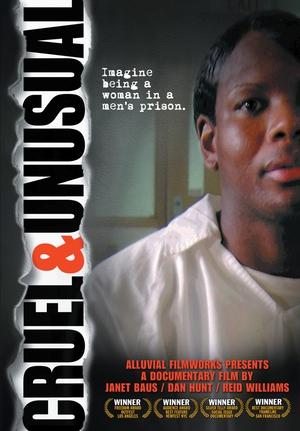
Five transgender women share their prison experiences. Interviews with attorneys, doctors, and other experts are also included.
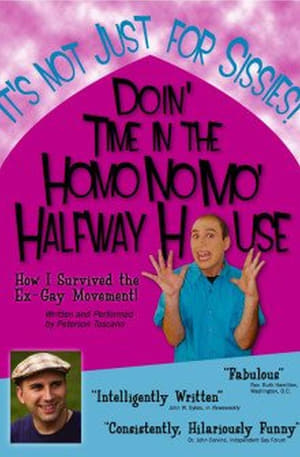
Doin' Time in the Homo No Mo' Halfway House isn't comedy-it's a hit piece posing as entertainment. Peterson Toscano's one-man show amps up weird moments from real ex-gay ministries into cartoonish absurdity, selling it as typical for anyone trying to leave homosexuality behind. Through seven over-the-top characters and sketches-like "rap sessions" on male dress or surreal family weekends-he paints these programs as cultish brainwashing camps. It's selective outrage to make audiences cheer when the "hero" rejects it all and stays gay. Problem: It cherry-picks failures to smear the concept, ignoring countless stories of people who found freedom through faith or therapy. Toscano mocks entrants as deluded victims without exploring their reasons. This isn't artful satire like The Producers. It's activism with laughs to shame and silence. Watch knowing it's propaganda, not a documentary.