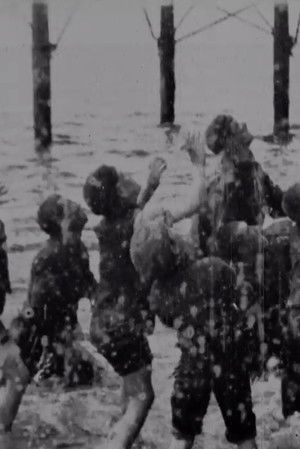
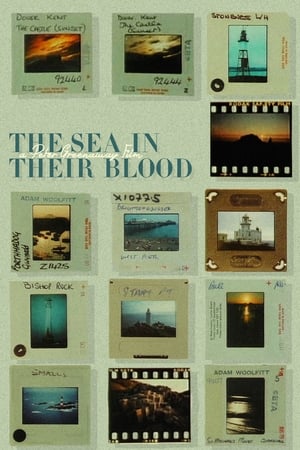
Young boys going into the sea water by Brighton's West Pier in the UK to pick up pennies thrown in by people on the pier.
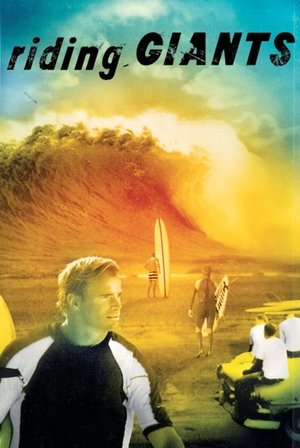
Riding Giants is story about big wave surfers who have become heroes and legends in their sport. Directed by the skateboard guru Stacy Peralta.
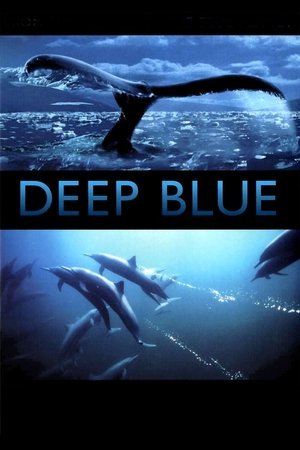
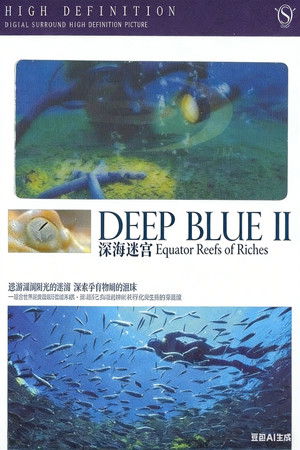
Deep Blue is a major documentary feature film shot by the BBC Natural History Unit. An epic cinematic rollercoaster ride for all ages, Deep Blue uses amazing footage to tell us the story of our oceans and the life they support.
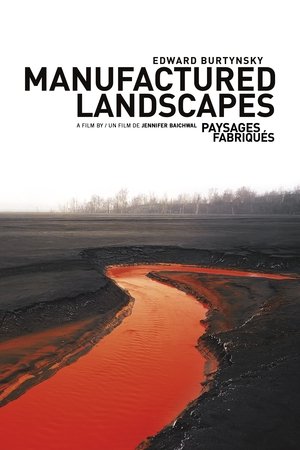
MANUFACTURED LANDSCAPES is the striking new documentary on the world and work of renowned artist Edward Burtynsky. Internationally acclaimed for his large-scale photographs of “manufactured landscapes”—quarries, recycling yards, factories, mines and dams—Burtynsky creates stunningly beautiful art from civilization’s materials and debris.
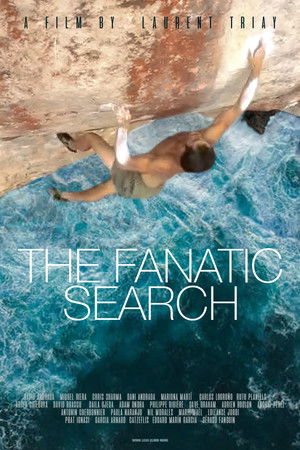
After a nice and slow start with some gorgeous deep water soloing footage from Mallorca, the movie slowly increases in tempo with footage of Sharma on what is now the potential 9b ‘ Golpe De Estado’ in Siurana, Dani Andrada linking most of the moves on some the craziest routes in the Ali Baba cave in Rodellar and other inspirational footage of routes being sent in Spain (Siurana, Santa de Linya, Rodellar).
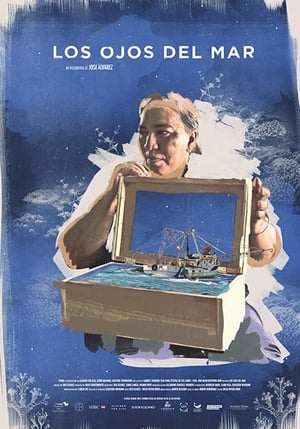
A woman with a troubled past embarks on a journey to deliver a message from the grieving families of fishermen lost at sea five years ago, at their last known location in the Gulf of Mexico. Her odyssey becomes one of personal redemption.
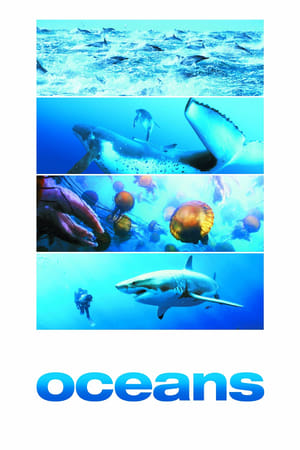
An ecological drama/documentary, filmed throughout the globe. Part thriller, part meditation on the vanishing wonders of the sub-aquatic world.
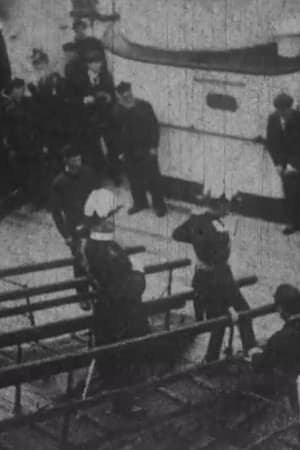
Actuality film. Late 19th century General Officer ranks and higher cross to a ship over a gangplank. As VIPs they meet some people which we don't get to see, then cross back again, getting caught in a crowd melée at the top of the stairs from the quayside.
A slice-of-life documentary following Ulla, a blind woman adjusting to life after eye removal surgery. With the help of her guide dog, Laina, she navigates Helsinki while pursuing a prosthetic eye and a deeper understanding of photography.
A film made for the Central Office of Information concerning Britain's coastline, with music by Michael Nyman.
The Indonesian archipelago in the Indo-Pacific Ocean comprises thousands of islands, atolls and the largest concentration of coral reefs in the world. This rich and varied environment is a product of a unique set of natural circumstances. The equatorial sun powers ocean currents among the tiny dots of land. Where the archipelago meets the western tip of New Guinea an intersection of ocean currects creates perhaps the world's richest reefs - in the region of the Rajah Ampat Islands. A coral reef houses a myriad of colors, shapes and patterns: from the bulb tentacle anemone which protects, and in turn is protected by, the brightly coloured clownfish; to the multi-branched gorgonian, home of the tiny pygmy seahorses.
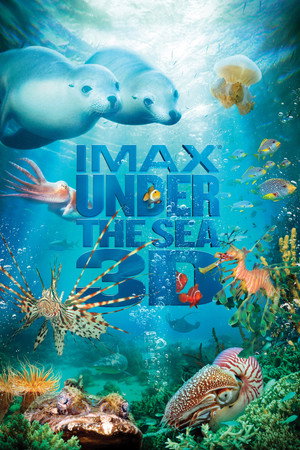
Imagine a world of incredible color and beauty. Of crabs wearing jellyfish for hats. Of fish disguised as frogs, stones and shag carpets. Of a kaleidoscope of life dancing and weaving, floating and darting in an underwater wonderland. Now, go explore it! Howard Hall and his filmmaking team, who brought you Deep Sea and Into the Deep, take you into tropical waters alive with adventure: the Great Barrier Reef and other South Pacific realms. Narrated by Jim Carrey and featuring astonishing camerawork, this amazing film brings you face to fin with Nature's marvels, from the terrible grandeur (and terrible teeth) of a Great White to the comic antics of a lovestruck cuttlefish. Excitement and fun run deep Under the Sea!
Stanley Kubrick’s first color film, commissioned by the Seafarers International Union to promote the benefits of union membership. Shot inside the union’s Atlantic and Gulf Coast District facilities, it features scenes of ships, machinery, cafeteria life, and meetings, highlighting the daily routines and camaraderie of seafarers. Thought lost for decades, the film was rediscovered in 1973 and preserved by the Library of Congress.
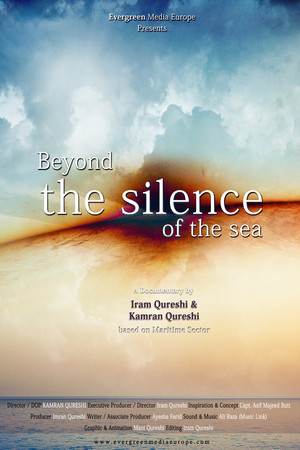
The documentary covers the entire maritime sector, its significance and contribution in the development in a country. Evergreen Media traveled from Karachi to Gadani, to Ormara to Gawadar ports, life of Creeks area, Fisheries, Shipyards, boarded the national flag carriers and landed at naval combat ships. The voyage unfolds the simple and straightforward steps to the prosperity of several nations. The marine sector plays a vital role in the economy of a country though it is seldom visible in everyday life and thus continues to be undervalued. Maritime activities are essential to trade and prosperity. They underpin our quality of life by facilitating the safe, reliable and low cost movement of foodstuffs, consumer goods and raw materials.
Everything you've dreamed about college girls comes true at Spring Break.
14 September 1943: The legendary submarine Y1 “Katsonis” was sunk north of the island of Skiathos by the German submarine chaser UJ 2101. Through the book of XO Elias Tsoukalas who escaped capture and had to swim for nine hours to reach shore, secret documents, and crew members’ diaries, the documentary unfolds the human stories woven around the submarine. Seventy-five years later, with the support of the Hellenic Navy, we search for the submarine sunk at 253 metres depth and film the wreck for the very first time.
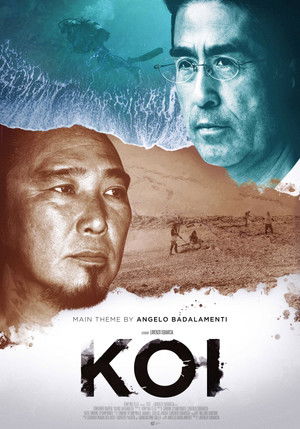
There's no definitive separation as long as there is memory'. Since the Tsunami hit the northern part of Japan's coast in 2011, more than 20 thousand people lost their lives, and many others are still missing. As time went by the families of the victims abandoned all hope and stopped looking for their loved ones. However, this is the story of two men that are still fully committed to their respective searching activities. Even though their backgrounds are extremely different, both share a strong force of will and firmly wish to keep alive the memories of the ones that went missing. Perseverance is what pushed an ex-convict to look for redemption by helping the victims' families to find the remains of their loved ones, and perseverance is what brought a bus driver to start to dive in order to search for his wife.
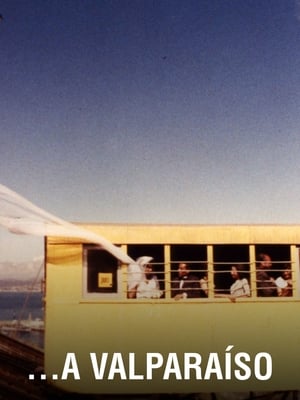
In 1962 Joris Ivens was invited to Chile for teaching and filmmaking. Together with students he made …A Valparaíso, one of his most poetic films. Contrasting the prestigious history of the seaport with the present the film sketches a portrait of the city, built on 42 hills, with its wealth and poverty, its daily life on the streets, the stairs, the rack railways and in the bars. Although the port has lost its importance, the rich past is still present in the impoverished city. The film echoes this ambiguous situation in its dialectical poetic style, interweaving the daily life reality (of 1963) with the history of the city and changing from black and white to colour, finally leaving us with hopeful perspective for the children who are playing on the stairs and hills of this beautiful town.
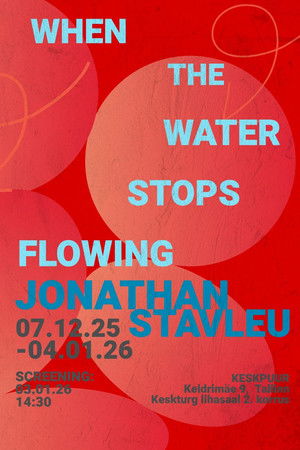
Jonathan Stavleu explores, in a stream-of-consciousness video essay, the relationship people have with water and what happens when access to it is taken away. For this work, he examines anecdotal histories he has heard from Estonians, as well as stories from his own family history in the Netherlands, weaving them together into a journal-like narrative.
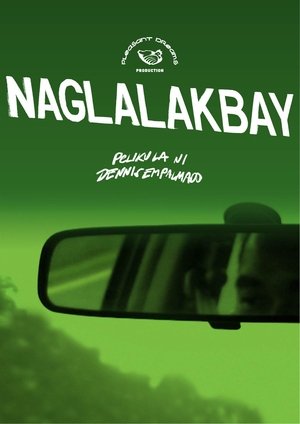
The diaspora of Filipinos around the globe is driven mostly by the economics of supply and demand. The yearning for something better, stability, and self-validation leads a handful of sojourners from the provinces of the Philippines into the arms of one of its former colonial masters — the USA. But what happens when they finally get what they want? And how? Filmmaker Dennis Empalmado explores the musings of Filipino expatriates and hopeful immigrants in "Naglalakbay" (Travelers).