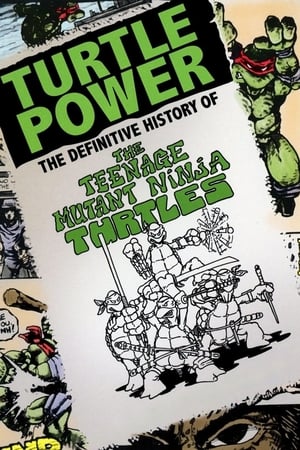
In the spring of 1984, a strange new comic book sat beside cash registers in select shops, too big to fit in the racks, and too weird to ignore. Eastman and Laird's Teenage Mutant Ninja Turtles presented a completely original breed of super hero. It was too bizarre, too crazy. It broke all the rules and should never have worked. Until it sold out. Again and again and again. For 30 years. Now, peek under the shell and see how this so-called "happy accident" defied every naysayer to become one of the most popular and beloved franchises in the world.
A loving portrait of reclusive comic-book writer Tiziano Sclavi, creator of Dylan Dog
Athens, February 1981. Motivated by their shared love for the so-called Ninth Art, a group of people introduces Greek readers to the culture of comic books that are not just for kids. This is the story of the legendary Greek comics magazine Babel and the international comics festivals it organized.
Why do the comic-strip Adventures of Tintin, about an intrepid boy reporter, continue to fascinate us decades after their publication? "Tintin and I" highlights the potent social and political underpinnings that give Tintin's world such depth, and delve into the mind of Hergé, Tintin's work-obsessed Belgian creator, to reveal the creation and development of Tintin over time. Rare and surprisingly candid 1970s interviews reveal the profound insecurities and anxieties that drove Hergé to produce stories that have not only entertained millions of children but also helped to satisfy a personal longing for self-expression.
In 1992, Steve Oto embarked upon a journey from lawyer to comic book retailer. It has been a journey filled with accomplishment and disappointment, friendship and heartbreak, and a dream that would become a nightmare. This documentary shines a light on the unlikely community that has developed at Alternate Realities--one comprised of customers and employees more colorful than even the pages of a comic book.
Interview with Alberto Farina on his Father, the Italian writer and director Corrado Farina.
This short documentary follows 81 year old Joe Leisner, owner of Comic Book Heaven in Sunnyside, Queens, NY as he cantankerously assesses the status of his business, the comic book industry, and his future.
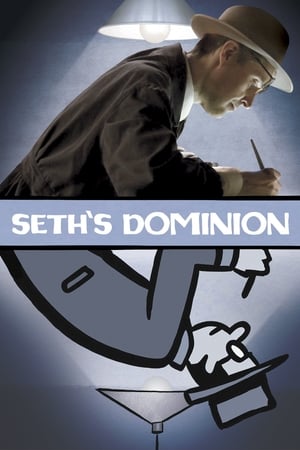
A 2014 National Film Board of Canada animated/live action documentary directed by Luc Chamberland about the Canadian cartoonist Seth.
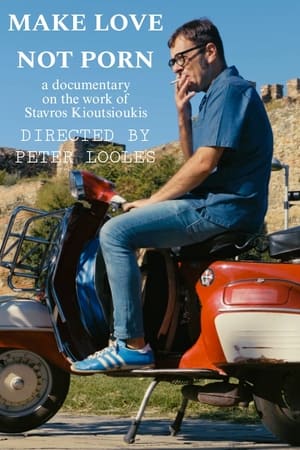
Against the stereotypes of the “ideal” woman and the symbols of Pornography, the women in the works of Greek comic artist Stavros Kioutsioukis preserve their personality: they are the girls next door who try and get their rights in Happiness and Love.
A television documentary portrait of Albert Uderzo, the illustrator and co-creator of Asterix, exploring his life, career and creative work, as well as the origins and enduring success of the beloved comic series.
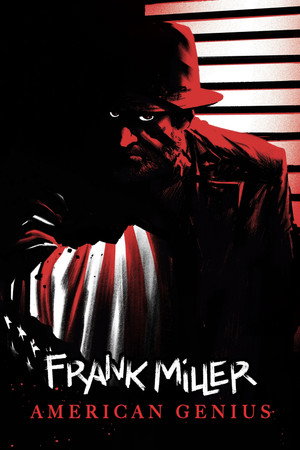
Explore the near half-century career of the legendary comic book artist and writer. Made for his fans following a near death experience, the documentary delves into Miller's radical and defining influence on art, storytelling and culture. Following his small town beginnings in Vermont, to New York City, Hollywood, and beyond; this intimate documentary delves into his failures, successes, self-destruction and re-discovery.
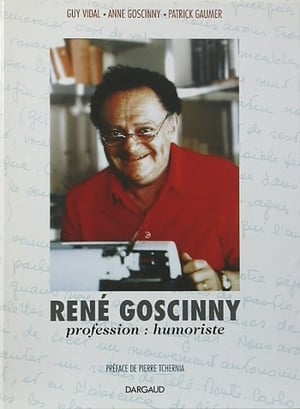
Documentary detailing the life and career of the late René Goscinny, creator of Asterix.
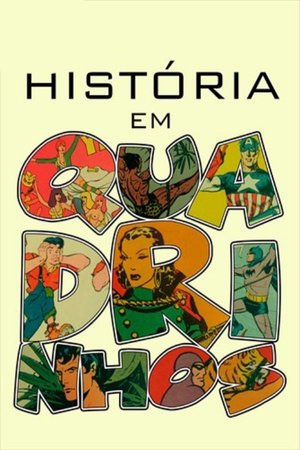
Documentary short that synthesizes the evolution of comic books since Yellow Kid until Spirit.
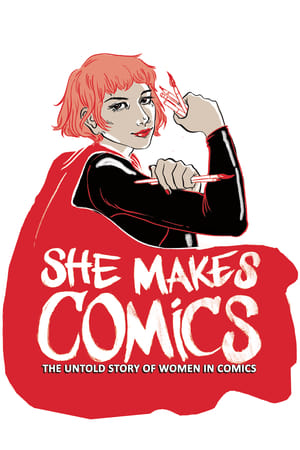
She Makes Comics traces the fascinating history of women in the comics industry. Despite popular assumptions about the comics world, women have been writing, drawing, and reading comics since the medium’s beginnings in the late 19th century. And today, there are scores of women involved in comics and its vibrant fan culture. Featuring dozens of interviews with such vital figures as Ramona Fradon, Trina Robbins, Joyce Farmer, Karen Berger, Kelly Sue DeConnick, and Becky Cloonan, She Makes Comics is the first film to bring together the most influential women of the comics world.
This documentary explores the connections between elite athletes and Marvel superheros such as Spider Man, Black Widow and Captain America.
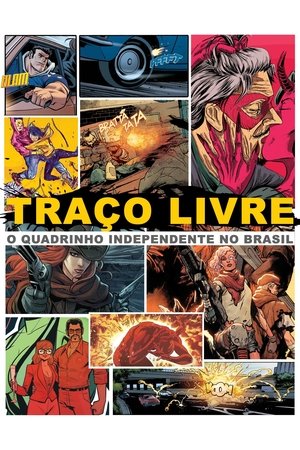
Documentary about the universe of independent comics in Brazil.
This documentary short tells the story of cartoonist David Boswell and his greatest creation: Reid Fleming, World's Toughest Milkman. In the late '70s, David Boswell birthed Reid Fleming, a counterculture icon in the form of a comic book anti-hero. Fast forward to the '80s, Warner Brothers aimed for a Hollywood film. Today, three decades later, Reid Fleming remains stuck in a contractual quagmire. Jonathan Demme, Academy Award-Winner (The Silence of the Lambs, Stop Making Sense), narrates "I Thought I Told You To Shut Up!!" This documentary blends stop-motion animation with interviews from Boswell, Hollywood cohorts, and fans, exploring the enduring allure of the indomitable Reid Fleming, the World's Toughest Milkman.
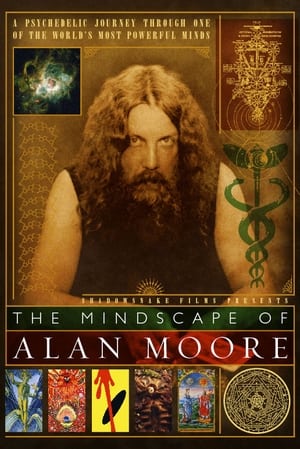
The Mindscape of Alan Moore is a psychedelic journey into one of the world's most powerful minds; chronicling the life and work of Alan Moore, author of several acclaimed graphic novels, including "From Hell," "Watchmen" and "V for Vendetta." It is the only feature film production on which Alan Moore has collaborated, with permission to use his work. Alan Moore presents the story of his development as an artist, starting with his childhood and working through to his comics career and impact on that medium, and his emerging interest in magic.
Filmmaker and comic writer Kevin Smith interviews comic book legend Stan Lee about his life and work in comics across the decades.
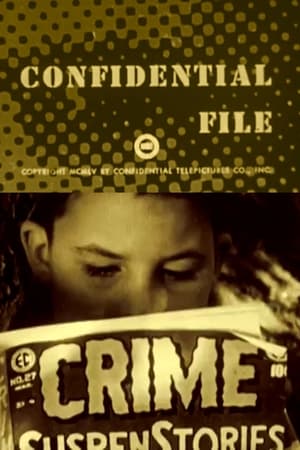
In 1954 the Senate Subcommittee on Juvenile Delinquency conducted an investigation into how the comic book industry was supposedly contributing to the moral decay of a nation's youth. The investigations were spurred on by a number of articles that blamed comics for the rise in juvenile delinquency in post-war America. Chief among the critics was Doctor Frederic Wertham, whose book, "Seduction of The Innocent" has been blamed for nearly single-handedly crippling the entire comics industry. "Confidential File" was aired in 1955, after the senate hearings and the formation of the Comics Code, but it serves as a perfect example of how the media reacted to the comic book industry, and sought a scape goat by blaming the comic book publications for society's own lack of responsibility in raising its children.