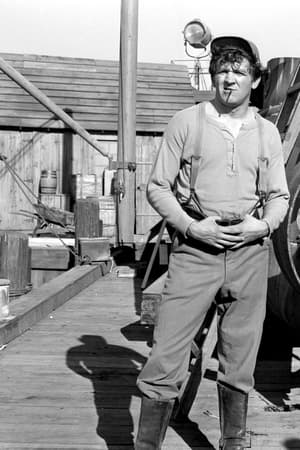
The Great Adventure is a historical anthology series that appeared on CBS for the 1963-1964 television season. The series, narrated each week by Van Heflin, and featuring theme music by Richard Rodgers, presented a weekly one-hour dramatization of the lives of famous Americans and important historical events in American History.
Ford Star Jubilee is an American anthology series that aired once a month on Saturday nights on CBS at 9:00 P.M., E.S.T. from the fall of 1955 to the fall of 1956. The series was approximately 90 minutes long, aired in black-and-white and color, and was typically broadcast live. Ford Star Jubilee was sponsored by the Ford Motor Company.
In this anthology series, heroic scientists risk all to deal with deadly outbreaks.
Startime is an anthology show of drama, comedy, and variety, and was one of the first American television shows broadcast in color. The program was aired Tuesday nights in the United States on the NBC Television network in the 1959-60 television season.
Six stories from six different regions of Thailand: North, South, Isan, Central, East, and West.
This ten episode program was based on ten short stories written by Agatha Christie but with wide-ranging themes. Some were romances, some had supernatural themes and a couple were adventures. The common link was that all came from the talented pen of Agatha Christie, all were entertaining and each drama was carefully crafted and well cast with many of Britain's best known actors of the time represented.
An anthology horror drama series centering on different characters and locations, including a house with a murderous past, an asylum, a witch coven, a freak show, a hotel, a farmhouse in Roanoke, a cult, the apocalypse and a summer camp.
Down deep in the Mississippi Delta, Trap music meets film noir in this kaleidoscopic story of a little-strip-club-that-could and the big characters who come through its doors—the hopeful, the lost, the broken, the ballers, the beautiful, and the damned.
A weekly anthology of inspiring stories, featuring the life experiences of famous personalities – and ordinary people – who loved and lost on their way to success.
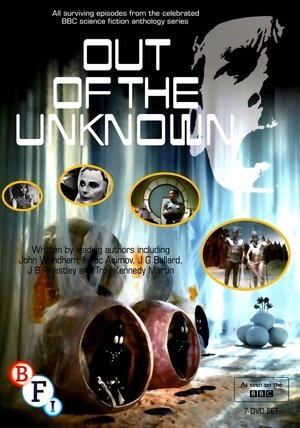
Out of the Unknown is a British television science fiction anthology drama series, produced by the BBC and broadcast on BBC2 in four series between 1965 and 1971. Each episode was a dramatisation of a science fiction short story; some were created for the series, but most were adaptations of already published stories. The first three years were exclusively science fiction, but that genre was abandoned in the final year in favour of horror and fantasy. A number of episodes were wiped during the early 1970s, as was standard procedure at the time.
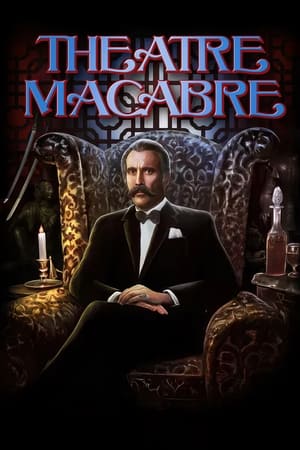
Tales from the Darkside is an anthology horror TV series created by George A. Romero, each episode was an individual short story that ended with a plot twist. The series' episodes spanned the genres of horror, science fiction, and fantasy, and some episodes featured elements of black comedy or more lighthearted themes.
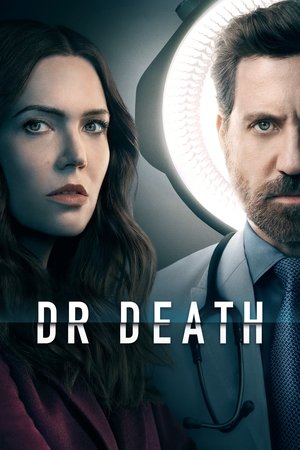
An anthology series about people who are suddenly confronted with uncertain situations.
Kraft Suspense Theatre
Six stories exploring family, love, and friendship across diverse ages and settings. Tied to the goal of building a well-off society by 2020, it highlights how individuals fulfill personal and communal promises, reflecting shared aspirations and connections.
Lytton's Diary is a 1985–86 British comedy-drama programme created and written by Peter Bowles and Philip Broadley. Produced by Thames Television for ITV, it originated as a single play on the anthology programme Storyboard before expanding into two popular series, known for their mix of glamour, intrigue, and social commentary. Bowles stars as Neville Lytton, a suave and successful Fleet Street gossip columnist for the Daily News. Lytton navigates the world of high-society scandals, political corruption, and personal challenges, balancing his professional life with his love life and his ambition to write a novel.
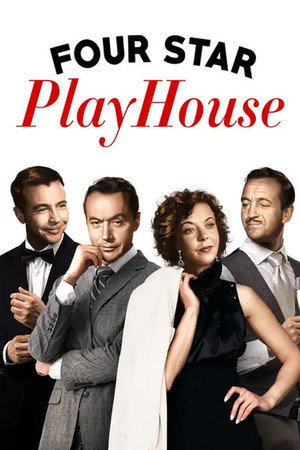
Four Star Playhouse is an American television anthology series that ran from 1952 to 1956, sponsored in its first bi-weekly season by The Singer Company; Bristol-Myers became an alternate sponsor when it became a weekly series in the fall of 1953. The original premise was that Charles Boyer, Ida Lupino, David Niven, and Dick Powell would take turns starring in episodes. However, several other performers took the lead from time to time, including Ronald Colman and Joan Fontaine. Blake Edwards was among the writers and directors who contributed to the series. Edwards created the recurring character of illegal gambling house operator Willie Dante for Dick Powell to play on this series. The character was later revamped and spun off in his own series starring Howard Duff, then-husband of Lupino. The pilot for Meet McGraw, starring Frank Lovejoy, aired here, as did another episode in which Lovejoy recreated his role of Chicago newspaper reporter Randy Stone, from the radio drama Nightbeat.
This 1980s revival of the classic sci-fi series features a similar style to the original anthology series. Each episode tells a tale (sometimes two or three) rooted in horror or suspense, often with a surprising twist at the end. Episodes usually feature elements of drama and comedy.
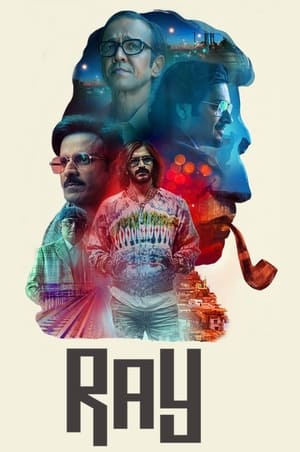
An exploration of different personas in an eclectic collection of four works by critically acclaimed Korean directors.
Series of 54 original televised plays and classic dramas produced by public television station KCET in Los Angeles, featuring all-star talent, was broadcast nationally on the National Educational Television (NET) network and its successor PBS between 1970 and 1978.
Ten Sensational Cases (II) chronicles several horrific crimes, including murder, kidnapping, robbery, and triad-related attacks. Each perpetrator has a different motive, and the crimes' twists and turns make them particularly difficult for law enforcement to investigate. Fortunately, justice ultimately prevails and the criminals are caught. Synopsis: 49 characters.