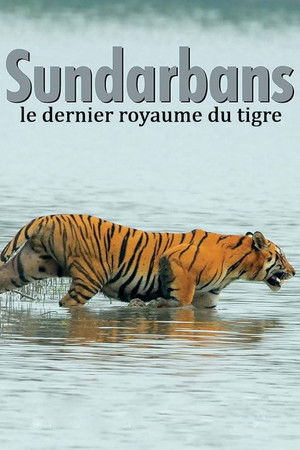
Sundarbans, le dernier royaume du tigre
A sort of non-narrative itinerary between Lyon, Vienne and Valence-Ville that goes exploring the relationships between the interactions and the light it exposes, a reflection of identity and beauty that the shadows goes preserving the perceptions of new space.
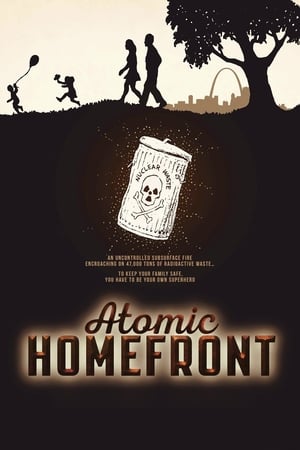
Revealing St. Louis, Missouri's atomic past as a uranium processing center for the atomic bomb and the governmental and corporate negligence that lead to the illegal dumping of Manhattan Project radioactive waste throughout North County neighborhoods.
A Good Wolf is a feature-length documentary film examining a 40-year conflict over a single tract of land adjacent to Denali National Park—a volatile struggle between state and federal authorities, fur trappers and wildlife advocates, and competing human interests on public lands. Armed with thorough data, biologists and activists bring a new proposal to state authorities, hoping to regain protections for wolves near the park boundary. But local trappers are adamantly opposed. Hanging in the balance are some of America’s most iconic landscapes and wildlife -- including the remarkable Wolf 1202.
In the remote Manambolomaty lakes region, a globally unique ecosystem is home to both the Sakalava indigenous people and the endangered Madagascar Fish eagle. Through close collaboration with the local community, the region has become a stunning success for conservation - even as the rest of Madagascar's nature suffers heavy losses.
The image of “snow monkeys” submerged in a hot spring as snow falls around them is iconic. These are Japanese macaques, the northernmost population of monkeys in the world. Highly adaptable, they are the only primates to inhabit environments that range from low coastal plains to mountainous areas 3,000 meters above sea level, with temperatures that can drop to -30 degrees Celsius. How is this single species of macaque able to thrive in such widely diverse habitats? Shot in beautiful 4K UHD, the cameras travel through Japan to capture unique monkey groups displaying different localized food habits, including a world-first footage of monkeys catching live fish as well as how such new behaviors spread among individuals in the pack.
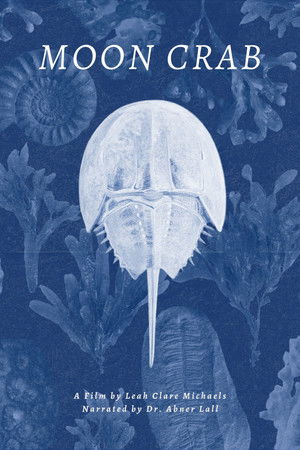
Moon Crab is a meditation on the horseshoe crab, one of Earth's oldest living species now struggling with extreme population decline. Blending reflections on nature's cycles with experimental visuals, the film employs an array of techniques, including eco-processed film developed with seaweed, to immerse the viewer in the crab's subaquatic world. Narrated with intimate depth by physiologist Dr. Abner Lall, the filmmaker’s neighbor, this documentary captures a timeless story of resilience and fragility, urging us to reconsider our connection to the natural world.
An incredible travel through space and time between the walls of the Paris Observatory, which is celebrating its 350th birthday. Place of discoveries such as speed of light or Neptune’s existence, it is still today one of the oldest operating observatories and the greatest hub in the world for astronomy and astrophysics researches, second only to Harvard.
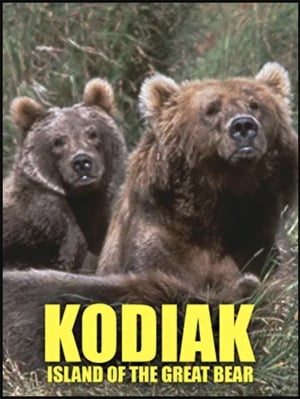
Kodiak Island in the Gulf of Alaska is home to the largest bear on earth, the Kodiak Bear. At least 2,500 bears live on the island and the animal is regarded as the world’s biggest land predator, reaching an impressive four meters in height when standing on its hind legs. Film maker Stefan Quinth spent three years filming the Kodiak Bear and the wildlife of Kodiak Island. His film is a dramatic story about bear and salmon, beavers and eagles. But it is also a film about the thrill of meeting the giant bear eye to eye in its natural habitat.
In the deep waters of Mexico's Gulf of California, large and ravenous predators are congregating and local fishermen fear them more than sharks.
Examines the devastating effect that overfishing has had on the world's fish populations and argues that drastic action must be taken to reverse these trends. Examines the imminent extinction of bluefin tuna, brought on by increasing western demand for sushi; the impact on marine life resulting in huge overpopulation of jellyfish; and the profound implications of a future world with no fish that would bring certain mass starvation.
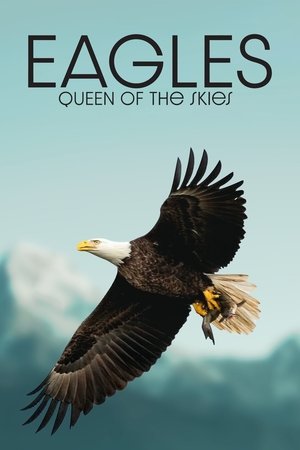
The eagle is widely regarded “the Queen of the skies”. But what makes the Eagle the Queen of the Sky? Well, a National Geographic documentary takes a look at the life of the eagle. The documentary follows the life of one individual eagle from hatching, to leaving the nest, and then setting up a home on her own. Look at the journey and the fight for survival, revealing what it really takes to become a queen of the sky for one eagle. In total, there are more than 60 members of the eagle clan. National Geographic explores their world, showing the majestic Harpy Eagle o the Amazon. The documentary features slow motion scenes, revealing the true skill of the eagle and how it catches prey from the water’s surface. In winter, on the other hand, when food is hard to find, some eagles hunt around ice floes. And that is where eagle battles occur.
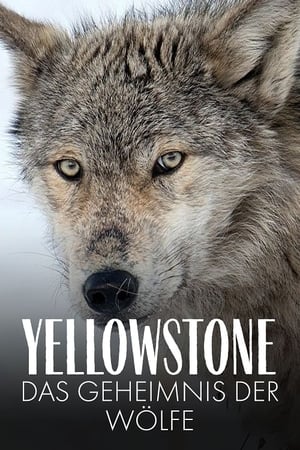
70 years after the last wolves roamed the national park, a total of 41 wolves were reintroduced between 1995 and 1997. A globally unique experiment that had many supporters, but also resolute opponents, then as now.
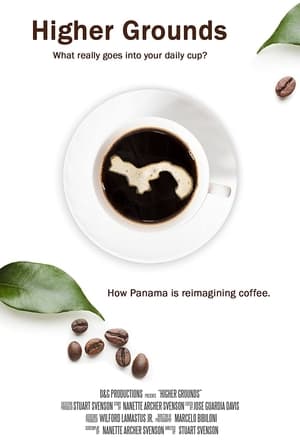
Panama is reimagining coffee, and driving new standards for both quality and economics. Explores variety, farming practice, and processing innovation—notions traditionally associated only with winemaking. Through collaborative competition, Panamanian growers are banding together to raise the bar for coffee worldwide. Featuring interviews with award-winning coffee producers in Panama and global coffee celebrities, as well as stunning footage of Panama’s breathtaking highlands, Higher Grounds concludes with a hard look at the sustainability of specialty coffee, the implications for developing-region producers, and how Panama offers a model for the rest of the world.
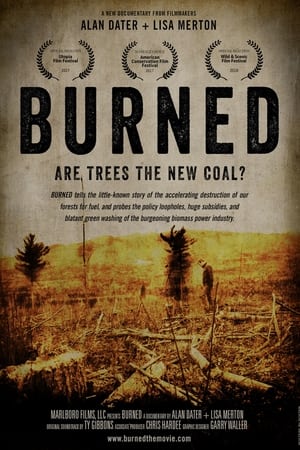
The little-known story of the accelerating destruction of our forests for fuel - the policy loopholes, huge subsidies, and blatant green washing of the burgeoning biomass electric power industry.
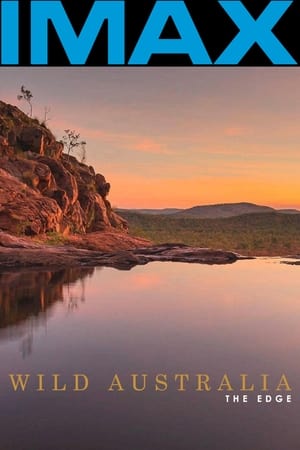
From beautiful but dangerous waterfalls to canyons and underground rivers carved into stone millions of years ago, Wild Australia is a stunning look at our fragile world and how it relates to Earth of ninety million years ago
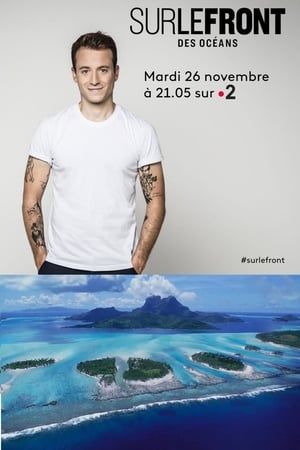
Sur le Front des Océans
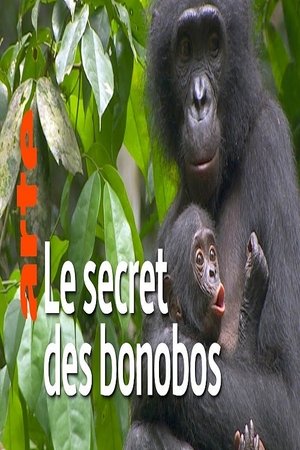
La vie cachée des bonobos
"Don't go in the Water." This line bred fear in millions of people around the world. In 1975, Jaws showcased the greatest eating machine, the great white shark, on the big scren and changed the swimming habits of movie-goers everywhere. By far the most feared creature in the sea, this species is responsible for more attacks on human beings that all other sharks combined. Step outside the Hollywood hype and travel to South Australia with an expedition as they attempt to increase understanding and reduce human/shark confrontations. Observe the behavior and lifestyle of the great white shark, and see these miracles of evolution up close in this unforgettable exploration under sea.
Imagine a beautiful day at sea, the magnificent waters allowing you to feel weightless and serene. And then you see it - the infamous single fin moving slowly in your direction. You panic...why? Man has always lived in fear of the shark because these predators represent for most, the epitome of evil and voraciousness. Ease your fears and join John Stoneman as he sets out to dispel many of the myths that surround the shark. But, don't get to comfortable. As John Stoneman will point out, there are certain species that must be feared.