A four-part history of the Inquisition, a 500-year campaign against heretics by the Roman Catholic Church initiated by Pope Gregory IX. The series benefits from the 1998 release of secret Vatican files.
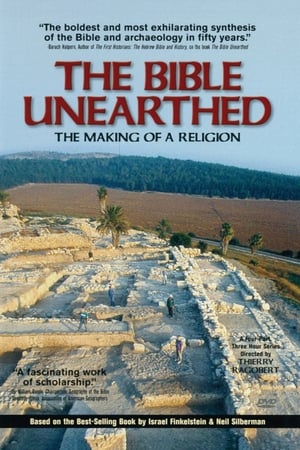
The Bible is both a religious and historical work, but how much is myth and how much is history?
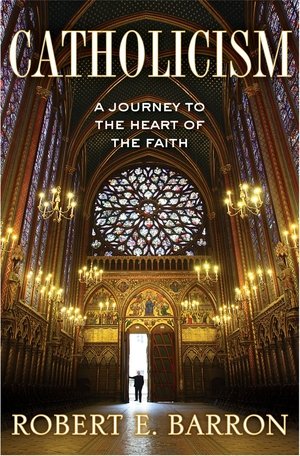
For the first time, in breathtaking and high-definition cinematography, the truth, goodness, and beauty of Catholicism are illustrated in a multimedia experience. Journey with Fr. Robert Barron to more than 50 locations throughout 16 countries. Be illuminated by the spiritual and artistic treasures of this global culture that claims more than one billion of the earth's people. Learn what Catholics believe and why. Discover the full meaning of the faith.
Bettany Hughes sets out on an epic journey across continents and back in time to trace the hidden and often controversial history of women in religion
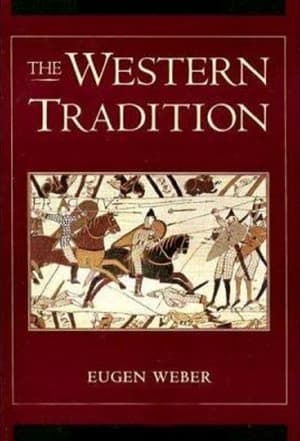
Covering the ancient world through the age of technology, this illustrated lecture by Eugen Weber presents a tapestry of political and social events woven with many strands — religion, industry, agriculture, demography, government, economics, and art. A visual feast of over 2,700 images from the Metropolitan Museum of Art portrays key events that shaped the development of Western thought, culture, and tradition.
Dr Francesca Stavrakopoulou examines how archaeological discoveries are changing the way people interpret stories from the Bible.
It is said to be one of the oldest books in the world. Has it been altered? If yes why? A remarkable journey back in time to see what the Old Testament and the New Testament is hiding from us.
Deadly Journeys of the Apostles explores beyond the Bible, building new biographies of the Apostles from 2,000 years of history strewn across the globe, including the latest discoveries, controversies and insights. Can the Bible’s puzzling, often baffling and contradictory stories of the Apostles, riddled with high stakes mysteries, magic and malevolence ultimately be understood through modern investigation? Deadly Journeys of the Apostles explores the ultimate hero’s journeys. New support from historical records, archeology, Apocrypha (historic stories and writing outside the Biblical Canon) and modern investigation expands on the traditional biblical accounts of the Apostles. This series explores fresh evidence of the Apostles’ incredible travels.
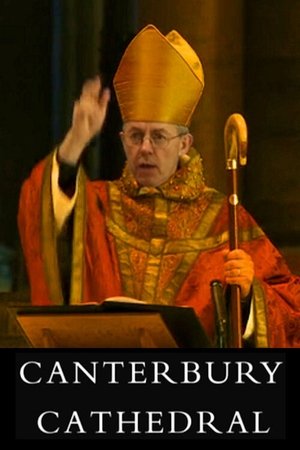
Documentary series covering a year in the life of Canterbury Cathedral.
Secrets to Civilisation is a groundbreaking History series which explores the recent explosion in data about our planet's past, offering a completely fresh perspective on the ancient world from the Bronze Age to the fall of Rome.
A series of programmes exploring great figures and events from biblical times. Historical, archaeological and anthropological evidence gives fresh insights into the historical realities of the times. Stylish drama re-enactments, CGI graphics, and expert opinions offer a comprehensive exploration into some of the Bible's most compelling people and stories. Was Mary Magdalene really a prostitute? Where was St Peter laid to rest? Did Joseph actually have a 'coat of many colours'? Did Herod really order the massacre of the innocents? This series answers these questions and more.
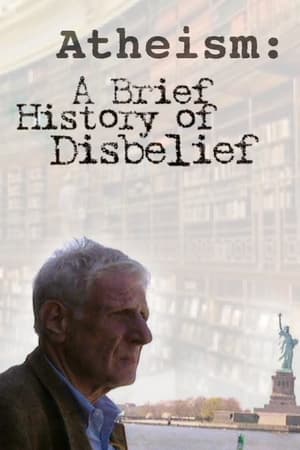
Atheism: A Rough History of Disbelief – known in the United States as A Brief History of Disbelief – is a 2004 television documentary series written and presented by Jonathan Miller for the BBC and tracing the history of atheism.
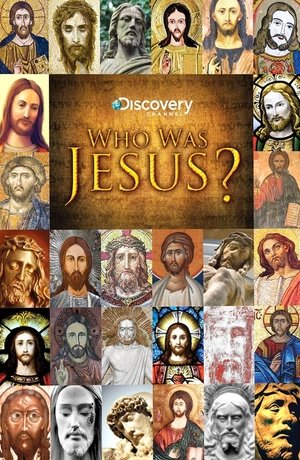
Who Was Jesus?
Bohové a proroci
A series of about twenty movies about religious matters. (Holy orders, lives of Saints, Marian Shrines etc.) They all last 52 minutes. By Armand Isnard.
På tro og Are
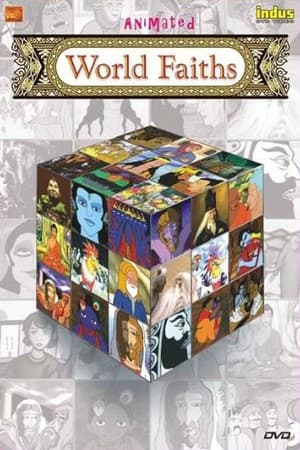
Explores how six major world religions have expressed the spiritual yearnings of the faithful in art and architecture through the ages.
Les mystères du Nil
In the early 1900s, Albert Einstein developed an idea - called Relativity - that changed our understanding of reality. It explained how both space and time were flexible - and how the Universe was made of a four-dimensional fabric called space-time. This single idea gave us a new way to understand the force of gravity, explained how the stars were born and introduced us to the concept of the big bang. And, in the hands of Stephen Hawking, it allowed us to understand the most extreme monsters in the Universe - black holes. This two-part BBC documentary explores how two of the most famous scientists of the 20th Century transformed our understanding of the Universe - thus changing the world.
Scientology is the only major religion to emerge in the 20th century. This series takes an unprecedented look behind the scenes into the many fascinating operations of the global Scientology movement. From its stunning 21st-century cathedral in Florida, state-of-the-art publishing houses, one-of-a-kind film and media facilities, see what happens on a typical day at a Church of Scientology, to a race against time to find the technology that will preserve Scientology’s scripture for thousands of years.