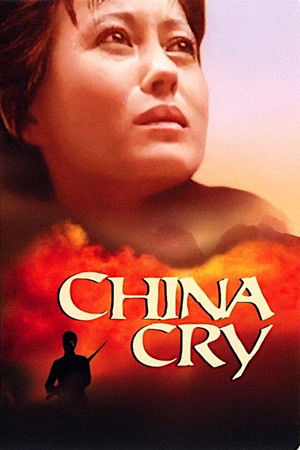
Young Sung Neng Yee, who is brought as part of a wealthy Chinese family. She is eager to become part of Mao Tze Tung's "new society", but soon becomes disenchanted by the economic misery the changes bring to her family. Before long, the authorities become aware of Neng Yee's feelings and she is taken to a labour camp, overseen by the sadistic Colonel Cheng.
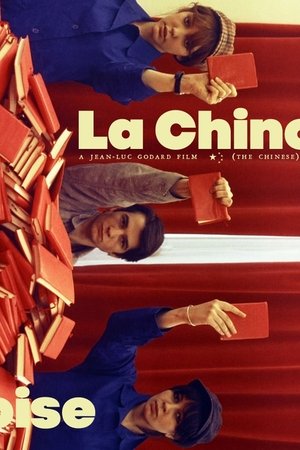
A small group of French students are studying Mao, trying to find out their position in the world and how to change the world to a Maoistic community using terrorism.
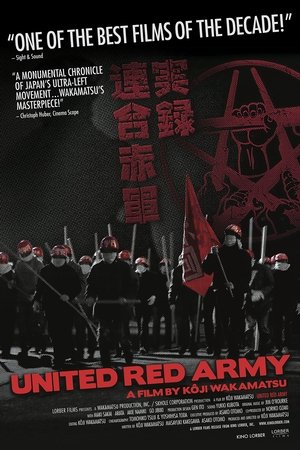
Two of the most radical student groups form the United Red Army (URA) and head into the mountains to conduct a training camp. Ideology devolves into despotism, and the URA's leaders begin to arbitrarily persecute their followers, a harrowing ordeal that culminates in violence and murder.
The romance between two lovers from opposing political backgrounds whose relationship sparks a massive political revolution and bridges divides within their village.
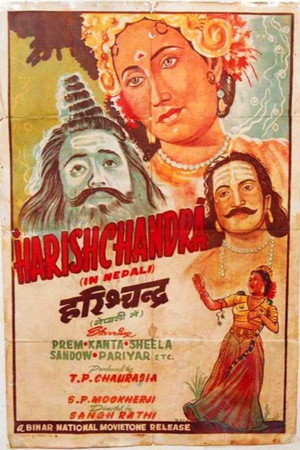
Harishchandra is a 1951 Indian Nepali-language film based on the story of the legendary King Harischandra from Hindu mythology. This is credited as the first Nepali language film however, many don't acknowledge as so, since all of the production and filming was in India.
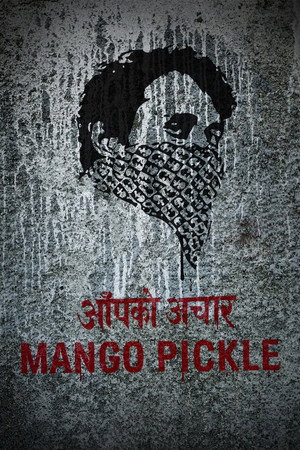
Set in the aftermath of Nepal's civil war, a shy middle class teen is manipulated by his friends to visit a brothel, unleashing a chain of events which will change him forever.
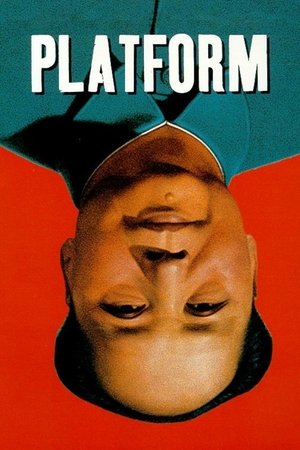
China’s rapid changes from the late 1970s to the early 1990s, as seen through the lives of four performers in a theater troupe.
The story of Shikkar takes place at Chittazha, a mountainous terrain where bamboo reeds flourish. After much wandering from place to place, Balraman (Mohanlal) a lorry driver has finally settled down with his daughter (Ananya) at Chittazha. Peace evades the man as his past catches up with him, and Balaraman has to risk everything to safeguard his own life and that of his daughter's.
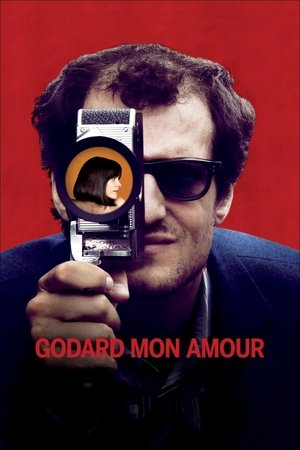
In 1967, during the making of “La Chinoise,” film director Jean-Luc Godard falls in love with 19-year-old actress Anne Wiazemsky and marries her.
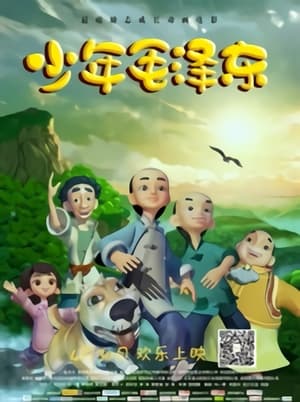
Young Mao Zedong and his friends' desire freedom and exploration.
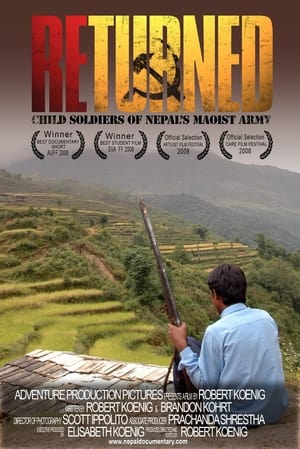
Imagine being forced to leave your family and fight in war you don't understand - and you are only eleven years old. Sadly, for many of these child soldiers in Nepal this is a reality and the peace process has not solved their problems. These children quickly discovered that the return home is even more painful than the experience of war. Returned weaves the voices of Nepal's child soldiers, organizations working to help them, and military leader's from Nepal's opposing forces, who answer challenging questions about their use of childen as warriors.
Denmark in the '70s. The teenager Christoffer's parents Nisse and Maria have decided to move into a commune, because they want to try the alternative lifestyle. But Christoffer doesn't like it, and has trouble adapting. In school, the others tease him because he lives in a commune. As a plan from the elders in the commune, he starts in a Maoist group to learn about the real ways of the society. He doesn't like it, but when his new girlfriend starts to see what he does as cool he goes into it. But at the same time, the police start to suspect him to be the terrorist who blows up telephone booths around Copenhagen.
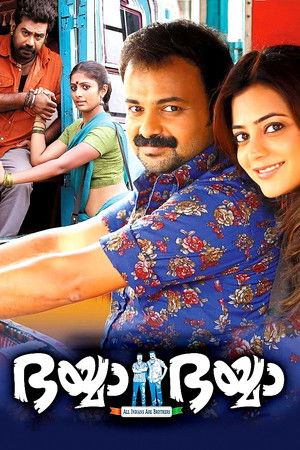
Bhaiyya Bhaiyya (Theatrical name: Bhayya Bhayya) is a 2014 Malayalam-language comedy film directed by Johny Antony and scripted by Benny P. Nayarambalam starring Kunchacko Boban and Biju Menon in lead roles. The film also features Nisha Agarwal, Vinutha Lal, Innocent, Suraj Venjarammood, Salim Kumar and Vijayaraghavan in other important roles. It features music by Vidyasagar and cinematography by Vinod Illampally and was largely shot at Kottayam, Tamil Nadu and Kolkata. Produced by Laisamma Pottoore under Nobel Andre Production, Bhaiyya Bhaiyya released on September 5, 2014.
Mao Zedong was not only a revolutionary leader and thinker, he was also a poet. In poems written in the classic calligraphic tradition he expresses his experiences and visions. In this film, 8 of Mao's poems are sung, recited and interpreted: 'Changsha' (1925), 'Jinggang Mountains' (1928), 'The Long March' (1935), 'Snow' (1936), 'The People's Liberation Army Captures Nanjing' (1949), 'Swimming' (1956), 'Reply to Comrade Guo Moruo' (1961) and 'Reascending Jinggang Mountains' (1965). Through these poems we get a picture of the Chinese revolution from its first beginning in 1921 until the Cultural Revolution. The poems of Mao Zedong have been published in more than 57 million copies
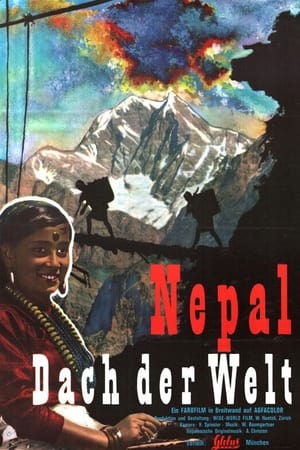
Documentary about Nepal and its path into the 20th century.
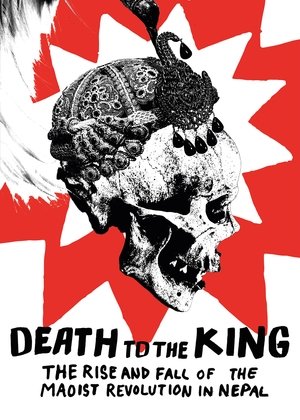
Documentary about the 2006 Maoist revolution in Nepal.
In 2013, three women emerged from a flat in Brixton. They had been held there for decades by Aravindan Balakrishnan, a revolutionary Maoist who controlled the women with brainwashing techniques and tales of a sinister, world-controlling machine he called 'Jackie'.
An anthology of three stories which portray various shades and motives of violence through different characters that are dissimilar in nature.
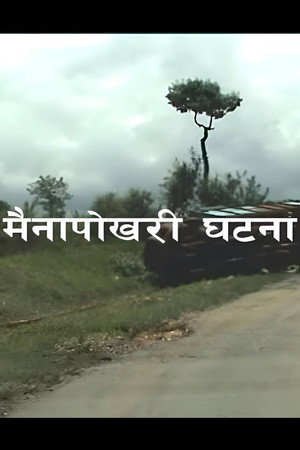
A 24-minute song by Nepathya about the tragic 2004 Maina Pokhari incident as a call for peace during the Nepalese civil war. On a mountainous highway, a public bus was caught in the crossfire of army troupes and Maoist guerillas. Within an hour, eight innocent Nepali lost their lives. When the press flashed an image of a surviving grandmother holding a 20-day-old grandchild, more emotions broke loose. Nepathya's lead singer Amrit Gurung, disheartened, traveled to the incident site and captured the heavy air and grim ambience of such a disgraceful act. Talking with villagers, survivors and helpless eyewitnesses, instead of chords, Amrit remained surrounded by silence. Out of this painful contemplation of the Maina Pokhari incident has come 'Ghatana', in a blend of the narrative folk art of the wandering Gandharvas - the Nepali troubadours, fused to Rock Ballad. It is a portrait and a condemning of such a disgraceful incident that has hardly stopped to cease in Nepal and elsewhere.
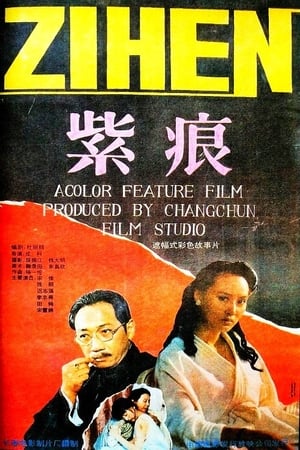
Zi Hen, who is being raised in a strict orphanage, is suddenly adopted by the beautiful and wealthy Luo Ban-di, who murdered her own husband.