American horses are icons. Mustang. Appaloosa. Morgan. Quarter Horse. Each breed has a unique story to tell, and each story is a deep part of the American experience. Grounded in historical moments and charismatic people, American Horses traces the emergence of these remarkable horses and introduces contemporary trainers who are continuing in the long tradition of caring for them.
Love them or hate them, there are 33,000 urban foxes roaming Britain's suburbia. For the residents of the Copse in Sutton-in-Ashfield, Nottinghamshire - as for so many other suburbanites - the urban fox provides evenings of enchantment. A cul-de-sac of neighbours compete to offer the tastiest snacks for their bushy-tailed visitors, with one couple even setting up their own CCTV system to provide happy evenings of Fox TV.
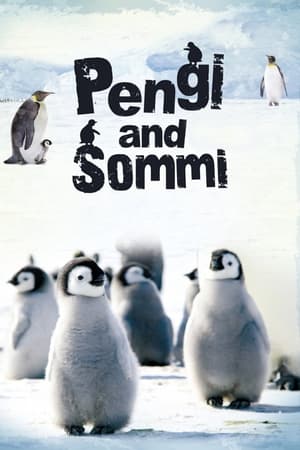
Baby Emperor Penguin Pengi and Sommi's Ultimate Challenge Begins! At 60 degrees below zero, winter has come to the South Pole, the coldest glacial region in the world. Abandoned due to its bitter coldness, the South Pole is greeted by the real natives of this place, the Emperor Penguins, who have come to welcome new lives. Through the indescribable love and care given by mom and dad, baby Emperor Penguins Pengi and Sommi awake from their egg shells. Gluttonous Pengi, the number one trouble maker in the South Pole, and cutie Sommi, who loves daddy's embrace the best, become great friends. Then one day, Sommi’s dad goes out to the sea to seek her out. Sommi left all alone, cold and starving to the brink of death, and Pengi desperately tires to help Sommi through her troubles. Could Pengi and Sommi possibly overcome numerous hardships and become beautiful full-grown Emperor Penguins?
This films reveals the extraordinary variety of life found in the vast blue expanses of the open ocean. Here, all the action takes place in a 10 metre deep band of water, just under the surface. Many species use this section of water to migrate and hunt while others use ingenious ways to stay hidden where there appears to be no shelter.
By the late 1800s the free-ranging buffalo of the western plains of North America were almost extinct. This documentary is the story of the buffalo's revival. Live action, eye-witness accounts and archival photos document our fascination with this ancient and legendary animal.
For thousands of years, the Great Plains were home to countless numbers of American bison, but in the late 1800s, the number of bison dropped from nearly 30 million to just a few hundred in less than 100 years. What happened to place this national icon on the brink of extinction? Join us as we detail the events that led to this mass extermination. Then follow the story of William Temple Hornaday, a chief taxidermist at the Smithsonian Institution who headed west to hunt bison for the museum, but ended up saving the species instead.
This large format film explores the last great wilderness on earth. It takes you to the coldest, driest, windiest continent, Antarctica. The film explores the life in Antarctica, both for the animals that live their and the scientist that work there.
Directed by award winning filmmaker Ben Masters, Deep in the Heart is a visually stunning celebration of Texas’ diverse landscapes and remarkable wildlife found nowhere else. Told through the eyes of wildlife species ranging from the mysterious blind catfish to the elusive mountain lion, the film follows our ever-changing relationship with the natural world and how we affect it. Narrated by beloved Texan, Matthew McConaughey, the film aims to safeguard our remaining wild places and to recognize the importance of Texas’ conservation on a continental scale.
Ocean Oasis is a fascinating journey into the bountiful seas and pristine deserts of two remarkably different, but inextricably linked worlds — Mexico's Sea of Cortés and the Baja California desert.
La Révolution de la Terre
In 1940 twenty Canadian Beavers were brought to 'Tierra del Fuego' island in southern Patagonia for commercial fur production. However, beavers having no natural predators, quickly spread throughout the island, causing massive destruction of trees threatening the entire Patagonian forests rivers and species. Why wildlife conservationist are convinced that 150.000 beavers must be killed? Why some of the most recognized specialist are convinced that an eradication is not possible? Meanwhile truism is capitalizing on the situation: a man dressed as a beaver passes out flyers promoting a famous sky resort: 'Cerro Castor' - Beaver Hill. Hunters claim for subsidies, scientists are researching, rangers do what they can and restaurants tray to offer beaver meat to tourist.
Filmed over 23 years, Rise of the Warrior Apes tells the epic story of an extraordinary troop of chimpanzees in Ngogo, Uganda – featuring four mighty warriors who rule through moral ambiguity, questionable politics, strategic alliances and destroyed trust.
Born to Be Wild observes various orphaned jungle animals and their day-to-day behavioural interactions with the individuals who rescue them and raise them to adulthood. The film unfurls in two separate geographic spheres. Half of it takes place in the rain forests of Borneo, where celebrated primatologist Dr. Birute Galdikas assists baby orangutans; the other half takes place on the arid savannahs of Kenya, where zoologist Dame Daphne Sheldrick works with baby elephant calves.
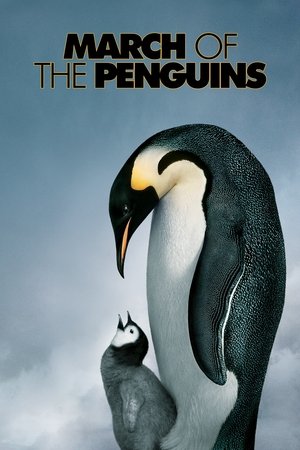
The real place where the penguin congress takes place is also the most fictional place on this planet where you can stand on your own two legs. Here, even the animals can talk. This land of dreams and nightmares is called Antarctica. In this desert of ice surrounded by a stormy sea, a few dozen human beings also live. Using sophisticated instruments, they observe the worrying changes affecting our world: the hole in the ozone layer, climate change, and so on.
In the remote and forgotten wilderness of Lake Natron, in northern Tanzania, one of nature's last great mysteries unfolds: the birth, life and death of a million crimson-winged flamingos.
On the northern bank of the Sand River in the Mala-Mala Game Reserve in South Africa, seven magnificent creatures reside in an area the size of Manhattan Island. Tracking them for 24 hours reveals a never-ending daily drama.
In the frigid valleys of Japan's Shiga Highlands, a troop of snow monkeys make their way and raise their families in a complex society of rank and privilege where each knows their place. Their leader is still new to the job and something of a solitary grouch. But one little monkey, innocently unaware of his own lowly social rank, reaches out to this lonely leader, forming a bond with him that manages over time to warm his less than sunny disposition. It is a rare and remarkable gesture that alters both their lives. Changing seasons bring new babies to care for, a profusion of insects and blossoms to eat, family disagreements to squabble over and tragedies to overcome. Mating season brings competition for females, as the days grow shorter and colder in a rush toward winter. But with their now confident leader to guide them and their families to shelter and care for them, this troop of snow monkeys is ready to face the world.
The Siberian discovery of the best-preserved woolly mammoth on record has teams of experts working around the globe, and around the clock, on some of the most ambitious projects in science. In Russia, paleontologists are conducting a historic autopsy on the 40,000-year-old beast to find out how it lived, and how it died. Meanwhile labs in South Korea and at Harvard University are using the latest advances in DNA manipulation in hopes of cloning the furry giant and introducing it to the modern world.
Antarctica is the most extreme continent on our planet—higher, colder, and even drier than any other on Earth, and although it is thousands of miles away, what happens here affects every single one of us.
For six weeks we explored the Antarctic Peninsula by sea kayak, sailboat, foot and small plane, observing the fast changing evolution of this most remote place. Impacted by climate change - temperatures have warmed along the Peninsula faster than anywhere on the planet during the past 50 years - this part of Antarctica is also experiencing a boom in tourism and nations fighting over who owns what as its ice slowly disappears. This National Geographic-sponsored exploration is a one-of-a-kind look at Antarctica from a unique perspective - sea level.