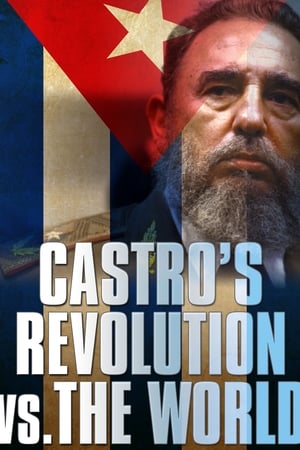
Cuba na Castro
Dvojí život jedné strany
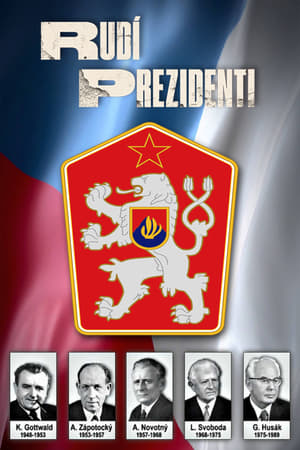
Communism spread to all of the continents of the word, lasting through four generations and over seven decades. Hundreds of millions of men and women were affected by this political system, one of the most unjust and bloodiest in history. Using newly discovered propaganda films and archival photos, these four episodes explore the mysteries of this totalitarian political machine that lured its share of important followers into the fold. Known as the red church, communism seduced its ardent followers like some earthly religion.
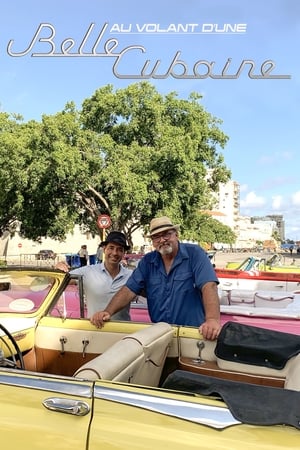
Car enthusiast José Gaudet travels the Cuban streets and roads looking for the car of his dreams. He is accompanied by Gildor Roy, who is fluent in Spanish.
Three years in the making, this comprehensive study of the Soviet dictator blends documentary footage and interviews with experts and surviving witnesses.
Abeceda komunistických zločinů
The story of an empire: From its founding in 1922 to its dissolution in 1991, the Soviet Union was shaped by revolutionary idealism, but also by oppression and decay. The USSR evolved from Stalinist terror through the Thaw under Khrushchev to political processes such as glasnost and perestroika under Gorbachev. Finally, in 1991, it collapsed.
What it felt like to live through the collapse of communism and democracy. A series of films by Adam Curtis.
Jamaican-born Stuart Hall looks at the history of the Caribbean islands through interviews with modern inhabitants.
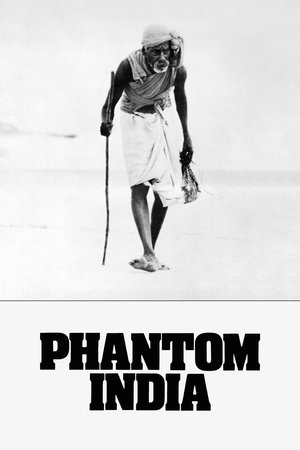
Louis Malle called his gorgeous and groundbreaking Phantom India the most personal film of his career. And this extraordinary journey to India, originally shown as a miniseries on European television, is infused with his sense of discovery, as well as occasional outrage, intrigue, and joy.
Adventurer and journalist Simon Reeve heads to Cuba to find a communist country in the middle of a capitalist revolution. Two years ago Cuba announced the most sweeping and radical economic reforms the country has seen in decades.
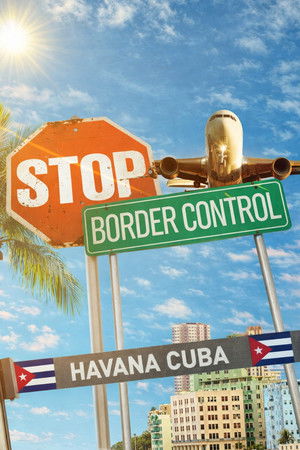
For the first time, an international film crew captures the round-the-clock action at Havana’s José Martí International Airport. Cuba’s elite security forces battle drug traffickers, arms smugglers, money launderers, and forgers to protect the nation’s borders. With over 100 agents on constant alert, more than 9 million travelers pass each year through this key hub, just 20 kilometers from Havana’s center. Working alongside the UN Aircop Group, specialized migration teams combat illegal migration routes used by criminals worldwide. Every hour brings new challenges—from smuggling weapons, cash, and undeclared goods to complex narcotics operations. Trained in passenger profiling and detection, the narcotics division plays a critical role. Organized crime knows no borders, but here, security forces stand ready to stop it.
Red Chapters
The Lost World of Communism is a three-part British documentary series which examines the legacy of Communism twenty years on from the fall of the Berlin Wall. Produced by Peter Molloy and Lucy Hetherington, the series takes a retrospective look at life behind the Iron Curtain between 1945 and 1989, focusing on three countries in the Eastern Bloc - East Germany, Czechoslovakia and Romania. Through film and television footage and the personal recollections of those who lived in these countries, the series offers a glimpse of what daily life was like during the years of Communist rule. The Lost World of Communism debuted on BBC Two on Saturday 14 March 2009 at 9:00pm. There is also a book which accompanies the series.
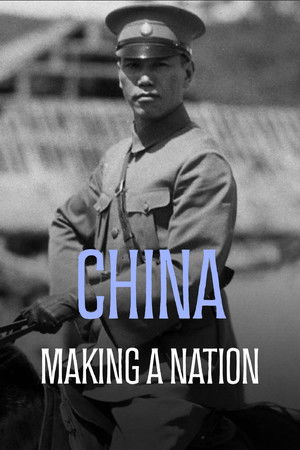
China: The Making of a Nation is the story of the painful transformation of the vast Qing Empire into the Chinese nation after the 1911 revolution. Spanning more than a century up to the Xi Jinping era, the story pits the two pivotal leaders of this transformation against each other: Chiang Kai-shek, leader of the Republic of China for 47 years, and Mao Zedong, who rose from ‘red bandit’ to master of the mainland in 1949. Sworn enemies, they fought a merciless battle: first military, then diplomatic, and finally, beyond their deaths, in the conflicting memories of the Taiwanese and the Chinese of the People's Republic. Beyond their fierce hatred, the two tyrants also had much in common: a certain vision of Chinese territory and the greatness of China, the desire to regain the country's sovereignty and the quest for a Chinese identity in a nation that also includes Tibetans, Uighurs, Mongols... and a certain ability to rewrite history.
This 9-episodes documentary series extensively examines the history of Poland in the 20th Century, telling the story through archival films, newsreels, interviews, and readings from novels and poems.
China's history of the last 200 years seems like a boomerang, returning to the West what it once unleashed. The series reveals how devastating the struggles for identity and power have been for the population since the fall of the "Middle Kingdom," and how closely these tragedies are intertwined with our own. Great hopes were placed in a wide variety of visions for the future—and each time, bitter disappointment ensued. From the decline of the empire to its resurgence as a superpower, China's history is both a dream and a nightmare, in which human life is of little value.
Having road-tested retirement in India, Miriam Margoyles, Wayne Sleep, Bobby George and Rosemary Shrager are reunited to discover what it is like to grow old in other countries around the world.
An account of the Eastern Front, epic in scale and savagery, as Soviets experienced it and Stalin commanded it.
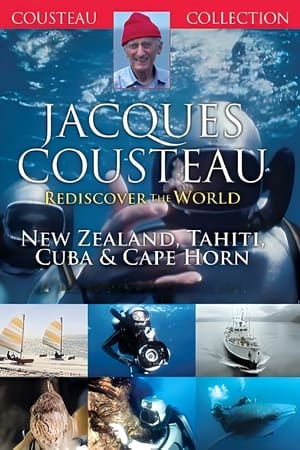
Oceanographer Jacques-Yves Cousteau and the Calypso set sail to research far-off cultures and species of aquatic fauna and flora in another of the explorer's nature series, mainly in the Pacific Ocean and in the West Indies.