Prestonburg, KY is a small blue-collar town with hunting, fishing, coal mining, and two of the biggest names in online horror talk radio: Wes Vance and Aaron Frye (aka "The Creepy Kentuckian" and "Uncle Bill") The two self-proclaimed "redneck geeks" bonded at a young age while their weekends devouring horror films. They now use their extensive horror knowledge to record a weekly podcast on DEADPIT.com and have found a worldwide audience through their candid conversation, quick wit, and lots of swearing. What started as an outlet to express their love for horror films has evolved into an online industry with millions of followers and the ability to talk to their childhood heroes. But what happens when your childhood pursuits start to collide with your adult aspirations? Can Deadpit survive it's own success?
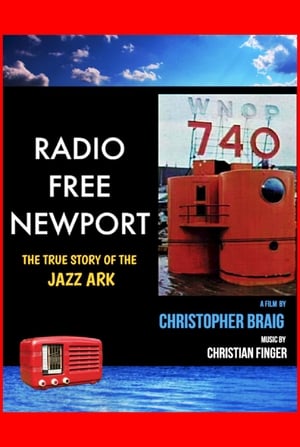
Imagine an AM Radio Station with a dawn to dusk license that played nothing but jazz and comedy records. Did I mention it FLOATED in the Ohio River and changed the culture of a Community? The history of Cincinnati Jazz is long, wide, diverse and in the case of WNOP sometimes beyond belief. Saxophonist turned filmmaker Christopher Braig's second Film will focus on the people, music, and cities that kept "The Jazz Ark" sailing for 42 years from 1968 to 2000.
This film documents the coal miners' strike against the Brookside Mine of the Eastover Mining Company in Harlan County, Kentucky in June, 1973. Eastover's refusal to sign a contract (when the miners joined with the United Mine Workers of America) led to the strike, which lasted more than a year and included violent battles between gun-toting company thugs/scabs and the picketing miners and their supportive women-folk. Director Barbara Kopple puts the strike into perspective by giving us some background on the historical plight of the miners and some history of the UMWA. Preserved by the Academy Film Archive in partnership with New York Women in Film & Television in 2004.
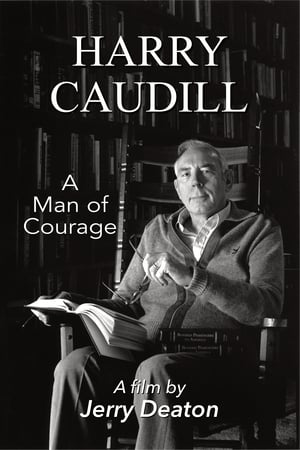
One of the most important Kentuckians of the 20th century, Harry Caudill brought the story of Appalachia to national attention when his book “Night Comes to the Cumberlands” was released in 1963. The nonfiction account of Eastern Kentucky’s coal region, part history and part polemic, eloquently recounted the exploitation of Appalachia’s land and its people by business and government interests, and made Caudill a national spokesperson for his homeland. Harry Caudill spent his life advocating for Eastern Kentucky, with the aim of helping the powerless as well as securing the region’s unmatched natural resources for future generations. His work led to lasting government reforms for Appalachia, and his legacy remains a touchstone for activists today.
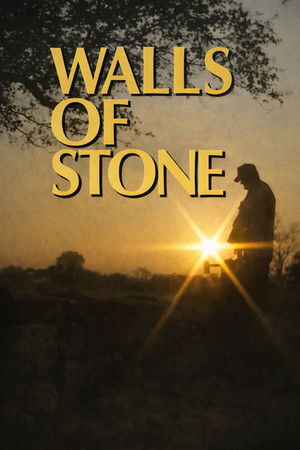
This project by the National Center for Preservation Technology and Training (NCPTT) produced a video for training technicians in correct methods for preserving stone walls and rock fences. The video is a primary training resource, providing graphic instruction on how to repair, rebuild and relocate stone walls and rock fences. In addition to providing training to practitioners, the video explains fence and wall construction to archeologists, engineers, preservationists and conservators.
Delving into the existence of Bigfoot, also known as Sasquatch, considered one of the most mysterious creatures on Earth.
A filmmaker journeys back to the significant places of his Kentucky upbringing to preserve the memories they still hold.
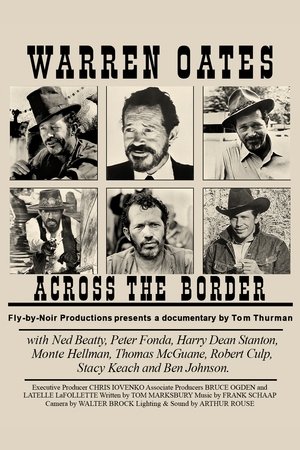
A retrospective of the work of the late actor Warren Oates, with clips from his films and interviews with cast and crew members who worked with him.
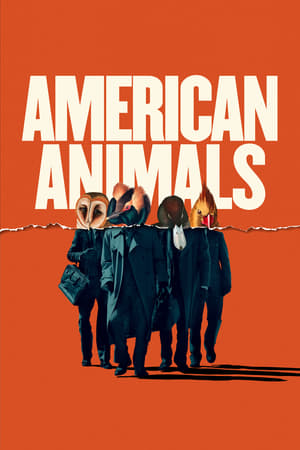
Lexington, Kentucky, 2004. Four young men attempt to execute one of the most audacious art heists in the history of the United States.
Billy Hicks has been coaching basketball for over 40 years. He is the winningest high school basketball coach in the state of Kentucky. This documentary will dive into his "basketball philosophy" and his successful time at Scott County.
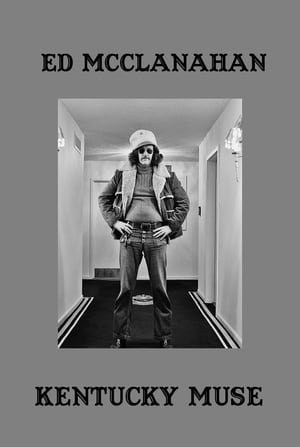
Unable or unwilling to conform to the rigid atmosphere of Washington and Lee College as a freshman, Ed bailed out after a brief stint there to attend—and graduate from—Miami of Ohio. After graduate work at UK, he left for the Left Coast, and it suited him just fine. The first stop was a writing instructorship at Oregon State, then enrollment into the Stanford Writing Program, a move shared by Jim, Wendell, and Gurney. There he cultivated, among other things, relationships with Larry McMurtry, Robert Stone, and—most importantly—Ken Kesey. Ed didn’t just experience the 1960s; he wallowed in them. Also, a bonus interview from 1996 program, Signature Live.
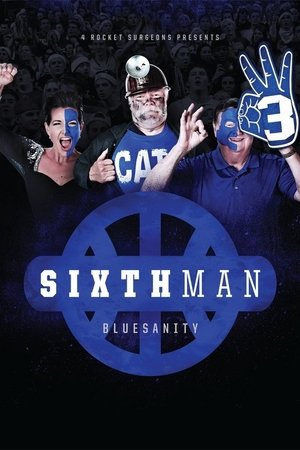
What do Josh Hutcherson, Steve Zahn, Josh Hopkins, Eddie Montgomery, Laura Bell Bundy and The Back Street Boys all have in common? Aside from making great movies and music, they all bow at the altar of Kentucky Basketball as members of Big Blue Nation!
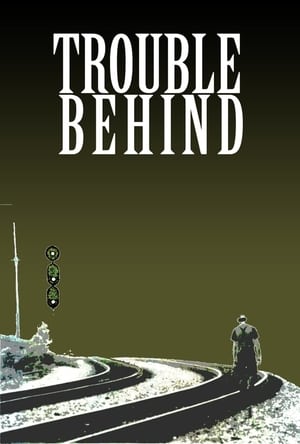
During World War I, African-Americans worked on the railroad near Corbin, Kentucky. When whites returned from the war, there was conflict. Whites sought their former jobs and positions in the community. In 1919, a race riot occurred. Whites put the African-Americans on railroad cars and ran them out of town. In Trouble Behind, members of the Corbin community speak out on the issue. The filmmakers also interview former members of the Corbin, which at the time of filming had only one black family. Some Corbin residents express confusion as to why African-Americans don't move back. Others openly use racial epithets. Some young adults seem troubled by the racism, past and present. Others don't.
In this contemplative coming of age portrait, Yosef, a spirited athlete, is becoming more aware of his family history, after being displaced from their Iraqi homeland.
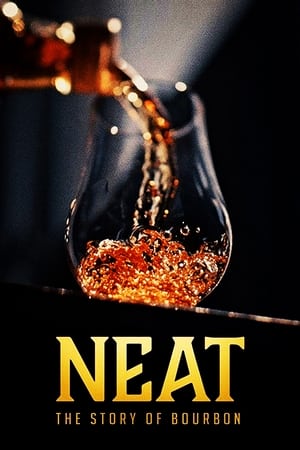
Neat is a documentary that dives into the rich and storied world of bourbon. Exploring its colorful history, charismatic characters, and uniquely American process, the film is a celebration of the time, artistry, and relationships that make for America's only native spirit.
The fabled past of this iconic college basketball powerhouse is examined and reflected upon by some of the program's most notable figures, including Pat Riley, Jamal Mashburn, Michael Kidd-Gilchrist, Joe B. Hall, and John Calipari.
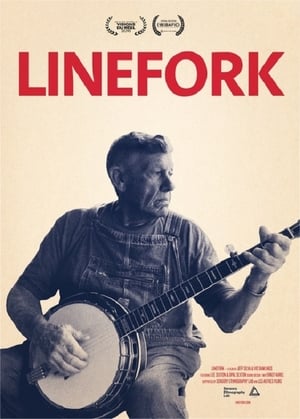
Lee and Opal Sexton live in the mountains of Eastern Kentucky, farming the land where Lee was raised. Lee is a retired coal miner and revered banjo legend, a living link to the deep past of American music. Though now well into his eighties and hampered by age, Lee continues to perform and teach his distinctive 2-finger banjo style to a new generation eager to preserve a vanishing cultural tradition. Linefork offers an immersive view of Lee and Opal's daily rituals and inherent resilience while documenting the raw yet delicate music of a singular musician, linked to the past yet immediately present.
In July of 2019 the Blackjewel coal company announced it was declaring bankruptcy. Miners were told to stop working mid shift, and their last paychecks bounced. The miners retaliated by blocking a train full of coal, camping out on the coal tracks for weeks. Queer regional organizers made their way to the encampment to support the miners. The encampment became a place for community gathering and mutual aid distribution. Sarah Moyer, a film maker living in Kentucky, also made their way to the encampment and filmed this short documentary on the blockade. (Summary from Queer Appalachia)
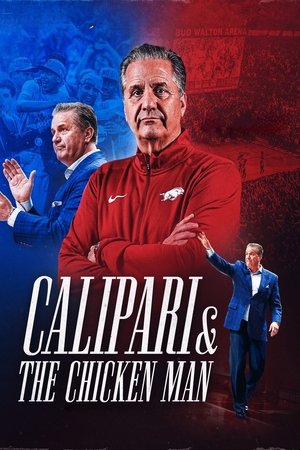
"Calipari & The Chicken Man" is an original documentary that tells the story of a billionaire college booster and a hall of fame coach, who's friendship led to one of the most shocking moves in the history of college athletics.
Cryptozoologists journey into the forests of Kentucky to gather evidence of a canine/human hybrid.