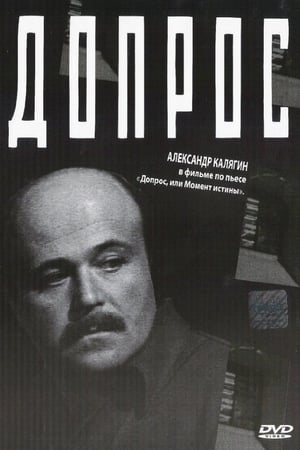
The investigator Seyfi Ganiyev runs the case of an illegal mercery shop's head Murad Abiyev, who confessed in embezzlement of one million rubles from public funds. Abiyev is also accused of the murder of an underage girls that occurred in Riga shortly after Abiyev saw her. He denies his guilt, but does not name the perpetrators though he knows them, despite the fact that he is facing the death penalty. The investigator understands that some high-ranking officials stand behind Abiyev, but he has no proof. Ganiyev seeks to obtain from the prisoner the whole truth to bring the criminals to justice.
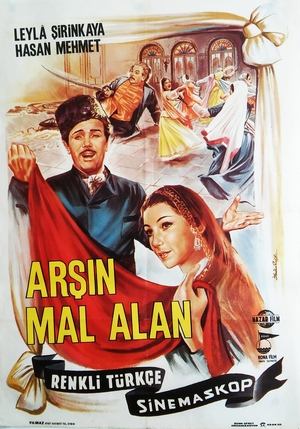
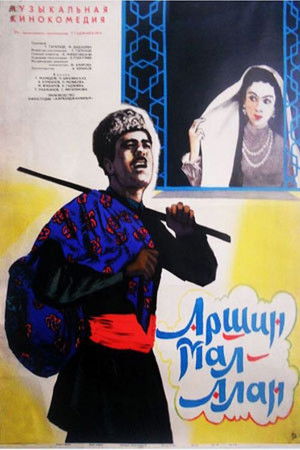
Set in Baku at the turn of the 20th century, a young successful businessman Asgar wishes to marry. He wants his bride to be the choice of his heart, however, Azerbaijani tradition restricted him from communicating with the lady as a lover before marriage. So Asgar decides to disguise himself as a mere cloth peddler and the young woman Gulchohra falls in love with him.
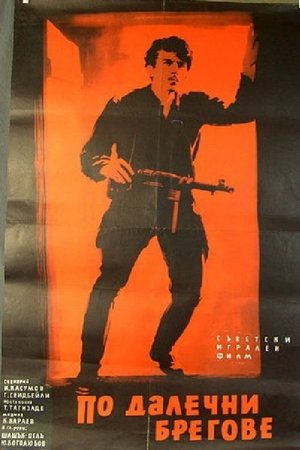
The film portrays the life of the legendary Azerbaijani guerrilla of the Second World War Mehdi Huseynzadeh, who fought the Nazi forces in the present-day Italy and Slovenia, hence the film's name On distant shores referring to the Adriatic Sea.
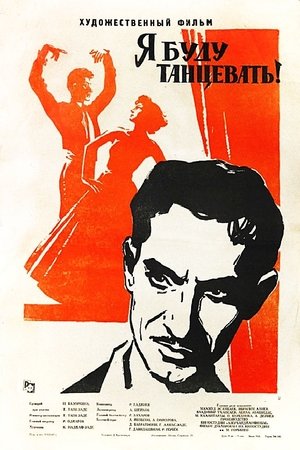
The film is about famous Chechen ballet and folk dancer Mahmud Essembayev's life.
Popularly known by the name of the main character, "Mashadi Ibad" was based on a musical comedy by composer Uzeyir Hajibeyov and written in the early 1900s. The story is based on the age old-theme of a beautiful young woman Gulnaz who falls in love with a young man Sarvar but is obliged to marry someone else.
This Azerbaijani romantic drama depicts the love affair between Zaur, a man from an affluent family, and Tahmina, a divorced woman doing her best to survive in a conservative society.
Psychological drama about a university dean who leads a double life.
Film exposes the corruption and the decadence of the late Soviet bureaucracy in Azerbaijan SSR through the eyes of a naive Azerbaijani adult man, Hatem.
The film is about Azerbaijanian and Uzbekistan's cotton-growers contest and about two young people's love.
War breaks out in the Caucasus. 75-year-old Maria loses her son in the war. She and her daughter-in-law Sofia have been living in the Caucasus for 12 years. When famine strikes, they want to move to Russia. The women decide that they must go to Moscow. Maria takes her little dog and Sofia her small suitcase, gets on the train and sets off. In the next compartment, photojournalist Alexander is also traveling. Sofia and Alexander love each other. Maria realizes at one of the stations near Volgograd that she cannot live without the Caucasus. She writes a letter to Sofia and leaves the train with her dog...
Inspired by Anton Chekhov's The Cherry Orchard, the film follows a prodigal son who returns after 12 years. His reappearance at the family home in rural Azerbaijan significantly alters their way of life.
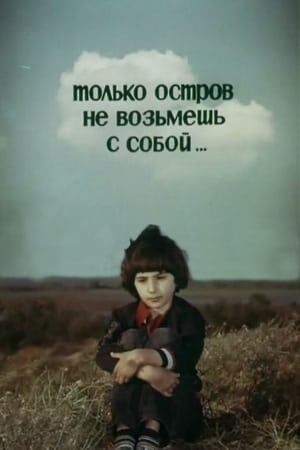
A young girl is trying to save an island which is endangered by nearby construction.
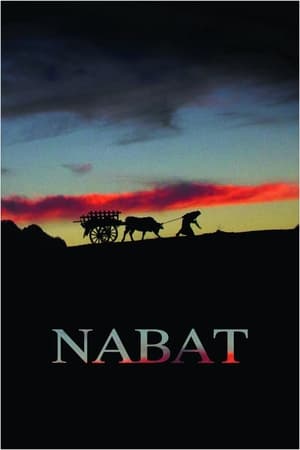
The story is set during an upsurge in the Nagorno-Karabakh conflict and revolves around an old, sick ex-forestry worker and his wife Nabat, whose son has died in battle.
The film is about events which has happened with the "Potyomkin" ship.
The film is about parents who wanted to build the house and gather together with their children in the house.
The film is about relations between two generations and about idols of the youth.
After the novel of the same name of M. Avdiyev and A. Donets. The film is about first operations of National State Security.
The film is about commissary Chingiz Ildirim.
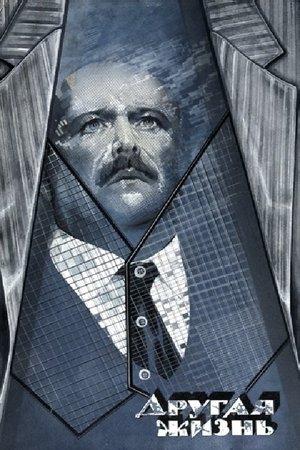
The film chronicles the ordeals faced by Azerbaijan’s intellectuals - from the Red Terror to the present day - depicting how, amid shifting social and political upheavals, they endure physical and moral persecution. It also explores human betrayal and the ways people adapt their identities to survive changing circumstances.