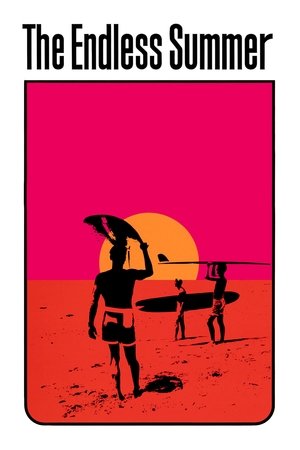
Documentary filmmaker Bruce Brown, himself a competition-level surfer, follows surfers Michael Hynson and Robert August on an around-the-world surfing adventure. With Brown's wry, sardonic narration and a twangy, guitar-driven instrumental soundtrack by The Sandals playing over the silent footage, Mike and Rob leave their California home to visit Hawaii, Australia, South Africa and other secluded surfing spots in a search for the surfer's holy grail that Brown dubs "The Perfect Wave.”
In common with many L.A. Rebellion films, Snake touches on such themes as institutionalized racism, colonialism and the plight of women of color. Narrated in the first person by the filmmaker as an epistle to her son, The Snake in My Bed tells Diegu's story as a Nigerian woman in Lagos who is romantically pursed by a German national who has “gone native.” Despite his secretive and duplicitous actions, she eventually agrees to marry him and has his child, only to learn that he is a bigamist with a German wife and child.
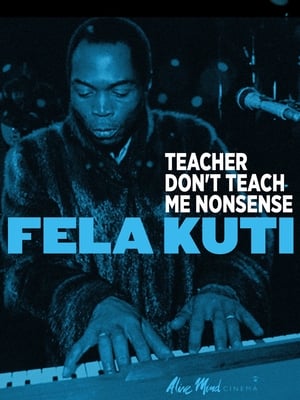
A huge influence on world music, Nigerian artist Fela Kuti played many instruments, pioneered afrobeat music and served as a prominent activist for human rights in Africa. This 1984 documentary examines the life and music of the remarkable man. Using his music to raise awareness, Kuti embraced social justice themes. He died in 1997 of complications from AIDS. Footage from his legendary show in Glastonbury, England, is included.
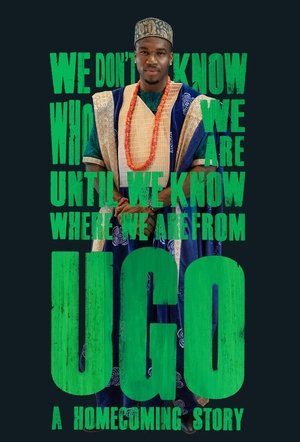
Greek-Nigerian NBA superstar Giannis Antetokounmpo returns to Nigeria for the first time.
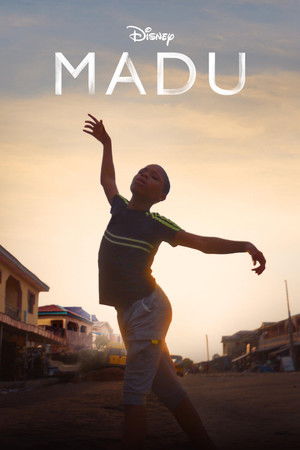
From practicing barefoot on the streets of Lagos to performing on stage in England, twelve year old Anthony Madu leaves his home in Nigeria to study at one of the most prestigious ballet schools in the world. Anthony, who had barely left his neighborhood in Lagos, finds himself thrust into a new world where his wildest dream is suddenly within reach. His journey is a story of extraordinary obstacles, courage, growth, and ultimately, his search for belonging.
Weave your way through the bustling streets and idyllic beaches of Lagos. Lagos at Large is an immersive 360-degree documentary told from the perspective of poet Njideka. Featuring her bracingly affectionate words and buoyed by its vibrant, percussive score, the work takes in a range of spaces – from markets and monuments to seasides and more – and emerges as a poignant love letter to the titular city.
A 1978 documentary about healthcare services in five locations in Nigeria.
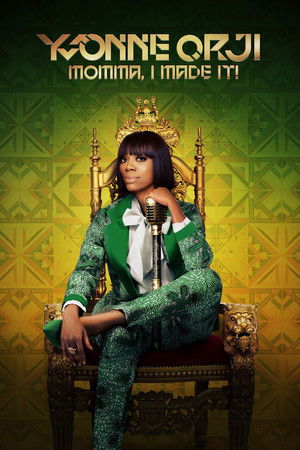
'Insecure' star Yvonne Orji celebrates her Nigerian-American upbringing in her debut HBO comedy special, which intersperses her stand-up with documentary footage of a trip to Nigeria.
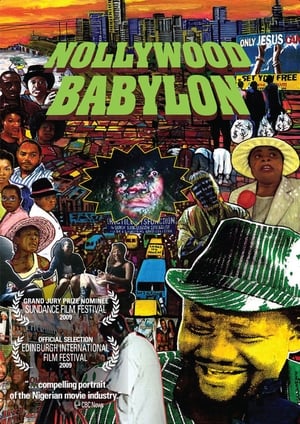
Nigeria's film industry, Nollywood, is the third-largest in the world--an unstoppable economic and cultural force that has taken the continent by storm and is now bursting beyond the borders of Africa. "Nollywood Babylon" is a feature documentary detailing the industry's phenomenal success. Propelled by a booming 1970s soundtrack of African underground music, the movie presents an electric vision of a modern African metropolis and a revealing look at the powerhouse that is Nigerian cinema.
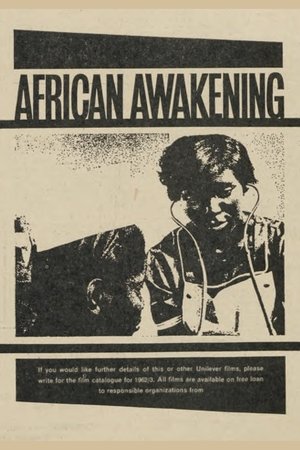
Among the many parts of the world in which Unilever companies operate, West Africa has a special place. The Africa of popular imagination is a land of jungles, swamps and mud huts; but side by side with the traditional, a new Africa is growing and the film "African Awakening” is an expression of this, of the attitudes of those African men and women who are today the driving force of West African progress. “African Awakening”, a colour film which runs for 38 minutes, is one of a series of Unilever films dealing with different aspects of African life.
In Nigeria, to be a twin can be a blessing or a curse. The father of O is the village chief, a witch doctor who believes in the curse of twins. One day, this witch doctor tried to kill his two sons during a ritual ceremony: O managed to escape but saw his brother being murdered. Having fled across his country, he succeeded, by chance, in leaving Nigeria and going into exile in France.
Documentary produced by Unilever about of the operations of its subsidiary. The United Africa Company (Timber) Limited, and associated companies,
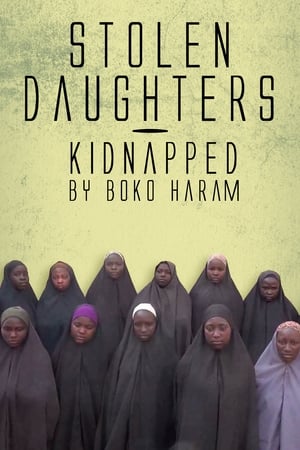
The story of the freed female hostages of Boko Haram, detailing their lives in captivity and since their release.
This documentary offers an overview of French scientific research in Africa French scientific research in Africa: hydrology, botany, biology oil palm and coconut cultivation, industrial sea fishing and and urban planning. Film montage taking stock of scientific research research in Africa, mainly in the fields of hydrology hydrology, botany, biology and agriculture. The film is a compilation of extracts from several short films made by Jean Rouch in Mali, Niger and Côte d'Ivoire between 1962 and 1963: Abidjan, port de pêche, Le Mil, Le Cocotier and Le Palmier à l'huile. l'huile.
"Monday's Girls" explores the conflict between modern individualism and traditional communities in today's Africa through the eyes of two young Waikiriki women from the Niger delta. Although both come from leading families in the same large island town, Florence looks at the iria women's initiation ceremony as an honor, while Azikiwe, who has lived in the city for ten years, sees it as an indignity.
CAOS NO BRAZILIAN FINANCIAL CENTER
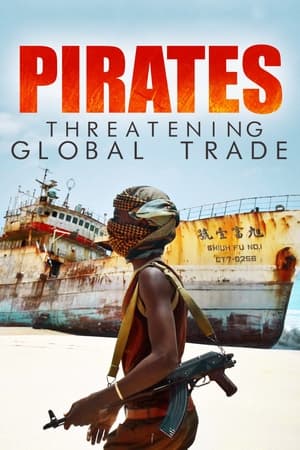
The French researcher Bertrand Monnet visits pirates in Nigeria and Somalia to learn how they make money from oil theft and kidnapping.
The life story of Bisi Alimi, who went from being an anti-gay prosthelytize, preaching hell fire and damnation to those who strayed, into becoming the first Nigerian to come out on national TV.
A documentary film about the art and process of making Fura Da Nono - a type of food that is originated from West Africa's Sahel region, one of the many unique traditions of the Fulani people which has been preserved for centuries.
January 15, 1970: Untold Memories of the Nigeria-Biafra War is a documentary that tells the story of the Nigeria-Biafra war and its end on January 15, 1970. The documentary was produced by the Center For Memories (CFM) in 2020. It features personal accounts from victims of the war, who shared their experiences to help with healing and reconciliation. The Nigeria-Biafra war, also known as the Nigerian Civil War, was fought between Nigeria and the Republic of Biafra from 1967 to 1970. The war was one of the first to be televised globally, and images of starving Biafran children were shown in the mass media of Western countries. The war highlighted challenges in pan-Africanism and the Organization of African Unity.