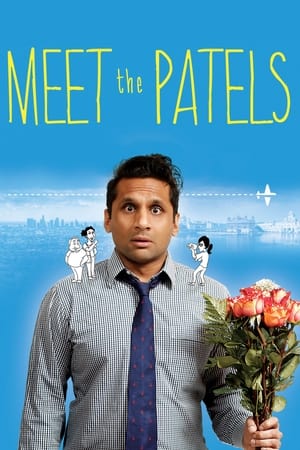
Finding love is never easy. For Ravi Patel, a first generation Indian-American, the odds are slim. His ideal bride is beautiful, smart, funny, family-oriented, kind and—in keeping with tradition—Indian (though hopefully raised in the US). Oh, and her last name should be Patel because in India, Patels usually marry other Patels. And so at 30, Ravi decides to break up with his American girlfriend (the one who by all accounts is perfect for him except for her red hair and American name) and embark on a worldwide search for another Patel longing to be loved. He enlists the help of his matchmaker mother, attends a convention of Patels living in the US and travels to wedding season in India. Witty, honest and heartfelt, this comedy explores the questions with which we all struggle: What is love? What is happiness? And how in the world do we go about finding them?
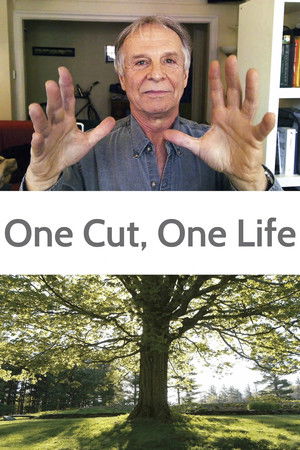
When seminal documentarian Ed Pincus is diagnosed with a terminal illness, he and collaborator Lucia Small team up to make one last film, much to the chagrin of Jane, Ed’s wife of 50 years. Told from two points of view with vulnerability, intimacy and humor, ONE CUT, ONE LIFE challenges the form of first person documentary while offering a complex story of love, loss, legacy, and the delicacy of capturing the preciousness of life while time is fleeting.
Across a language barrier, a Turkish groom-to-be on an engagement party in Kyiv meets a Ukrainian that represents the 'other woman' for a marriage there.
A young boy grapples with first love and his ambitions as a drummer during an eventful summer holiday.
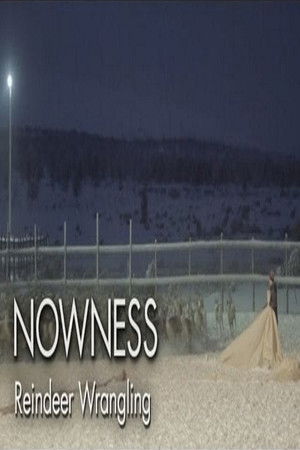
A lyrical and haunting portrait of reindeer herding in the twilight expanses of the Lappish wilderness.
Lee Anne Schmitt explores California's landscape and past to document the history of one-time boom towns built and abandoned by the industries that necessitated their creation. Sold as a limitless land expansive with free opportunity, California was actually, from its onset, fissured by the interwoven needs of private and public interests. Schmitt's film covers various locations through time, as the major industries of the early 20th century (mining, lumber, oil) give way to the military, eventually leading to multinational corporations, and the use of small towns as satellites for growing urban metropolises.
Two novels united by common characters and a never-settled problem: the clash between sincerity of children and the heartless pragmatism and ambitions of grown-ups.
'9-Man' is an independent feature documentary about an isolated and exceptionally athletic Chinese-American sport that's much more than a pastime. Since the 1930s, young men have played this gritty streetball game competitively in the alleys and parking lots of Chinatown. At a time when anti-Chinese sentiment and laws like the Chinese Exclusion Act forced Chinese restaurant workers and laundrymen to socialize exclusively amongst themselves, nine-man offered both escape and fraternity for men who were separated from their families in China and facing extreme discrimination and distrust. Pivoting between oil-spotted Chinatown parking lots and jellyfish-filled banquet scenes, the film captures the spirit of nine-man as players not only battle for a championship but fight to preserve a sport that holds so much history.
Two brothers set fire to a barn while drunk, inadvertently causing the death of a sleeping wanderer. One of them takes all the blame for the incident and spends ten years in prison.
The Resistance builds in numbers as humans are freed from the Matrix and brought to the city of Zion. Neo discovers his superpowers, including the ability to see the code inside the Matrix. With machine sentinels digging to Zion in 72 hours, Neo, Morpheus and Trinity must find the Keymaker to ultimately reach the Source.
The human city of Zion defends itself against the massive invasion of the machines as Neo fights to end the war at another front while also opposing the rogue Agent Smith.
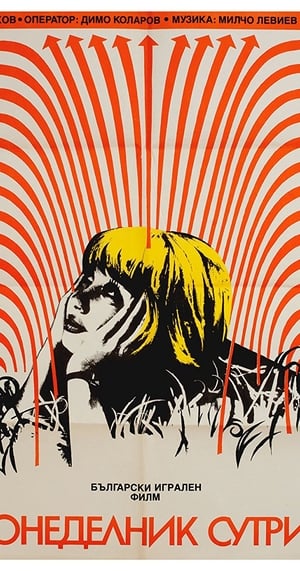
Frivolous girl falls in love with a young construction worker. He trusts her and decides to include her in his team of workers. In the beginning, she is happy, but soon starts to feel the tensions between the people in the team. Hypocrisy and demagogy fill her with indignation and she does not keep silent about the shortcomings and mistakes of her colleagues. Gradually, her superiors become uneasy about her and the girl has to go. Her boyfriend offers her marriage, but she decides to take her own path and lead a worthy life. The movie was shot in 1966 but was censored by the communist government and released in theatres on 31st October 1988.
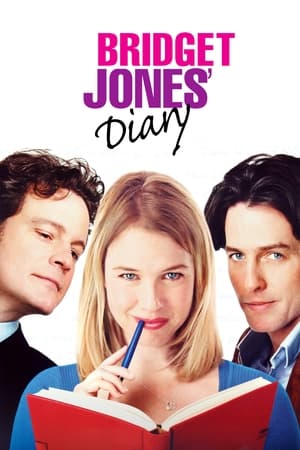
Bridget Jones is an average woman struggling against expectations. As a New Year's resolution, Bridget decides to take control of her life, starting by keeping a diary in which she will always tell the complete truth. Her charming boss takes an interest in her, and she cannot stop running into a rather disagreeable acquaintance whom Bridget cannot help finding quietly attractive.
Tessa Grant, the feisty owner of a bed and breakfast in Cornwall, and David Johnson, an upper-class charmer, face an unexpected turn in their lives. After David's mother Carol loses her fortune to a swindler, they are left with their inherited bed and breakfast. With the aim of selling the accommodation quickly, they move in with Tessa. The Johnsons' chaotic lifestyle clashes with Tessa's regular life. However, when they try to win over Tessa's best friend Bruce, unexpected feelings develop between Tessa and David.
Anna is persuaded by her boyfriend Paul to move from Berlin to his home town of Imma. What the notorious soccer hater doesn't know, however, is that joining his best friend Steffen's law firm is just a pretext. In reality, Paul and his buddies are there to save the soccer club he co-founded, Eintracht Imma 95, from relegation. Anna soon realizes that the players' wives have nothing to say to their soccer junkies: Artificial turf in the bedroom, Effenberg bedding and weekends on the soccer pitch. When she finds out the real reason for the move, she mobilizes her fellow sufferers to counter-attack after a fierce bout of frustration and challenges Paul and his friends to the ultimate duel on the soccer pitch. The bet is on: women against men. If the women win, soccer is over - and Paul has to go back to Berlin with Anna. Forever. If the men win, there will be no more complaining.
Or shoulders a lot: she's 17 or 18, a student, works evenings at a restaurant, recycles cans and bottles for cash, and tries to keep her mother Ruthie from returning to streetwalking in Tel Aviv. Ruthie calls Or "my treasure," but Ruthie is a burden. She's just out of hospital, weak, and Or has found her a job as a house cleaner. The call of the quick money on the street is tough for Ruthie to ignore. Or's emotions roil further when the mother of the youth she's in love with comes to the flat to warn her off. With love fading and Ruthie perhaps beyond help, Or's choices narrow.
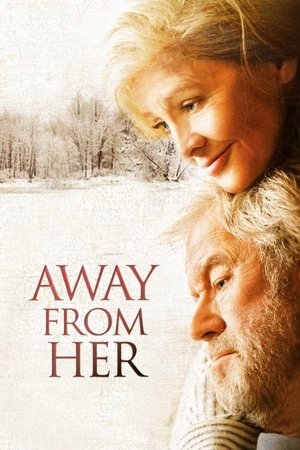
Fiona and Grant have been married for nearly 50 years. They have to face the fact that Fiona’s absent-mindedness is a symptom of Alzheimer’s disease. She must go to a specialized nursing home, where she slowly forgets Grant and turns her affection to Aubrey, another patient in the home.
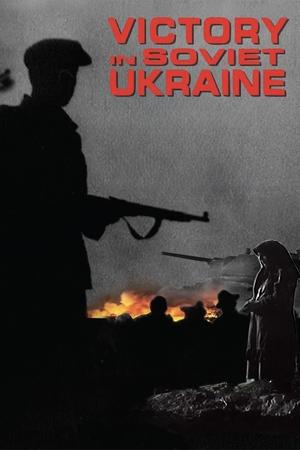
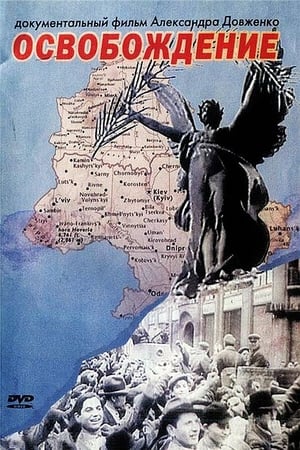
A wartime documentary directed by Alexander Dovzhenko and Yuliya Solntseva, depicting the final campaigns that drove Nazi forces from Ukraine in 1944–45. Combining frontline footage, liberated cityscapes, and scenes of returning civilians, the film chronicles both the devastation of occupation and the triumph of Soviet arms. It stands as both a historical record of the Ukrainian front and a patriotic celebration of victory at the close of the Second World War.
Tres instantes, un grito
Wartime documentary by Dovzhenko and Solntseva.