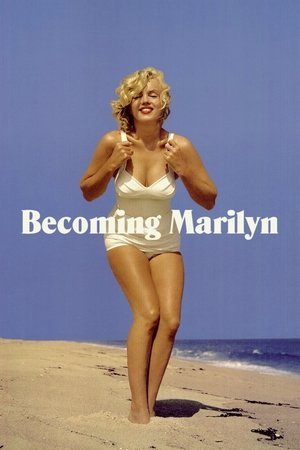
The story of how Norma Jeane Mortenson became Marilyn Monroe (1926-62), a lucid path of self-discovery, from anonymity to stardom: the painful birth of a myth.
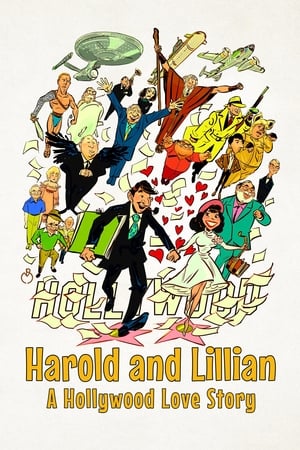
Working largely uncredited in the Hollywood system, storyboard artist Harold and film researcher Lillian left an indelible mark on classics by Alfred Hitchcock, Steven Spielberg, Mel Brooks, Stanley Kubrick, Roman Polanski and many more.
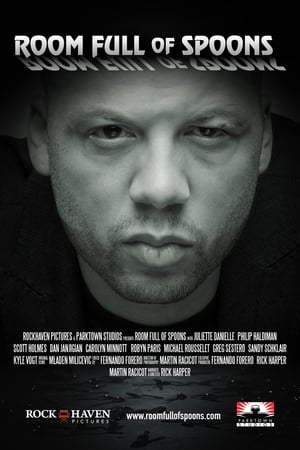
Room Full of Spoons is an in depth documentary about the cult film that is widely accepted as the worst film ever made: The Room, and it’s eccentric creator Tommy Wiseau. Referred to as “The Citizen Kane of bad movies” by Entertainment Weekly, The Room grossed only $1800 during it’s initial box office run. Against all odds, Mr. Wiseau’s disastrous film found a new life on the midnight movie circuit and now plays to audiences around the world making it one of the most adored and important films in popular culture. Follow Rick Harper and his team on their journey across the Globe as they experience this midnight movie phenomenon, meet with the entire cast and crew of the The Room and piece together the story behind the mysterious Tommy Wiseau. The film has not yet received a full release due to legal action taken by Wiseau against the filmmakers.
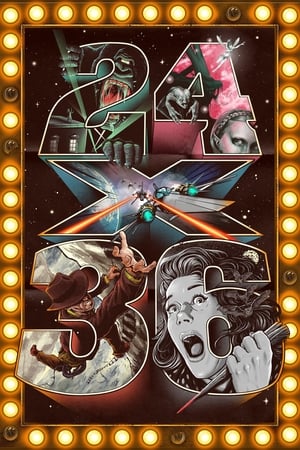
A documentary exploring the birth, death and resurrection of illustrated movie poster art. Through interviews with a number of key art personalities from the 70s and 80s, as well as many modern, alternative poster artists, “Twenty-Four by Thirty-Six” aims to answer the question: What happened to the illustrated movie poster? Where did it disappear to, and why? In the mid 2000s, filling the void left behind by Hollywood’s abandonment of illustrated movie posters, independent artists and galleries began selling limited edition, screenprinted posters — a movement that has quickly exploded into a booming industry with prints selling out online in seconds, inspiring Hollywood studios to take notice of illustration in movie posters once more.
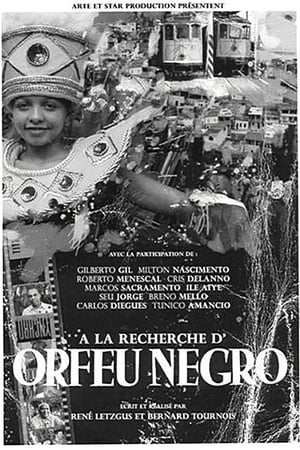
Documentary about Marcel Camus' 1959 film Black Orpheus, its cultural and musical roots, and its resonance in Brazil today.
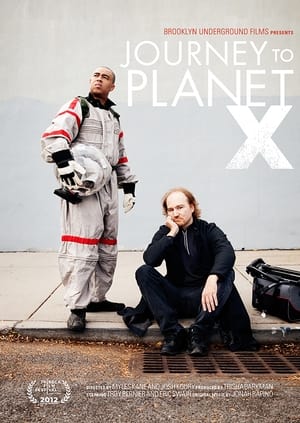
Eric Swain and Troy Bernier are scientists by day and amateur filmmakers by night. Over the years these two friends have turned out many of their own amateur, sci-fi inspired movies. Journey to Planet X follows the filming of Planet X, the duo’s most ambitious endeavor to date, and sheds light on their unique brand of “movie magic.”
Documentary looking at the film classic, They Drive By Night
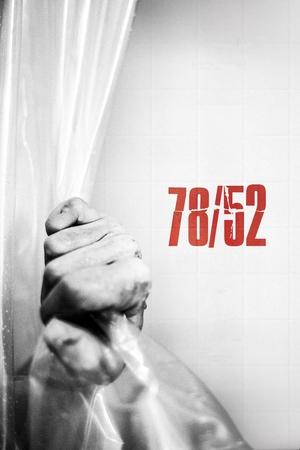
The most famous murder scene in movie history comprises 78 camera settings and 52 cuts: the shower scene in Alfred Hitchcock's Psycho. 78/52 tells the story of the man behind the curtain and his greatest obsession.
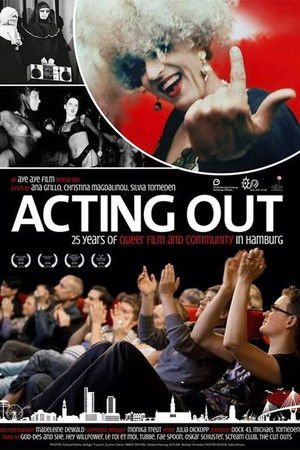
A documentary about the International Queer Film Festival Hamburg that celebrated its 25th anniversary in 2014. The filmmakers have filmed, interviewed, gleaned the archives, watched hours of footage and edited reams of material into a small masterpiece. With its gorgeous shots and sublime soundtrack, the documentary entertainingly brings across both the unique atmosphere and 25-year history, and above all, illuminates the complex mesh that both forms and carries the festival. On another note, the film tries to detect the ways a queer film festival like this has functioned as a platform for unheard voices - and continues to do so in the present. For some people, its sole existence has been a life changing momentum.
A chronicle of the life and successful career of American actor Jeff Bridges, who for many years was a star reluctant to shine, until the hardworking and discreet actor crossed paths with a character who became a pop culture icon.
A documentary created by the Criterion Collection for their release of Italian film director Federico Fellini's Amarcord about his relationship with his home town, Rimini, featuring archive interviews with the director and more recent interviews with some of his friends and collaborators.
In Search of Kundun, a “making-of” documentary that is so much more, follows Scorsese as he plans his epic film and shoots in Morocco, and continues on to an audience with the Dalai Lama himself in the foothills of the Himalayas. Edited from over a hundred hours of footage, the documentary captures Scorsese’s fervor as a filmmaker and a man, the modest yet charismatic Dalai Lama, and the plight of the exiled Tibetans. -Denver Film Society
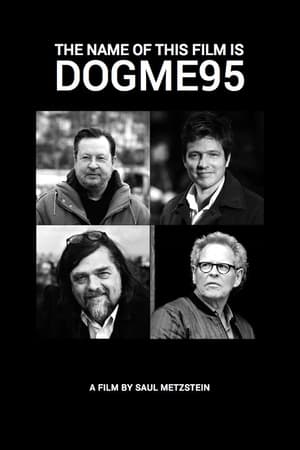
The Name of this Film is Dogme95 is an irreverent documentary exploring the origins of Dogme95, the most influential movement in world cinema for a generation. The film tells how a 'brotherhood' of four Danish directors armed with a radical Manifesto, has inspired, outraged and provoked filmmakers and filmgoers the world over. The rules of Dogme95 take filmmaking back to its brass-tacks - stories must be set in the here and now; the films must be shot on location, with a handheld camera, using natural light, and direct sound; the rules forbid murders and weapons (staples of the much-loved action-movie genre); and, most amusingly, the director must not be credited (that holds also for the director of The Name of this Film is Dogme95...).
A short documentary about the making of Jennifer Kent's 'The Babadook'.
Loving documentary about the invisible hand that brings light in the cinema: the projectionist. Momentarily, his booth is at the centre of this film, which primarily looks back on the time when you could still touch film images. "Do pay attention to that man behind the curtain!"
A documentary film examining Michael Powell's 1960 film "Peeping Tom," the controversy surrounding its release, and the life of its screenwriter, Leo Marks.
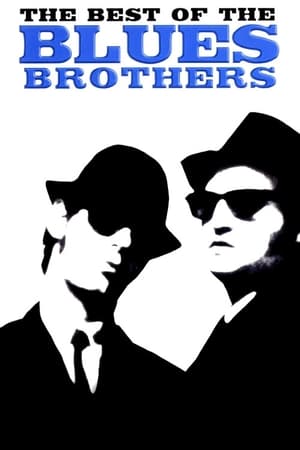
Writer Tom Davis hosts a Blues Brothers retrospective that tells the whole truth about the legendary band's early days and righteous ways. The Blues Brothers were an unforgettable part of Saturday Night Live's golden era, making their musical debut in bee costumes singing "I'm a King Bee," and becoming an overnight sensation. Switching to hats and shades inspired by John Lee Hooker, they combined classic Chicago Blues with Stax-Volt R&B to create a sound all their own. Their first album, Briefcase Full of Blues, went double-platinum and led quickly to their hit movie and milestone soundtrack album. The rest is history, and it's all here in a music-filled, memory-blasting account of a band that will always be on a mission from God.
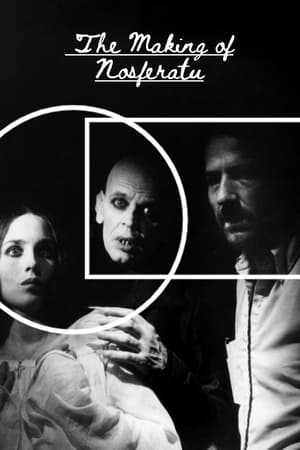
Werner Herzog discusses the making of "Nosferatu" on set.
Hong Kong, 1978. South Korean actress Choi Eun-hee is kidnapped by North Korean operatives following orders from dictator Kim Jong-il.
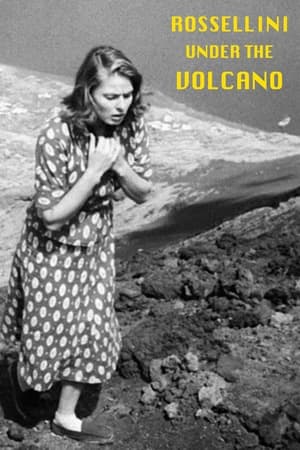
A documentary about Roberto Rossellini and the making of his 1950 film "Stromboli."