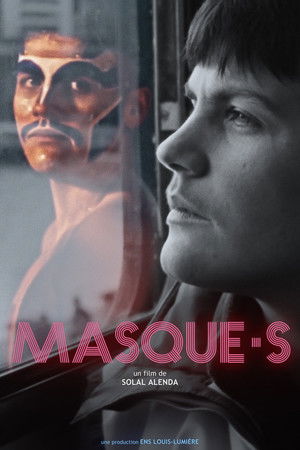
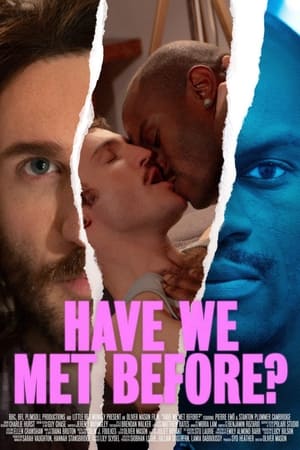
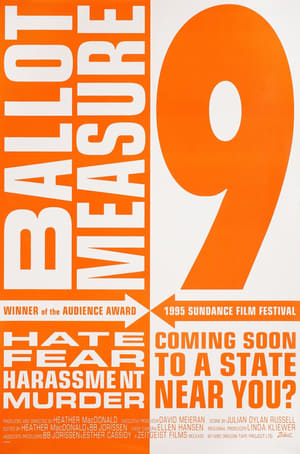
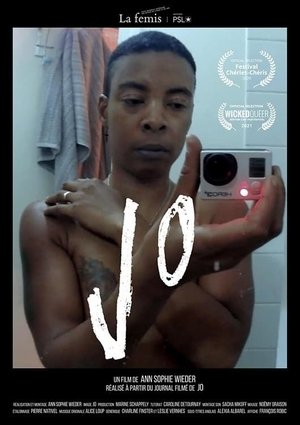
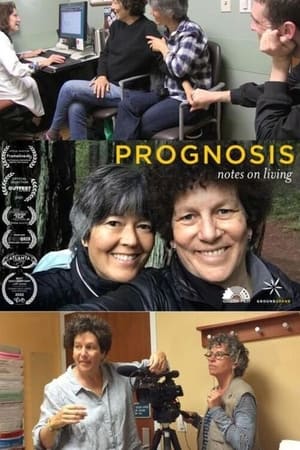
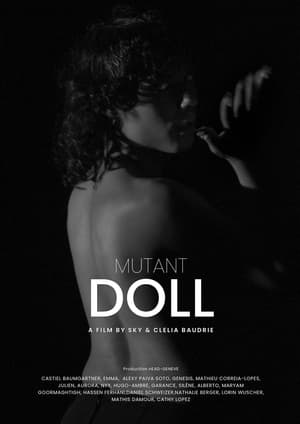
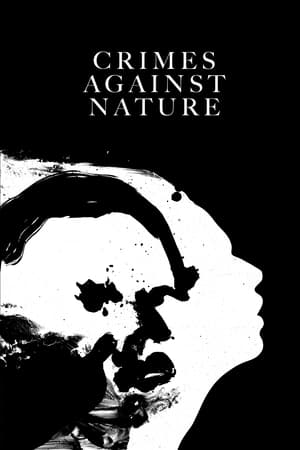
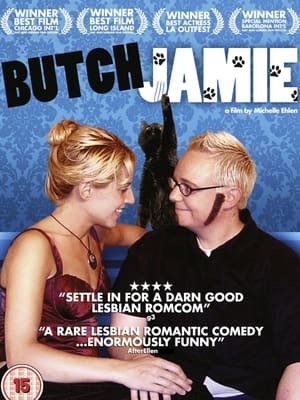
The urban on-line dictionary defines queercore as “Gay-themed, underground, independent music; usually punk rock (Team Dresch, Pansy Division, The Butchies, The Need, etc.)”. See for yourself.
A truly major work, I Don’t Know observes the relationship between a lesbian and a transgender person who prefers to be identified somewhere in between male and female, in an expression of personal ambiguity suggested by the film’s title. This nonfiction film – an unusual, partly staged work of semi-verité – is the first of Spheeris’s films to fully embrace what would become her characteristic documentary style: probing, intimate, uncompromising. Preserved by the Academy Film Archive in 2014.
Alana and Lori were just two LGBT 20-somethings looking for love on Tinder when a casual right swipe made a match that would bind them together forever. Within a few weeks of meeting, Lori learned that Alana suffers from Lupus and has been waiting on the kidney transplant list for years. The state of New York, where Alana lives, has the lowest number of organ donors in the country, and because of her complex medical background, her chances of finding a donor match were incredibly slim. Against all odds, Lori found that she was a candidate for donation and decided to give Alana the ultimate gift. If the transplant is a success, Alana will triple her life expectancy and be freed from nightly dialysis. But if it fails, Lori will go through risky surgery and lose a healthy organ in vain. BEAN is an emotional medical journey for two families that tests the true limits of love and sacrifice.
Oscar Wilde is a married playwright who has occasionally indulged his weakness for male suitors. After much toil, Wilde debuts 'The Importance of Being Earnest' in London, and a chat at the theatre with Lord Alfred 'Bosie' Douglas leads to a full-fledged romance. However, this affair leads to a legal dispute with Lord Alfred's oppressive father, the Marquess of Queensberry, and, given the local anti-gay laws, Wilde is jailed. Wilde's vast intellect helps him survive until he regains his freedom.
The history of New York’s Meatpacking District, told from the perspective of transgender sex workers who lived and worked there. Filmmaker Kristen Lovell, who walked “The Stroll” for a decade, reunites her community to recount the violence, policing, homelessness, and gentrification they overcame to build a movement for transgender rights.
Four Black transgender sex workers in Atlanta and New York City break down the walls of their profession.
Cinema Fouad is a documentary portrait of Khaled El Kurdi, a Syrian trans woman living in Beirut, where she earns a living as a domestic worker and belly dancer. Soueid shows us scenes of El Kurdi’s domestic world: eating, applying make-up, dancing in her bedroom, all while reflecting on her life and experiences. She expresses her desire to undergo gender reassignment surgery, and mourns the death of her lover, a Palestinian freedom fighter. She often alludes to the aggressions she faces outside of her home, and through her adept defiance in the face of some of Soueid’s more goading questions, we recognize the echoing of these aggressions in his role as interviewer.
Fragmentary perspectives on Human Rights and transgender (trans*) People in Turkey. What remains at the place where a murder happened? What constitutes trans* life? How to cope with daily violence and hatred? We begin to search for traces. We follow the tracks of resistance and survival. We are collectors of the expelled. We gather fragments of trans* lives inspired by texts of Nazim Hikmet, Foucault, Benjamin and Zeki Müren. Trans*BUT is a documental research study driven by the question: “What keeps you going when all else falls away?”
Katherine Watson is a recent UCLA graduate hired to teach art history at the prestigious all-female Wellesley College, in 1953. Determined to confront the outdated mores of society and the institution that embraces them, Katherine inspires her traditional students, including Betty and Joan, to challenge the lives they are expected to lead.
In this home movie collection of gay men, memory serves as an act of hope, power, and above all, resilience.
A documentary that offers a return in images to the creation of AHLA, Amazones d'hier, Lesbiennes d'aujourd'hui, a lesbian collective at the origin of the video of the same name shot in 1979 and also the eponymous magazine published between 1982 and 2014. Based on interviews conducted in May 2021 as well as archive footage, this documentary highlights the four founding members of the collective.
Seville, 1968. Honorio, Rafa, and Vicente are about to turn 20 and dream of escaping their routine. After watching a NO-DO newsreel about the tourism boom on the Costa del Sol and its air of freedom, they decide to travel to Torremolinos to change their lives and, above all, lose their virginity with Swedish women. Armed with the necessary excuses and a loaded Seat 600, they embark on a journey that will challenge everything they thought they knew until then.
Fifty years on from the partial decriminalisation of homosexuality in the UK, this BBC Two documentary explores how safe it is to be gay in Britain today. With homophobic hate crime on the rise, this film takes a 360 degree look at the issue, hearing from the victims, their families and the police. What makes someone attack another person because of their sexuality? How do victims deal with these unsolicited and unprovoked assaults? And what are we doing about this in Britain in 2017?
Caitlyn Jenner's unlikely path to Olympic glory was inspirational. But her more challenging road to embracing her true self proved even more meaningful.
A documentary of burgeoning popstar Frimann's last gig in Liverpool before moving back home to Norway
Private Diary documents photographer Pedro Usabiaga working with a variety of amateur models. The audience sees how the relationships between the photographer and the subjects changes during their time together, as well as how the individual photographs begin to take shape. Pedro Usabiaga is a well-established Basque photographer whose chief concerns are figurative photography and whose passion in photographing the Spanish male. In this hour long conversation with the artist we are given entry into that process of selecting models (none of the models he uses for this book to be titled 'Private Diary' are professional, but instead are randomly chosen as Usabiaga observes athletes in action) and then allowed to follow Usabiaga and his crew as they photograph these men in natural settings and natural light.
In 2012, Stephen Vaughan and Kay Ferreter are invited to address the congregation at St. Joseph's Redemptorists Church in Dundalk, Ireland for the Solemn Novena Festival. In a powerful speech, the pair describe their experiences being gay and lesbian in Ireland, feeling excluded by Catholic doctrine, and the importance of a more inclusive church.
“It ain’t easy…being green” is the favorite expression of Stormé DeLarverie, a woman whose life flouted prescriptions of gender and race. During the 1950s and '60s she toured the black theater circuit as a mistress of ceremonies and the sole male impersonator of the legendary Jewel Box Revue, America’s first integrated female impersonation show and forerunner of La Cage aux Folles.
The trajectory of flamboyant bodies that expose themselves in their social networks, whether artistic or not, and use these spaces freely.
In 2019, some still consider homosexuality as a disease that needs to be cured. Focusing on movements with roots in the United States, which draw on both religion and psychiatry to justify so-called conversion therapies, an investigation into the devastating consequences of certain practices that seem to successfully avoid any control by European public authorities.