What is the role of an ethnographic filmmaker as an outsider and student of a culture? Is it about representing, demonstrating, and reflecting or exposing, participating, and transposing? Although these are not binary terms of the historic discussions in anthropology, they share a lot to be experimented through shared cine-anthropology and sensory multimodal ethnography.
In this innovative blend of documentary and fiction, Rosa and Paloma, two trans Latina sex workers in Queens, New York, fight transphobic violence, persecution from the police, and defend their cases of trafficking in an increasingly anti-migration political environment in the U.S.
Filmmaker Binevsa Bêrîvan travels to Armenia to capture the daily life, customs, and history of the country's Yazidi Kurdish community.
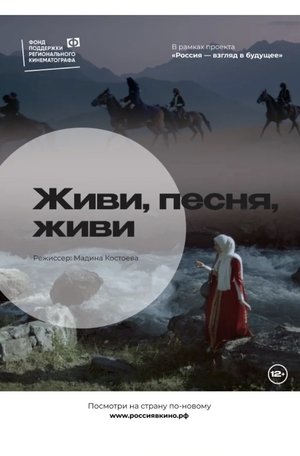
The film tells the story of ancient Ingush lullabies - Ingush women and men tell the lullabies of their families and the stories associated with them: love, friendship, blood feud.
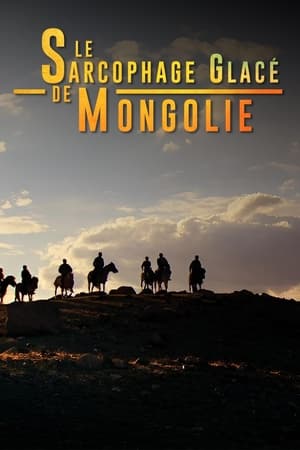
In the Frozen Tomb of Mongolia
Documentary directed by Pío Caro Baroja, divided into eight distinct parts: Man, Stone, Meadows, Trees, Rural Environment, Iron, Sea, and Villages. This eminently ethnographic work is a compendium of the customs and traditions of a people with an ancient history, which today remains a witness to many images that will never again be part of everyday life.
Film about the singing and dancing culture of the Ingush people
How do you entertain yourself while entertaining others? A short documentary about a nighttime projectionist passing the time.
African Dwarves
Lovci lebek
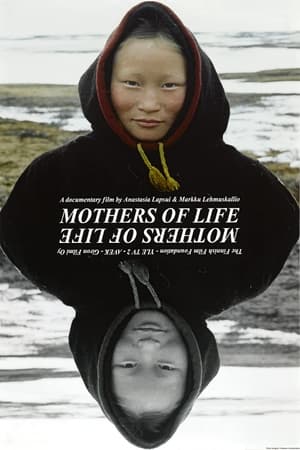
A documentary on the experiences of the Nubetya Yaptiks nomadic family in the Yamal Peninsula, Eastern Siberia, from 1992 to 2001.
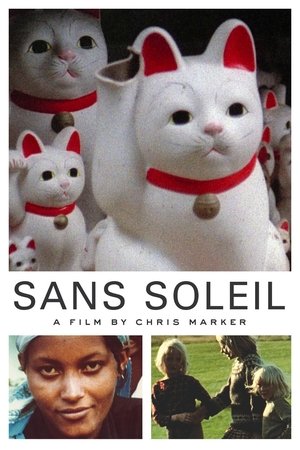
A woman narrates the thoughts of a world traveler, meditations on time and memory expressed in words and images from places as far-flung as Japan, Guinea-Bissau, Iceland, and San Francisco.
Rites and operation of the circumcision of thirty Songhai children on the Niger. Material of this film has been used to make "Les Fils de l'Eau".
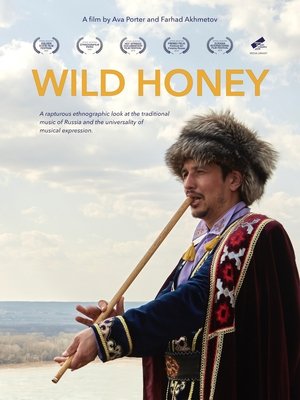
Wild Honey
This film is a portrait of unique cultural space for Spirits, Gods and People. While permanent theatres are commonly built in most cosmopolitan modern cities, Hong Kong preserves a unique theatrical architecture, a Chinese tradition that has lasted more than a century - Bamboo Theatre.
An ethnographic documentary about the Mangbetu tribe of the Belgian Congo (now the Democratic Republic of the Congo). The film features a discussion of various rites including the Mangbetu practice of head binding, as well as various examples of traditional music and dance.
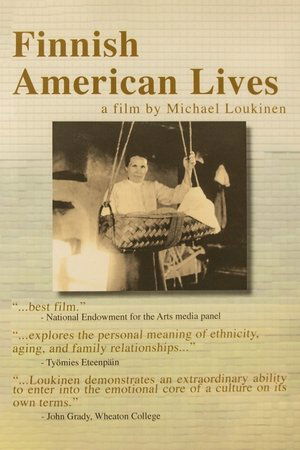
A moving portrait of traditional Finnish American culture in the Upper Peninsula of Michigan, highlighting that fragile community of memory connecting ourselves with parents and grandparents. It uses the “biographical model” of folklore filmmaking to tell the story of Erikki Vourenmaa, a 92-year-old Finnish immigrant, and his family living near Ironwood, Michigan. This three-generation farm family works, celebrates, reflects, and grieves together. The film explores the meaning of family, ethnic history, aging and intergenerational bonds. It contrasts between the immigrant elder, his American-born son and the partially assimilated grandchildren to illustrate change and continuity in the "sauna belt" of the Lake Superior Region. As Dr. Sharon Sherman concluded, “Loukinen’s focus on the bonds between generations will strike emotional chords about family relationships and ethnic identity for numerous cultural groups.”
Dos Antigos aos Filhos do Amanhã
Somewhere on the coast of the Bering Sea, a father and son make a living fishing in a community that seems almost outside of time. Aliaksandr Tsymbaliuk’s camera takes us in close to the subjects, recording both the harshness of their condition and the rigour of education, softened by paternal love and the universal insouciance of childhood.
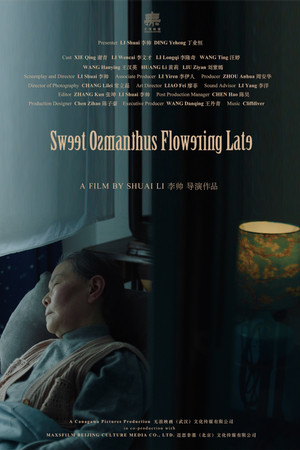
"Sweet Osmanthus Flowering Late" is a feature-length ethnographic film that envisions social rejuvenation and collective convalescence in the aftermath of the pandemic. Filmed in Wuhan, the film follows the everyday lives of three middle-class households. It postulates the existence of a mass dreaming phenomenon that facilitated fatigued Chinese inhabitants to rejuvenate themselves following the secluded episode of lived experience and to coexist with the enduring imprints of "the event" on their social lives.