An orphaned dinosaur raised by lemurs joins an arduous trek to a sancturary after a meteorite shower destroys his family home.
After a migrating duck family alights on their pond with thrilling tales of far-flung places, the Mallard family embarks on a family road trip, from New England, to New York City, to tropical Jamaica.
Through dances and games, migrant boys and girls who live in a shelter in Reynosa, on the US-Mexico border, shared their dreams and stories of hope with us.
A sequel to the 2011 "Going to the Store" and 2013 "Late for Meeting" animated short films, which feature a silly, disjointed journey in the traditions of dadaism and surreal humor in film.
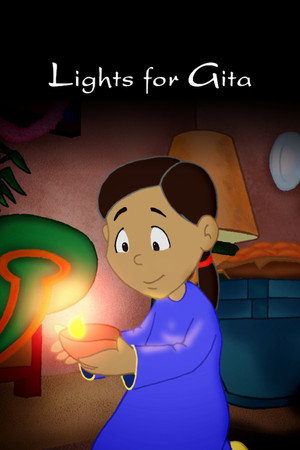
This animated short, based on the book by Rachna Gilmore, is the story of Gita, an 8-year-old girl who can't wait to celebrate Divali - the Hindu festival of lights - in her new home in Canada. But it's nothing like New Delhi, where she comes from. The weather is cold and grey and a terrible ice storm cuts off the power, ruining her plans for a party. Obviously, a Divali celebration now is impossible. Or is it? As Gita experiences the glittering beauty of the icy streets outside, the traditional festival of lights comes alive in a sparkling new way.
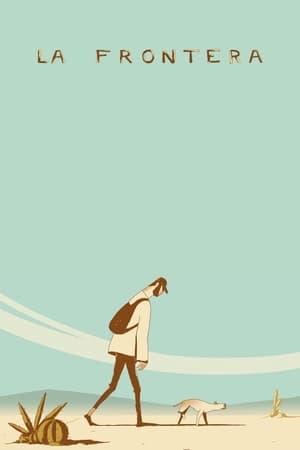
A man and his dog cross the desert in search of La Frontera, a mighty river that represents the geographical limit with the neighboring territory. Exhausted, they manage to see their goal, but they must cross other obstacles before conquering its waters.
After he’s grounded by an injury, a high-flying bachelor is saddled with two wide-eyed orphans as they come face-to-face with the dangers and beauty of the outside world.
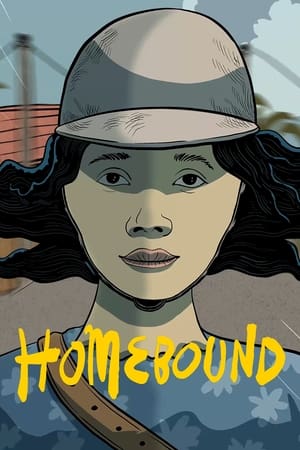
Through first person narration, Tari reveals personal stories related to her decision to work in Taiwan, her strained family relationships, the risks involved in working abroad and the traps she has fallen into.
A short animation using the individual entries from within The Archive of the Irish in Britain as a new entry on each frame of the character's journey. The combination of individual voices crafts this distinct and honest narrative that the archive reveals.
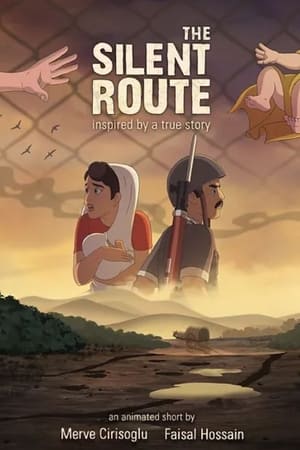
The Silent Route
Those who do not know the Sahara think there is only sand in the desert. But in the desert there are children who play and draw and make movies, and who would like to not have to think about the war. In the desert there's a European colony, an occupied country called Western Sahara, where there are thousands of Sahrawi refugees living a hard life in exile. "Little Sahara" tells their story, the story of a supportive, resilient people who try to thrive and grow in the Hamada, where everything has a hard time growing.
Two hopeful migrants must make the long, arduous journey across a desolate landscape toward the promise of a better life only to discover their destination may no longer be the place they believed it was.
On the one hand, there’s the desert eating away at the land. The endless dry season, the lack of water. On the other there’s the threat of war. The village well has run dry. The livestock is dying. Trusting their instinct, most of the villagers leave and head south. Rahne, the only literate one, decides to head east with his three children and Mouna, his wife. A few sheep, some goats, and Chamelle, a dromedary, are their only riches. A tale of exodus, quest, hope and fatality.
Shin-ae moves to her recently late husband’s hometown. Despite her efforts to settle in this unfamiliar and too-normal place, she finds that she can’t fit in. After a sudden tragedy, Shin-ae turns to Christianity to relieve her pain, but when even this is not permitted, she wages a war against God.
Sister Tse is brought to New York by a Snakehead, a human smuggler. Although she is indebted to the crime family responsible for her transport, her survival instincts help her gain favor with the matriarch, and she rises quickly in the ranks. Soon Tse must reconcile her success with her real reason for coming to America—to find the child that was taken from her. In the end, Sister Tse must draw on the strength she found in transforming her victimhood into power.
A humorous observation in Barcelona’s immigrant neighbourhood El Raval. Four barber shops, four places of remembrance, strange time and space capsules inhabited by people who left their home to find a better one, while the Spaniards are about to leave their own country themselves.
Tahir Agha sells all his assets when his business in Maraş deteriorates. He immigrates to Istanbul with his wife Hatice, sons Selim, Murat, Kemal and daughter Fatoş, where he sets his mind to open a repair shop. But in the metropolis, things don't go as planned.
This anthology film, whose Chinese title begins with a romantic name for human excrement, premiered internationally at Rotterdam and won Best Screenplay from the Hong Kong Film Critics Society. A variety of Hong Kong people wrestle with nostalgia when facing an uncertain future. Their stories give way to a documentary featuring a young barista turned political candidate.
Enrico Naso is an undertaker in Lampedusa. Constantly confronted with the death that lurks everywhere on this remote rock in the middle of the Mediterranean Sea, Enrico has chosen life, immersing us in what it means to be human.
Qazi is the story of a young Pakistani refugee who is forced by economic and family circumstances to seek his fortune in Europe.