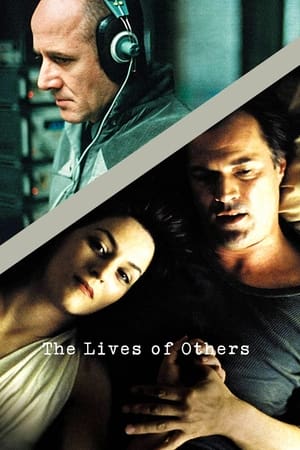
In 1984 East Berlin, dedicated Stasi officer Gerd Wiesler begins spying on a famous playwright and his actress-lover Christa-Maria. Wiesler becomes unexpectedly sympathetic to the couple, and faces conflicting loyalties when his superior takes a liking to Christa-Maria.
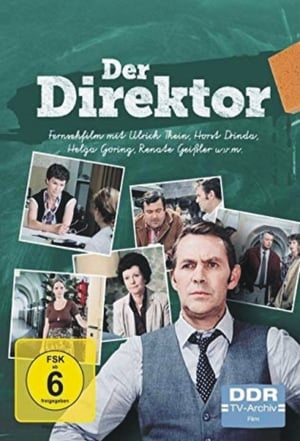
The school authorities want to read success stories in director Joachim Faber's reports. But they cannot simply be produced on an assembly line. Pupils, for example, use the wrong tone. The matter draws circles until the superiors finally talk about refusal to work. Director Faber is caught between the efforts to resolve the conflict with pedagogical means and the pressure from above.
Based on a true story, Miguel Alexandre's two-part drama focuses on an East German woman and the fight for her children. Spring 1982: Sara Bender, living with her daughters Silvia and Sabine in the East German town of Erfurt, wants to marry her colleague Peter, but shortly before the wedding, her father is killed in a road accident. As the funeral takes place in West Germany, she isn't allowed to got there, so she starts planning to leave her communist home country forever. Trying to flee via Romania, she is caught by the secret service. After years in jail, Sara is ransomed by the West German government, but without her daughters. To draw the world's attention on her desperate situation, she starts demonstrating at the Berlin border crossing Checkpoint Charlie
To experience snow and learn German, the young Vietnamese woman Trúc Lâm moves to a little town in the Erz Mountains. During a guided tour of a mine, she leaves her group and reaches the other side of the mountain through a secondary shaft. The world there is similar to the one she left – only all the people are different. She meets Duc, who is also from Vietnam and whose parents have an Asian snack bar. And she meets a mysterious spirit who offers to make a deal with her to enable her return to her old world.
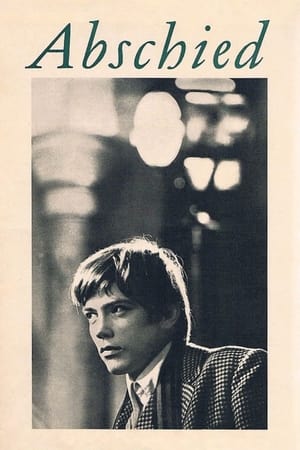
In August of 1914, amidst the public ecstasy surrounding the impending war, Hans Gastl, the young son of a Munich bürger, makes a decision: he will not take part in this war. This resolution signifies a turning point in his life; a farewell to his class and his family.
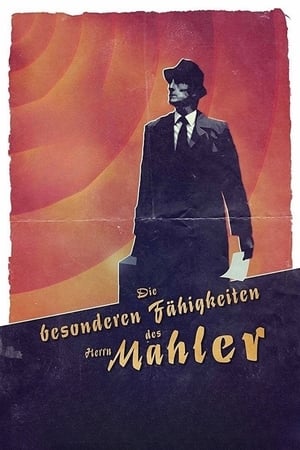
A missing person case involving a child in 1987 East Germany attracts the attention of an investigator rumored to possess supernatural powers.
Berlin in the 1960s. Olaf and Horst are two young metalworkers, who provoke their older colleagues with critiques of the antiquated equipment and lack of materials... not to mention their love of leather jackets and motorbikes. Olaf and Horst begin to be targeted in the house newsletter, and the generational conflict escalates.
In 1956 Stalinstadt, East Germany, during the Hungarian uprising against Soviets is taking place, local teenagers perform a seemingly harmless act that causes unexpected consequences.
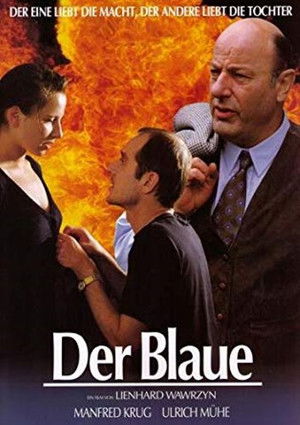
In this German political drama, an ex-Stasi agent encounters an old friend whom he may have betrayed after his friend tried to escape East Germany. The former East German agent is Otto Skrodt who after many years is about to be promoted in the highest government ranks. He is anxious to maintain a squeaky clean image. His daughter is Isabelle. The young and friendly Kalle returns after spending many years in jail for his escape attempts. He doesn't know exactly who blew the whistle, but his friend Skrodt is definitely under suspicion. Kalle returns to ostensibly renew the friendship and to see Isabelle whom he loves. The duplicitous friendship between the two men becomes the main focus of the story which features interesting plot twists at the end.
A high-rise building in the center of Berlin in the GDR on July 11, 1982. The final match of the soccer World Cup is being broadcast on television. Five episodes revolve around this event: Soccer fanatic Kneutzsch is torn between the exciting match and the rather irritated woman by the unexpected visit of a lady to whom he has written a marriage announcement ... Dr. Kobermann - on painkillers - has mistaken the bathroom door for the corridor door and locked herself out. Her husband is sitting in front of the TV with headphones on and doesn't hear her ringing, so she seeks refuge in her nightgown with a neighbor, a flautist. After his ex-love Carmen leaves him and wants to return home, the exiled Andrés follows the game - in the knowledge that his father, thousands of kilometers away, is also watching...
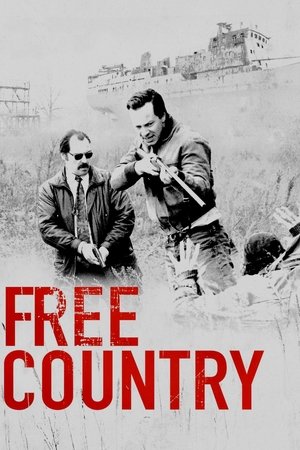
Former East Germany, 1992. Patrick Stein and Markus Bach, two very different police officers, are commissioned to investigate the disappearance of two female teenagers in a remote area of the country. Did they run away from home or did something more terrible happen to them?
Jette and Johannes have been living together for two years when Johannes suggests that they "legalize" their relationship. Jette loves him, but the proposal of marriage terrifies her.
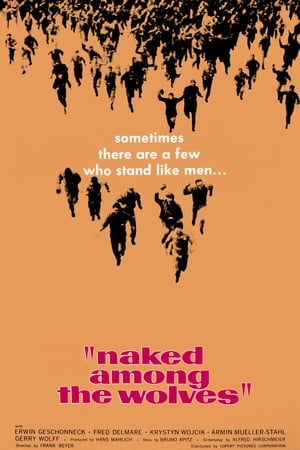
Based on a true story of inmates at KZ Buchenwald that risked their lives to hide a small Jewish boy shortly before the liberation of the camp.
Paul and Paula have had bad experiences with love: Paul is financially well off but has lost all affection for his wife, and Paula leads a troublesome life raising two children on her own. They meet and discover a strong passion for each other. Life seems like a dream when they're together - but their short flights from the burdens of reality are once and again interrupted by Paul's ties to family and career.
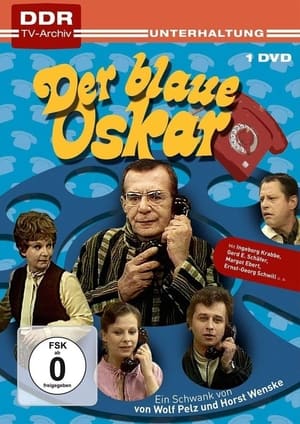
Der blaue Oskar
Mauritius Halbermann, nicknamed "Mauts", works as an advertising manager for Gravo-Druck, a state-owned print company. Mauts, a man obsessed with his work, incessantly percolates with marvelous ideas - and now that he has once again come up with another brilliant idea, he naturally wants to present his proposal to his boss. As it happens, his supervisor along with his entire family and some of Mauts's colleagues - including Lore who Mauts secretly fancies - have gone on a holiday trip.
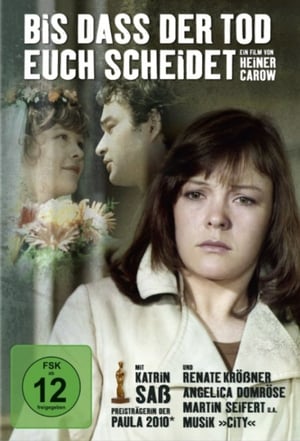
Scenes from an East German marriage. A young couple, Sonya and Jens, are very much in love; they get married and have a child. When Sonya wants to go back to work after her maternity leave, they clash for the first time; Jens insists that she remain a full-time wife and mother. Until Death Do Us Part turns an actual police report into a gripping drama, as the director explores the depths of his characters' emotions, driving the conflict to a catastrophic climax.
After the fall of the Berlin Wall, a communist family discovers a bunker full of money soon to be worthless. With the help of their neighbors, they embark on a race against time to enter the capitalist world in style.
Sunny is the singer of a band trying to establish itself in the East Berlin music scene. They play regular gigs in small towns, but Sunny feels out of touch with the audience and with her life as a whole. She begins a relationship with Ralph, an amateur saxophonist and philosophy student, who writes her a very personal song—but his obsession with death and unfaithful lifestyle are not for her. After getting into a quarrel with a band member who harasses her and telling off a show host, she is thrown out of the band. Abandoned, she struggles to regain control over her life.
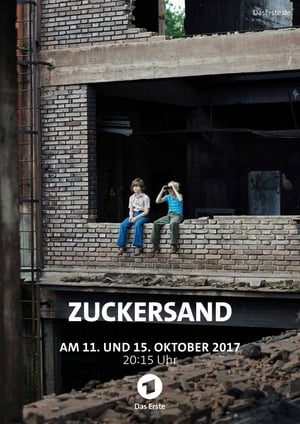
End of the 1970s in East Germany: Fred and Jonas are close friends. The 10-year-olds live near at the German-German frontier. After the mother from Jonas has made an exit application, the boys have to recognize that they are soon separated from each other. But they want to dig a tunnel to Australia to meet there themselves again. When Jonas should leave the country with his mother this night changes everything.