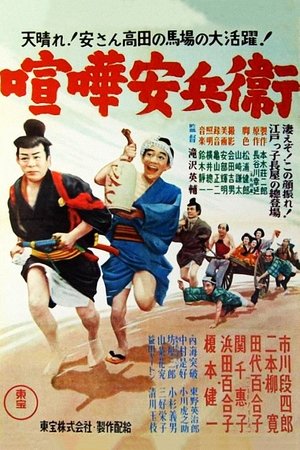
Yasube Nakayama left the clan and lives in Edo. One day, Yasubei visits his uncle Rokuroemon Kanno to borrow money from a moneylender in the amount of 13 ryo in order to save Oteru, the daughter of a merchant. However, the next day, Rokuroemon was killed in a fight by the Murakami brothers. Yasubei rushed to the scene, took revenge and became the husband of Miya, the daughter of Horibe Yahei.
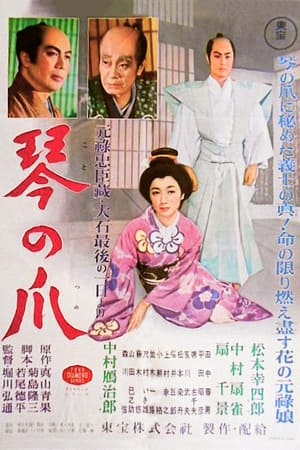
Seppuku Day 17 Ako ronins, including Kuranosuke Oishi, who were entrusted to the Hosokawa family, and the events of the two days before are depicted as a tragic romance between one of the ronins, Jurozaemon Isogai, and Omino. An adaptation of Seika Mayama play "Genroku Chusingura, the Last Day of Oishi", which tells about the torments of life and death of samurai living in feudal times.
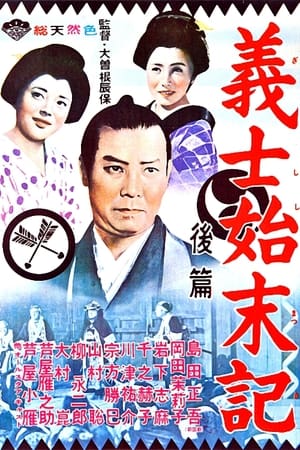
In the 15th year of the Genroku era (1688), the world praised the 47 ronin who avenged the death of their master Asano Takumi-no-kami. Shogun Tsunayoshi, who ruled at that time, experienced difficulties in what punishment to impose on the soldiers. As a result, it was decided to sentence them to seppuku (ritual suicide).
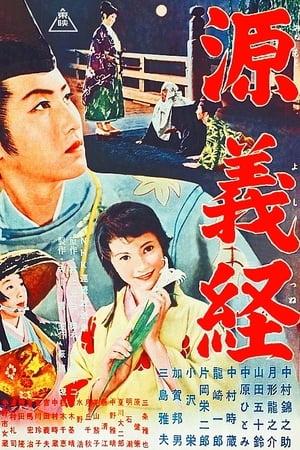
A historical scroll depicting the story of the tragic fate of the young samurai Minamoto Yoshitsune, based on the novel by Genzo Murakami. The action of the first part takes place in the late Heian period, when the Taira clan came to power, and Genji was oppressed. The great dream and ambitions of Genkuro Yoshitsune in his youth are depicted, he joins forces with his older brother Yoritomo to raise an army to defeat the Taira clan, and the second part depicts the fall of the clan, persecution and murder.
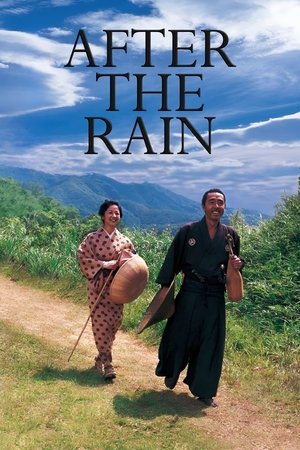
A group of travelers is stranded in a small country inn when the river floods during heavy rains. As the bad weather continues, tensions rise amongst the trapped travelers.
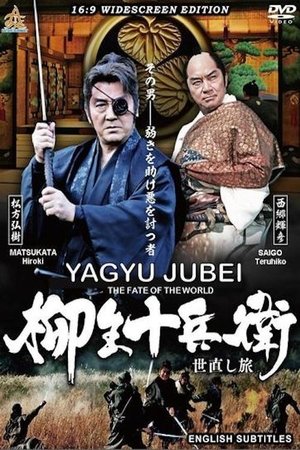
The fate of Tokugawa’s world hangs in the balance as Yagyu Jubei is sent on a mission to discover what happened to 10 of the shogun’s spies that never returned. Matsukata Hiroki, one of the last surviving members of the Golden Age of Japanese Cinema proves that he has not lost a step as he portrays an older and wiser Yagyu Jubei in a movie that brings the best of samurai filmmaking into the 21st century. Summoned from semi-retirement by Shogun Iemitsu, Jubei is asked to take to the road and investigate a clan rumored to be preparing explosives for a rebellion. With help from a beautiful female ninja they head into the Shirakawa domain where the fighting skills of both are tested time and again as they strive to destroy a conspiracy that could bring a new Warring States Era. In the 1960's Yagyu Jubei was the signature role of the great Konoe Jushiro, father of Matsukata Hiroki. This brings the character full circle.
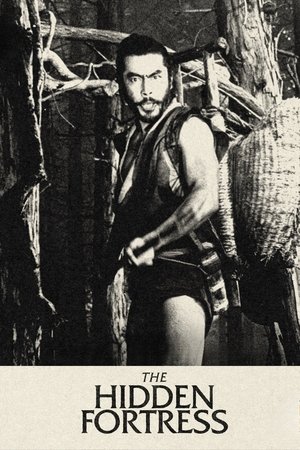
In feudal Japan, during a bloody war between clans, two cowardly and greedy peasants, soldiers of a defeated army, stumble upon a mysterious man who guides them to a fortress hidden in the mountains.
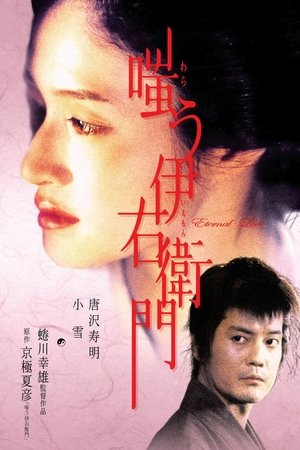
Having put down his sword and given up the will to fight, the masterless samurai Iemon lives in solitude while being haunted by his violent enigmatic past...
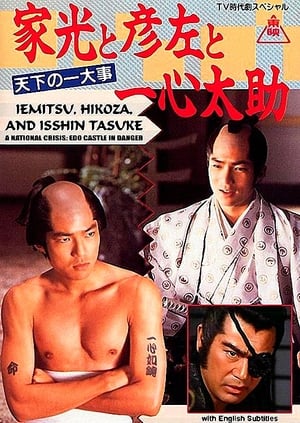
Yagyu Jubei, the finest swordsman in the land, is called upon to bare his blade to help Iemitsu keep his post. Meanwhile a fishmonger named Isshin Tasuke who bears an amazing resemblance to Shogun Iemitsu may be called upon to put his life on the line by acting as the Shogun's double. At the same time, the tragic story of Banzuiin Chobei and Mizuno Jurozaemon is unfolding.
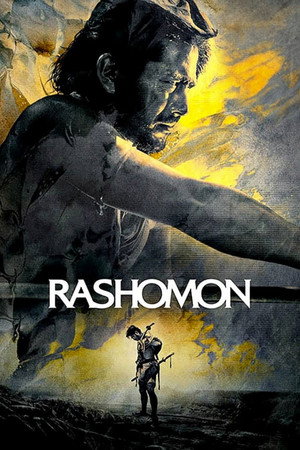
Four people recount different versions of the story of a man's murder and the rape of his wife.
A samurai answers a village's request for protection after he falls on hard times. The town needs protection from bandits, so the samurai gathers six others to help him teach the people how to defend themselves, and the villagers provide the soldiers with food.
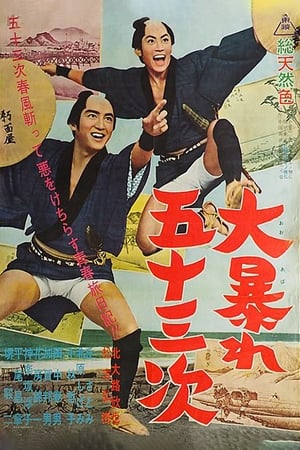
53 Stages of Action
A poor peasant, after years of scraping, becomes a rich and powerful Osaka merchant. Mizoguchi Kenji's final project; he died before completing it and directing duties turned over to Yoshimura Kozaburo.
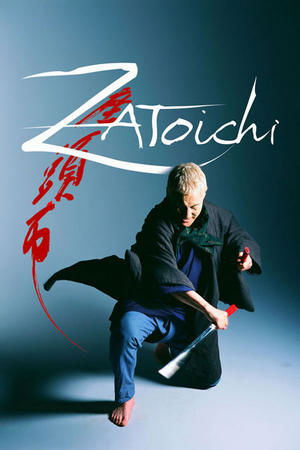
Blind traveler Zatoichi is a master swordsman and a masseur with a fondness for gambling on dice games. When he arrives in a village torn apart by warring gangs, he sets out to protect the townspeople.
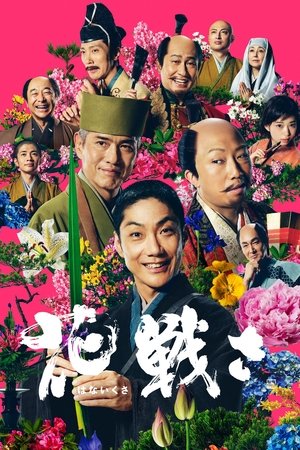
In the late 16th century, after the death of Nobunaga Oda, Hideyoshi Toyotomi takes power. The age of war is about to end, but Hideyoshi Toyotomi's rule makes life difficult for the people. Monk Senko Ikenobo is a master of flower arrangement. He prays for peace in the world and tries to give hope to the people with flower arrangement. He becomes good friends with Rikyu. Rikyu is a monk and a politician. He has the most profound influence on chanoyu. Rikyu is forced to commit hara-kiri by Hideyoshi Toyotomi’s order. Monk Senko Ikenobo challenges Hideyoshi Toyotomi.
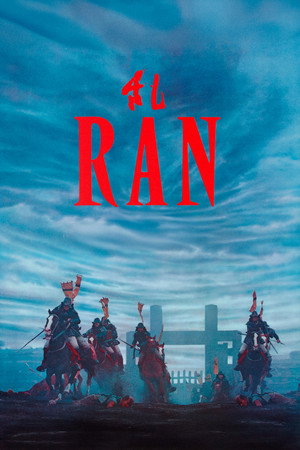
Shakespeare's King Lear is reimagined as a singular historical epic set in sixteenth-century Japan where an aging warlord divides his kingdom between his three sons.
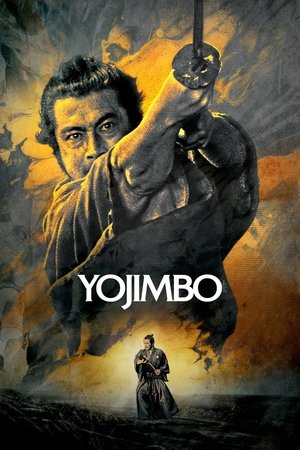
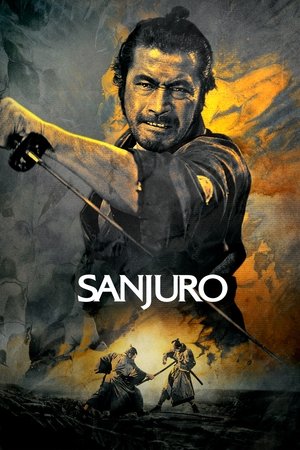
A nameless ronin, or samurai with no master, enters a small village in feudal Japan where two rival businessmen are struggling for control of the local gambling trade. Taking the name Sanjuro Kuwabatake, the ronin convinces both silk merchant Tazaemon and sake merchant Tokuemon to hire him as a personal bodyguard, then artfully sets in motion a full-scale gang war between the two ambitious and unscrupulous men.
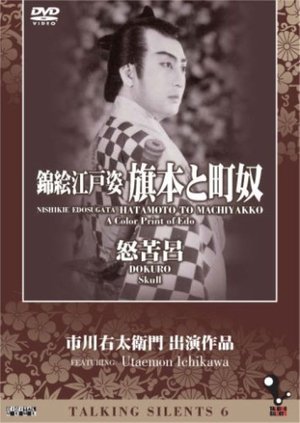
The Color Print of Edo is a 1939 black and white Japanese silent film with benshi accompaniment directed by Kazuo Mori. It is a cheerful period drama, sprinkled with comical scenes and tells the story of a loyal and handsome Edo period servant who fights to help his older brother marry the woman he loves. The star of this film, Utaemon Ichikawa, gained enormous popularity for his portrayal of a cheerful and chivalrous man.
In this companion piece and sequel to "Yojimbo," jaded samurai Sanjuro helps an idealistic group of young warriors weed out their clan's evil influences, and in the process turns their image of a proper samurai on its ear.
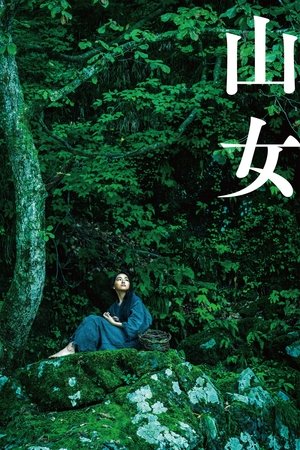
Late 18th century, Tohoku. An outcast girl, Rin lives in a village suffering from famine. She draws strength from Mt. Hayachine, where the spirits of humans ascend after passing.