Oak Tree: Nature's Greatest Survivor. In this landmark new BBC documentary, entomologist George McGavin takes us on a fascinating journey through a year in the life of a 400-year-old oak tree.
The Wild Defending Itself is a feature-length documentary (90 min) by Vincent Verzat, produced by Partager c'est Sympa. The film traces his path between militancy and naturalism, his search for a balance between combat and contemplation. Based on a personal and sensitive story, the film makes the link between wild animals and the struggles being waged throughout France against the destruction of their habitats. The Wild Defending Itself sets out a path for living with dignity and preparing for what lies ahead.
Takeda is a film about the universality of the human being seen thru the eyes of a Japanese painter that has adopted the Mexican culture.
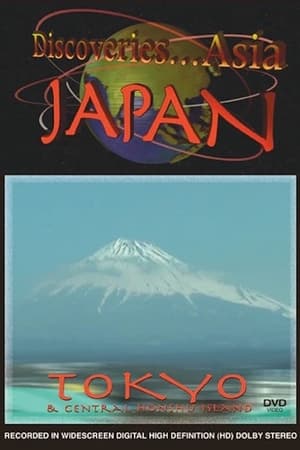
This Traveltalk visit to Japan starts with a look at the country's cherry blossom trees, tulips, and ubiquitous gardens. We then see the proper manner for preparing a woman's hair and wearing a kimono.
For more than 20 years, Maurice & Katia Krafft have traveled the world. From Iceland to Hawaii, from Africa to Indonesia, they are usually the first to reach the scene of an eruption. Join them as they risk their lives to document the birth of a volcano.
A journey into the hidden world of the Netherlands, beneath the water's surface, where extraordinary creatures inhabit a wondrous habitat. Thirty years ago, filming there would have been unthinkable: the polluted, murky waters were devoid of life. Now, the many efforts to protect the environment are paying off...
In September 1954, David Attenborough, cameraman Charles Lagus, Jack Lester and Alf Woods, both from the Zoological Society of London, set out for Sierra Leone. They spent three months intently surveying the landscapes of Sierra Leone in search of nature’s rarest animals. Although predominantly searching for Picathartes gymnocephalus (the White-necked Rockfowl) they hoped to take back to London a representative collection of the whole of animal life in this part of Africa.
A journey back through Dacia Maraini's and her trips around the world with her close friends cinema director Pier Paolo Pasolini and opera singer Maria Callas. An in-depth story of this fascinating woman's life. Maraini's memories come alive through personal photographs taken on the road as well as her own Super 8 films shot almost thirty years ago.
Cuba's enforced isolation has resulted in the unlikeliest of marine reserves: a huge, rambling archipelago known as Jardines de la Reina, or "Gardens of the Queen." Stretching around 140 miles along the southern coast of Cuba, it's one of the longest barrier reef systems in the world. Get an up-close look at Fidel Castro's diving playground, a forgotten ocean paradise unseen for half a century, and witness exotic species rarely seen elsewhere in the region. It's the lost jewel of the Caribbean, but how long can this pristine wilderness survive?
Although first glance reveals little more than stones and sand, the desert is alive. Witness moving rocks, spitting mud pots, gorgeous flowers and the never-ending battle for survival between desert creatures of every shape, size and description.
After many years of careful conservation, Banff and Jasper National Parks have become vast zoological gardens. Deer, moose, bear, big-horn sheep, birds and small animals that live above the treeline are natural subjects for the close-up camera, with a backdrop of snowy peaks.
Trees talk, know family ties and care for their young? Is this too fantastic to be true? German forester Peter Wohlleben and scientist Suzanne Simard have been observing and investigating the communication between trees over decades. And their findings are most astounding.
This film, three years in the making, The remote forests of Kalkalpen National Park in Austria, the largest area of wilderness in the European Alps, have been left untouched by humans for nearly a quarter of a century in order to return to their natural, primeval state. The landscape regenerates itself in dramatic cycles of growth and decay, and this bold hands-off method of conservation yields salient results: the lynx, absent from the area for 115 years, has returned.
Blue Whales: Return of the Giants 3D takes viewers on a journey of a lifetime to explore the world of the magnificent blue whale, a species rebounding from the brink of extinction. Following two scientific expeditions—one to find a missing population of blues off the exotic Seychelles Islands, the other to chronicle whale families in Mexico’s stunning Gulf of California—the film is an inspirational story that transforms our understanding of the largest animal ever to have lived.
Alaska... Here, in this vast and spectacularly beautiful land teeming with abundant wildlife, discover the "Spirit of the Wild." Experience it in the explosive calving of glaciers, the celestial fires of the Aurora Borealis. Witness it in the thundering stampede of caribou, the beauty of the polar bear and the stealthful, deadly hunt of the wolf pack.
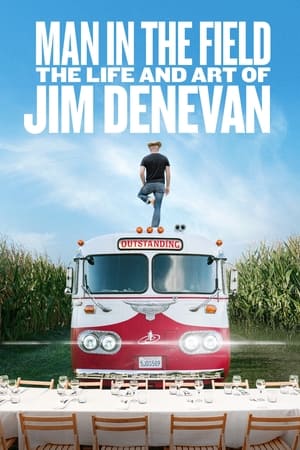
"A short documentary about one of my favorite people."
A story told with no words but with the power of sound and visuals of unspoiled Patagonia.
From polar bears in the arctic tundra to black bears in the Northern Rockies, you'll see some of the most spectacular footage ever shot of these enterprising omnivores. Catch salmon with a group of hungry grizzlies on the McNeil River in Alaska. Crawl inside a den with a mother black bear and her cubs. Learn about the challenges facing each of these species as their habitat diminishes.
This large format film explores the last great wilderness on earth. It takes you to the coldest, driest, windiest continent, Antarctica. The film explores the life in Antarctica, both for the animals that live their and the scientist that work there.
Explore the extraordinary hidden world of insects, where a leaf weighs more than a car, rain drops feel like exploding hand grenades and a blade of grass soars like a skyscraper. Shot on location in the Borneo rainforest, Bugs! brings the beautiful and dangerous universe of its tiny stars up close and personal with cutting-edge technology that magnifies them up to 250,000 times their normal size.