In 2061 CE, humanity's indiscriminate pollution of space has substantially hindered the development of space travel. In response, an international federation has designated the sun as a natural incinerator, federally establishing a treaty with the goal of first processing hazardous waste on Jupiter and forming the space environment defense force Cosmo Ecology. However, polluters evading surveillance networks continue to illegally dispose of radioactive waste directly into the sun. As a result, increased solar flare activity is on the verge of turning the Earth into a desert.
Times are changing. A mysterious red dust has brought disease and destruction. Only the sheep remain healthy. As they become the only source of food and clothing, humans treat them like gods. But times, they keep changing. A dystopian tale brought to life in stop motion.
A little girl catches floral patterns with a magic cloth and uses them to make her own pretty dresses. Every night, ants move her house from one field to the next. One day, a seed drops into her mouth and a young shoot sprouts from her navel.
Nine short videos that poetically introduce ecologically important themes: the travels of a drop of water, le un-loved, le magic root, the ladybird and the aphid, the mountain of wrapping paper, the hedgehog who was in love, 20 millimeters under the earth, and more...
Through a series of animated art boards depicting a decaying Venice, the film unfolds like a set of postcards, capturing the mythical city's final moments of fragility. Blending archival footage with contemporary observations, and anchored by the story of the 1902 collapse of St Mark's Campanile, Venezia Diorama invites us to reflect on a city slowly eroding, yet suspended in time.
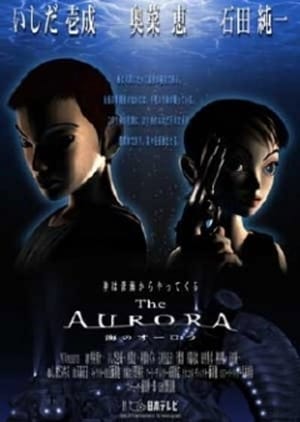
Deep-sea archeologist Hiroshi Ibuki is the member of the digging team working at the bottom of the sea hoping to uncover the origins of Earth's existence but instead uncovers a mysterious colony of bacteria which gives off light similar to the Aurora Borealis. The ancient bacteria, once revived, attempt to make the world habitable for themselves - a process that would bring Earth back to its early primal form, killing all current life in the process.
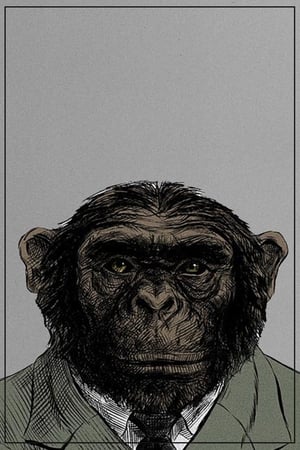
Based on the novel 'Evolution Man' by Roy Lewis, this tells the story about the first man - young Edward - to descend from apes. Edward is ejected by his tribe, but is very resourceful. He learns to walk, discovers fire, manages to hunt - and we follow him as he evolves. He has a generous nature, and search for true humanity - a world where we don't eat our fathers.
On an unknown planet, an old space farmer is working with his robot partner to move equipment around. From the outset, there is some obvious friction between the two characters, and a feeling of differing priorities. When the farmer makes an interesting discovery, will that clash of priorities push them into conflict with each other? What impact will the conflict have on the newly found object?
De Planeta
The main character of the film is a little boy named Marek, who from an enemy of nature becomes its devoted friend. Before this happens, however, fate plays quite a trick on him. At first, however, nothing foreshadows this. Marek arrives in the forest with a school trip. He quickly separates himself from the rest of the children, after which he gives vent to his hooligan fantasy. He destroys an anthill, cuts a tree with a knife, tries to catch a spider. When he fails, he starts chasing a butterfly. He doesn't know that under this figure hides the prince of white and black magic. Wanting to punish the unruly boy, the sorcerer reduces him to the size of an insect. Mark, reduced to the size of an insect, must learn to live in completely new conditions. This is by no means easy.
Lumber Slumber
After Homer accidentally pollutes the town's water supply, Springfield is encased in a gigantic dome by the EPA and the Simpsons are declared fugitives.
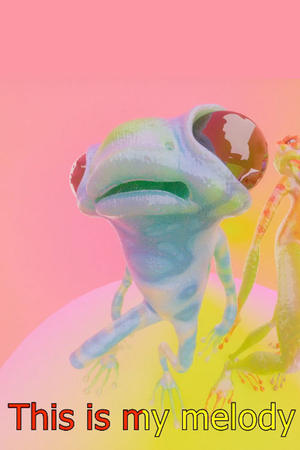
A choir of tropical frogs performs infectious pop in delightfully unsettling animation from Costa Rican-Canadian artist Bianca Shonee Arroyo-Kreimes. Riffing on karaoke companion videos and the swipe-n-scroll conventions of handheld media, she infuses candy-coloured digital animation with the spectre of ecological collapse.
Follow two ever-changing creatures as they flow from one life-form to another on a vivid journey of sound and light. Sonaria's visual language is simple and abstract, designed to suggest, while the sonic language is layered and immersive, designed to answer.
Propelled by Claude Cloutier’s signature drawing style and absurdist humour, this animated short offers an overview of the evolution of life on Earth from rock to human, with some surprising twists in between.
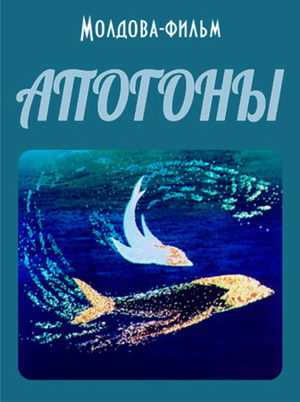
An ecological tale about that cardinal fish dying because of men poluting the sea Made by a nation that had the less devellopped animation industry of all soviet nations and none whatsoever port acces to the sea.
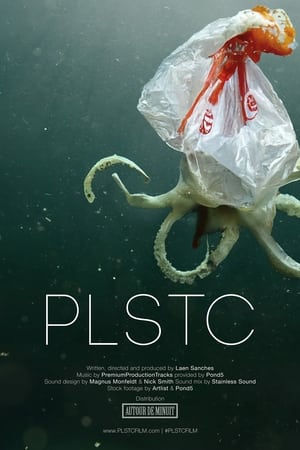
Welcome to the world of PLSTC, an undersea dystopia that submerges you in the disturbing reality of plastic pollution in our oceans. Through a series of graphically confronting AI-generated and hand-composited images of ocean creatures, this experimental animated film confronts you with the devastating consequences of our habits on marine life, and leaves you gasping for breath.
Fez-se Luz
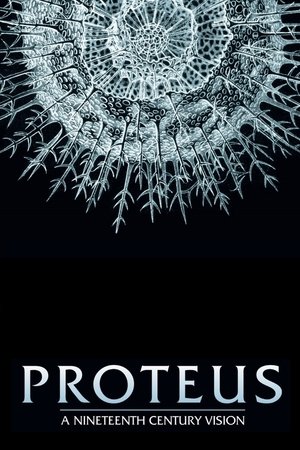
The animated documentary Proteus explores the nineteenth century's engagement with the undersea world through science, technology, painting, poetry and myth. The central figure of the film is biologist and artist Ernst Haeckel, who found in the depths of the sea an ecstatic and visionary fusion of science and art.
The story of the evolution of life on Earth in animated form.